








Introduction:When brewing pour over coffee, the grind size of the coffee grounds has a significant impact on flavor. If ground too coarse by mistake, it can easily lead to under-extraction and a flat-tasting cup. This article will thoroughly analyze the causes and effects of coarse grinds, and provide multiple remedies—including regrinding, adjusting water temperature and brew time. Using Huakui 8.0 as an example, we’ll share a complete set of practical parameters and steps to help you easily rescue a mis-extracted brew and achieve a clean, full-bodied cup with great flavor.
During the pour over process, grind size is one of the key factors affecting extraction efficiency. It not only determines the surface area of the coffee grounds in contact with hot water, but also directly controls how quickly water passes through the coffee bed. Once the grind is too coarse, water flows through too quickly, which can lead to under-extraction, resulting in thin or even overly sour flavors. What should you do if you accidentally grind your coffee beans too coarse? In fact, by mastering a few practical adjustment techniques, you can still brew a well-balanced, flavorful cup.

First, let’s understand why grind size is so important. In drip-style pour over brewing, a finer grind provides a larger surface area, allowing hot water to more fully extract aromatic compounds from the coffee. A coarser grind, on the other hand, means water flows through faster, shortening extraction time and preventing sufficient release of flavor compounds. Therefore, when you find that the grind deviates from the target—such as being coarser than intended—you must adjust other parameters to ensure overall extraction balance.
The most common scenario is forgetting to adjust the grinder setting, resulting in beans that were meant to be finely ground ending up as coarse particles. This kind of “slip of the hand” is not uncommon in daily brewing, especially for those who are new to pour over. Therefore, it’s recommended to always double-check the grinder setting before starting to grind, in order to avoid unnecessary mistakes.
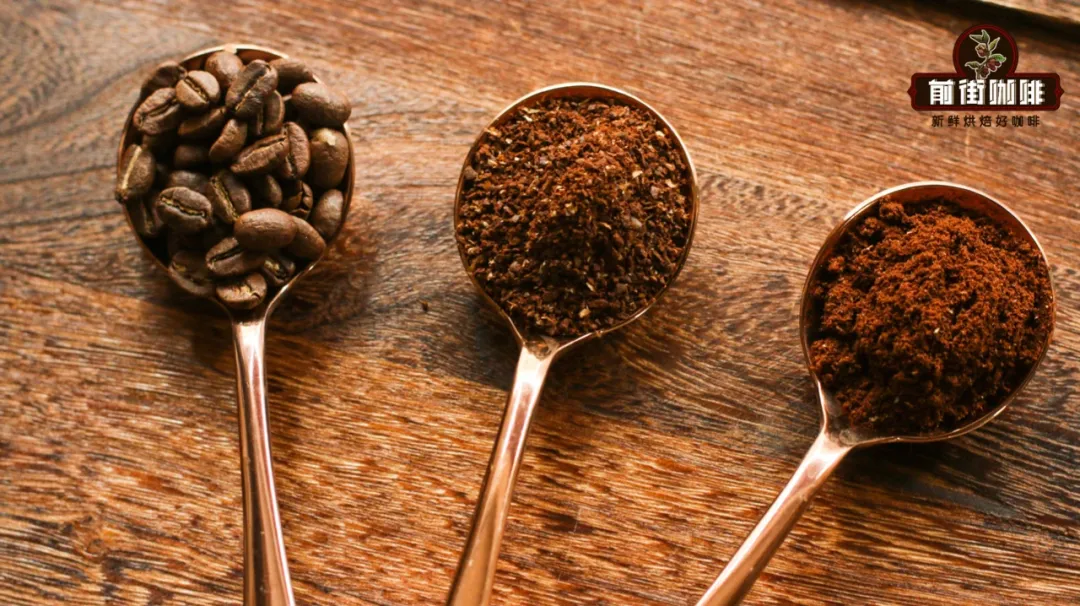
If you’ve already ground the coffee too coarse, what are some viable remedies? Generally speaking, these methods can be divided into two categories: attempting a second grind, or adjusting other brew parameters. For users with hand grinders, a second grind is a direct and effective option. By placing the coarse grounds back into the grinder and slightly adjusting the setting for a second pass, you can bring the grind closer to the target fineness. However, be aware that a second grind may produce more fine particles, which can affect filtration speed and taste complexity. Moreover, this method is more suitable for hand grinders—if you’re using an electric grinder or pre-ground coffee from a shop, this option isn’t available.
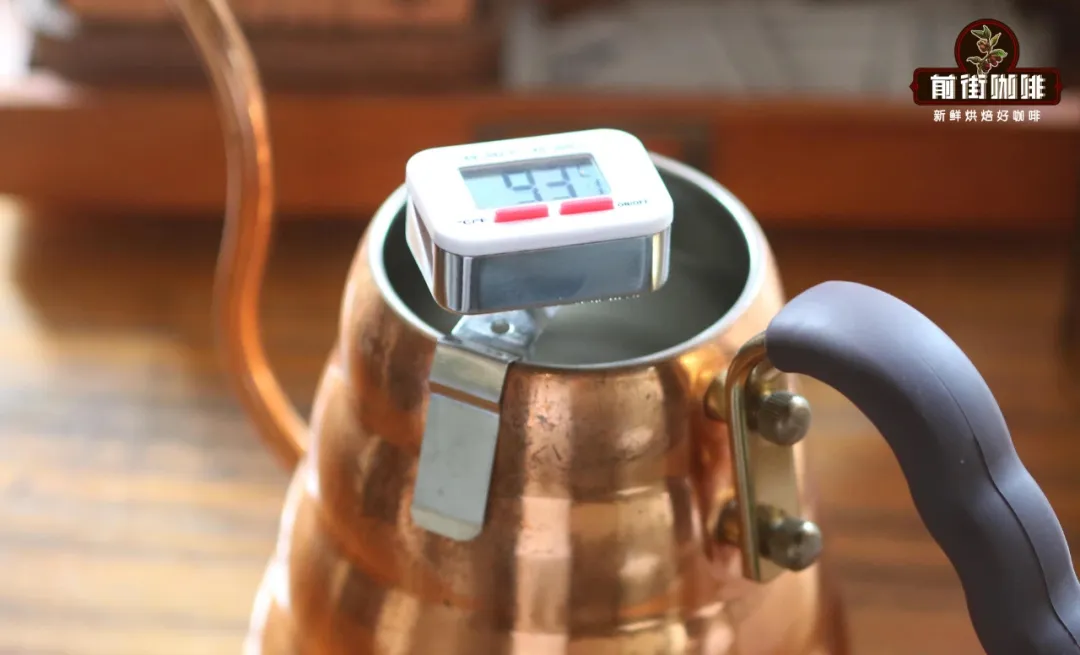
For those using pre-ground coffee or without access to a grinder, adjusting brew parameters becomes the primary remedy. The two most commonly adjusted parameters are water temperature and brew time. Increasing water temperature helps enhance extraction efficiency. Generally speaking, if the grind is coarser than intended, you can raise the water temperature by 2°C to 3°C. For example, if the original setting was 92°C, you can increase it to 94°C or 95°C—but be careful not to adjust it too high at once, to avoid over-extraction, which could bring out bitterness or off-flavors.
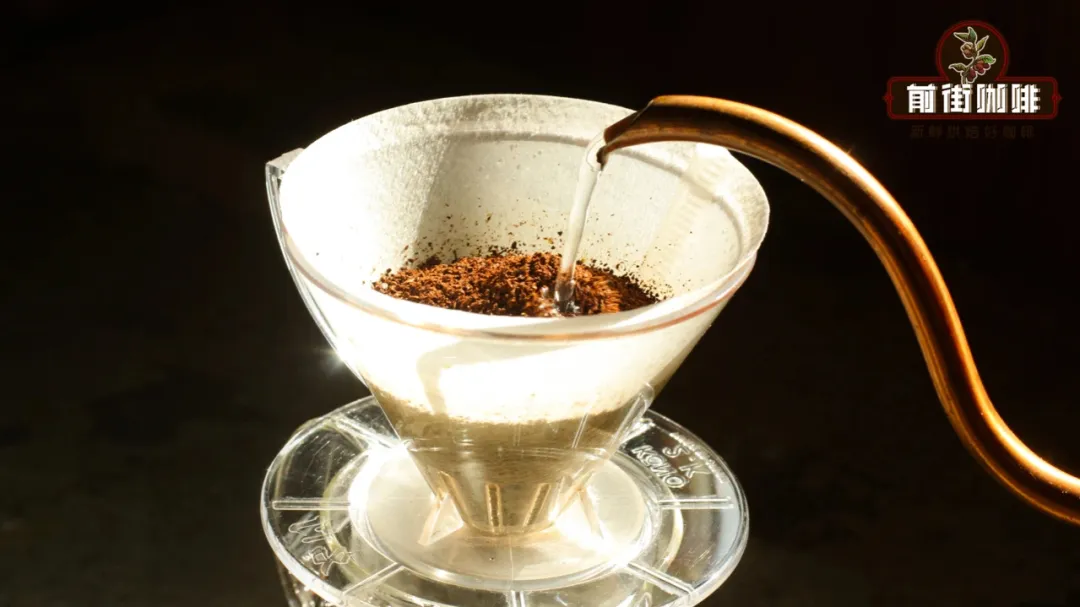
Another important adjustment is extending the brew time. This can be achieved by using a slower-flowing filter cone, or by increasing the number of pouring stages and the distribution of total water volume. For instance, using a filter like the KONO or Infinity Cup—both of which have smaller outlet holes and fewer ribs—can naturally slow down the water flow, thereby extending the contact time between water and coffee grounds. Additionally, increasing the number of pouring stages—for example, from three to four—can also effectively prolong the overall brew time, giving the coffee grounds more opportunity to release flavor compounds.
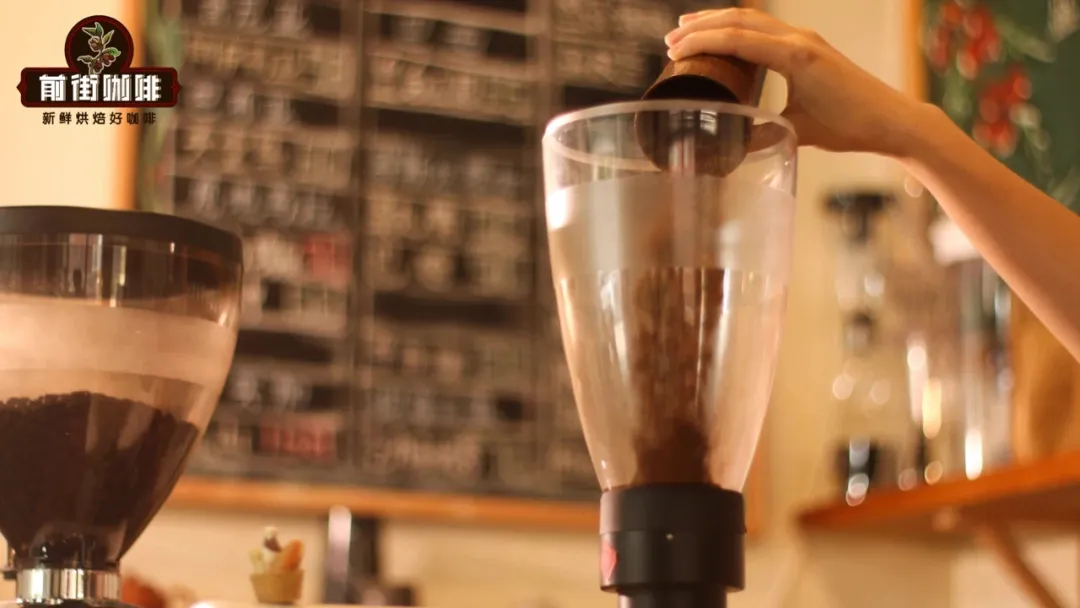
To illustrate more concretely, we’ll use a popular light-roasted Ethiopian bean—Gedeo Zone Huakui 8.0—as an example. We’ll show how, when the grind is accidentally too coarse, you can still brew a coffee with full flavor and a clean mouthfeel through fine-tuned parameters.
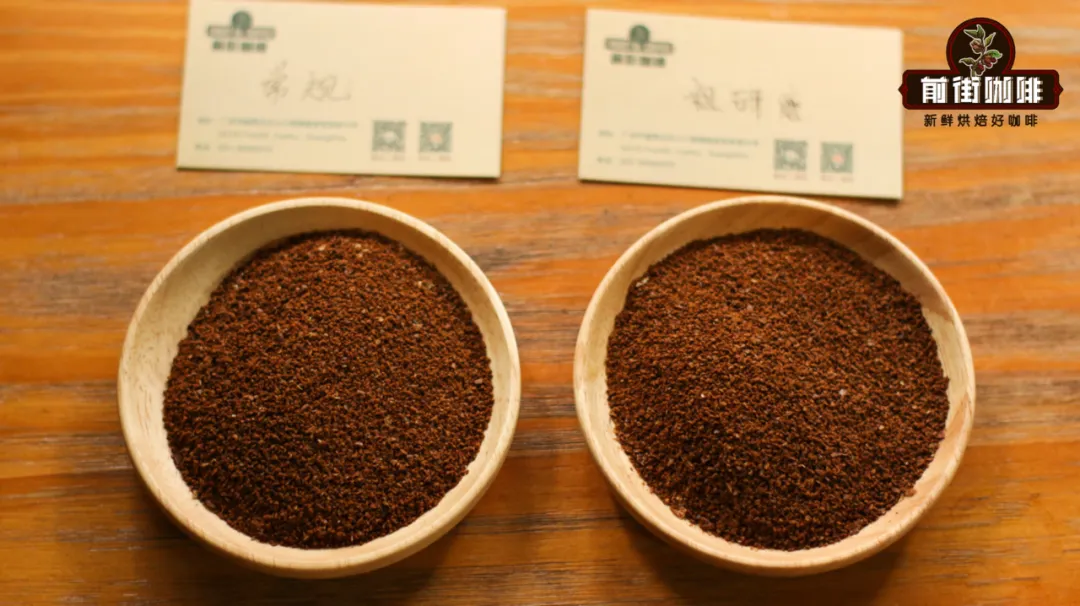
Under normal circumstances, a certain coffee team uses the following parameters: 15 grams of coffee, using an Ek43 grinder at setting 10 (about 80% passing through a #20 sieve), water temperature 92°C, brew ratio 1:15, paired with a V60 filter cone, using a three-stage pour, with a total brew time of about 2 minutes. But suppose, due to an operational error, the actual grind is set to Ek43 setting 11 (about 70–75% passing through a #20 sieve)—noticeably coarser. In this case, you can make the following adjustments:
Raise the water temperature to 94°C, while keeping the total brew time within 2 minutes 05 seconds to 2 minutes 30 seconds, still using the V60 filter cone, and maintaining the 1:15 brew ratio.

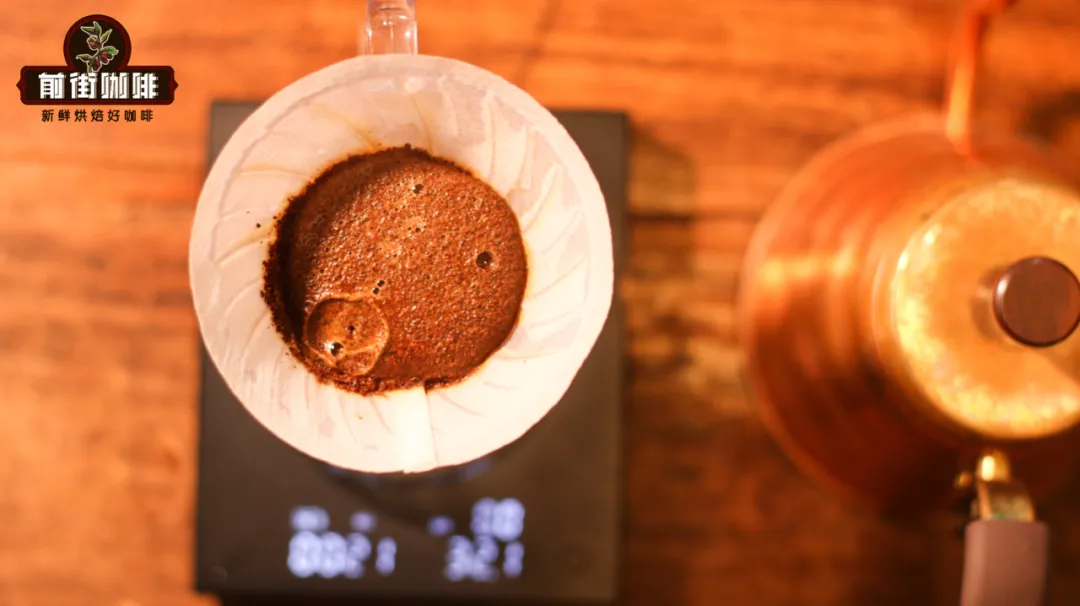
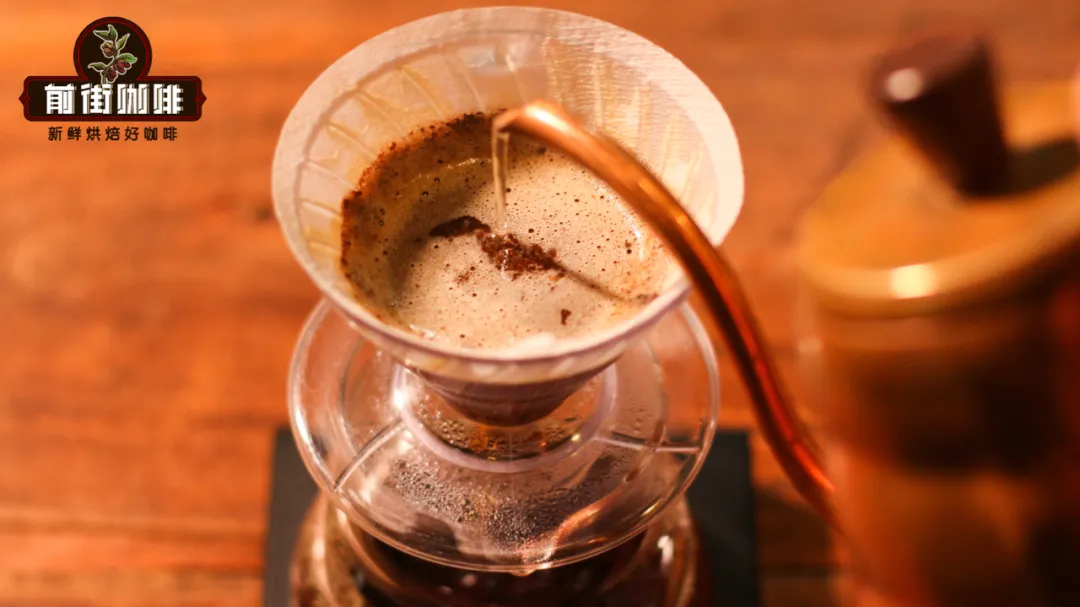
The specific brewing steps are as follows: First, pour 30 ml of hot water (about twice the weight of the coffee) for the bloom, and let it sit for about 30 seconds. Then, pour 100 ml of hot water using a small stream in a wide circular motion. Once it has fully drained, pour another 50 ml, continuing with a small stream and wide circular motion. Next, pour 45 ml, this time using a small stream and a narrow circular motion. Finally, let it sit until all the water has fully drained before removing the filter cone, completing the extraction process.
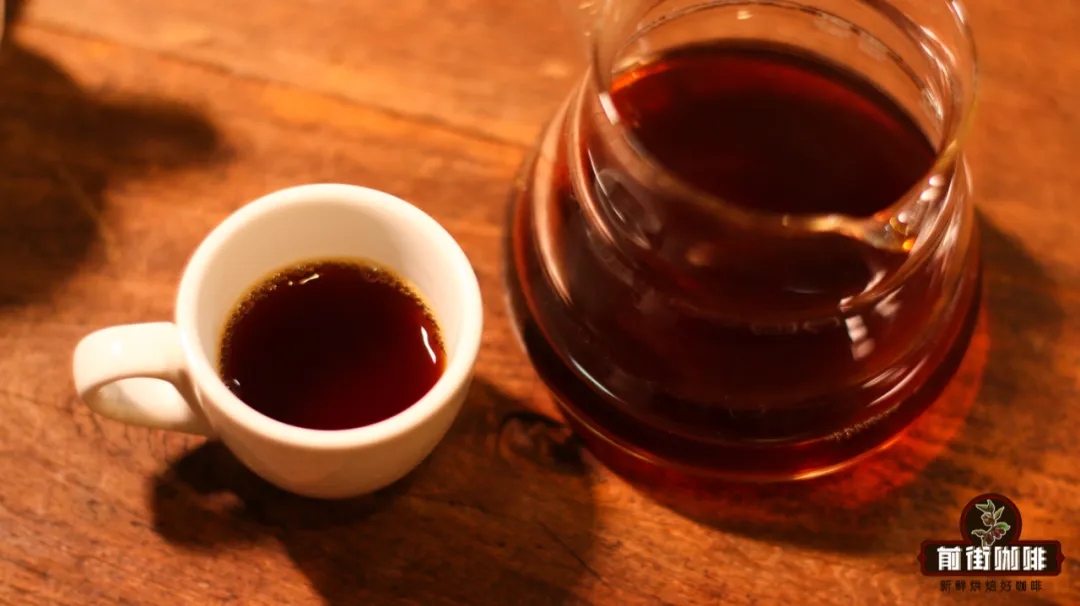
With these adjusted parameters, the actual total brew time is about 2 minutes and 15 seconds. When tasting, Huakui 8.0’s signature strawberry and citrus aromas are still bright, the creamy mouthfeel remains full, and the overall flavor is balanced, with a clean and long-lasting aftertaste. Using a concentration meter, its extraction yield is approximately 20.6%, which falls within a very well-extracted range—proving that even with a slightly coarse grind, proper parameter adjustments can still achieve an ideal extraction result.
In summary, grinding your coffee too coarse isn’t a lost cause. Whether through regrinding, adjusting water temperature, optimizing pour technique, or extending brew time, you can compensate to some extent for the loss in extraction efficiency caused by improper grind size. The key is to flexibly apply these parameter techniques based on your tools and the actual state of the coffee grounds, finding the most suitable combination for the situation at hand.
Next time you’re pour over brewing and accidentally grind a bit too coarse, feel free to refer to the adjustment strategies in this article. Perhaps just fine-tuning a few parameters can restore your coffee’s full flavor complexity and clean profile. Don’t let a small grind setting mistake ruin a good cup—make adjustments and you might just brew something truly impressive.
The above content is compiled by CoffeeHunters, a coffee news website.


