







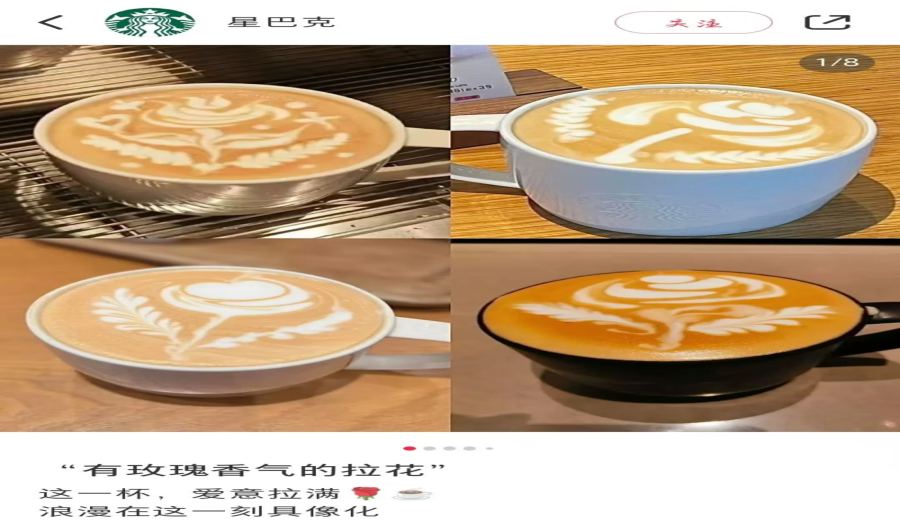
Introduction:During Valentine’s Day, Starbucks launched a limited-edition drink series called "Rose 20," showcasing exquisite rose latte art in its official promotions that generated high expectations. However, the actual drinks served at some stores turned out to be far from the advertised images. It turns out this was due to Starbucks’ internal "Rose Certification" skills assessment, which has put significant pressure on many baristas. This article takes an in-depth look at the assessment content, the challenges and emotional journeys baristas face during practice, and also supplements latte art techniques and common pitfalls to help you understand the story behind a perfectly poured rose design.
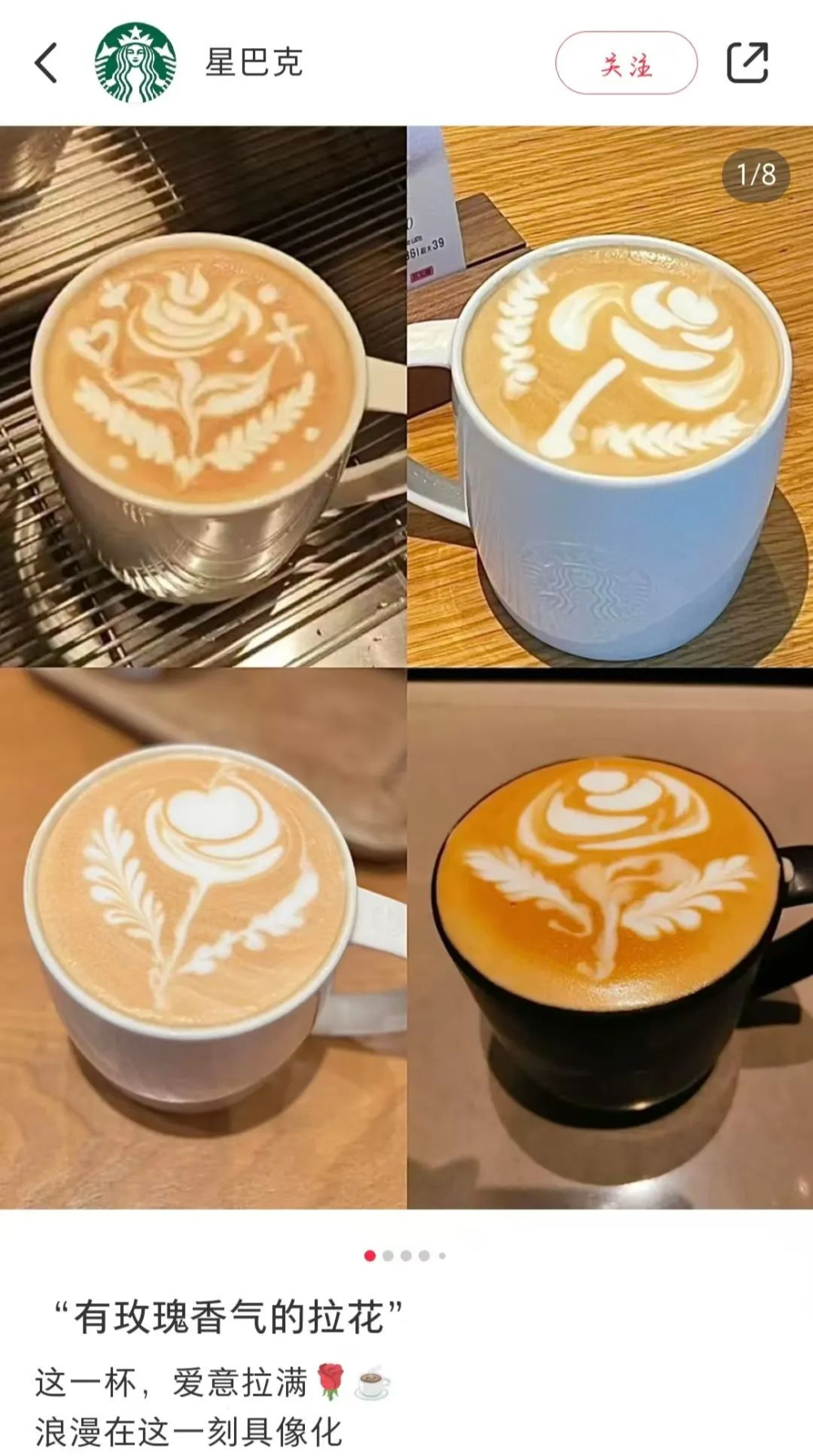
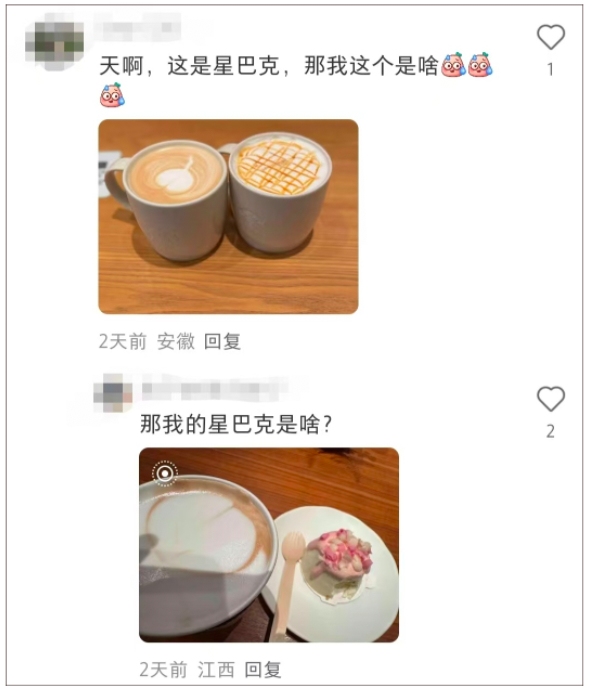
Every Valentine’s Day, Starbucks releases limited-time holiday drinks, and this year was no exception with its focus on the "Rose 20 Series." The brand shared a series of beautifully designed rose-themed latte art images through official channels, successfully generating buzz and attracting a large number of customers eager to try them. However, many patrons were left disappointed when the elegant rose latte art they had hoped for turned out to be unrecognizable abstract patterns.
In reality, these designs stem from an internal skills assessment rolled out by Starbucks for all baristas — the "Rose Certification." This assessment requires employees to skillfully produce rose latte art that meets specified standards and to pass system certification within a set timeframe. However, due to the relatively high technical difficulty of rose latte art, many baristas have repeatedly struggled during practice.
It is understood that many baristas began practicing early in the year using the store’s "Big Buffalo" milk pitchers, sharing their progress on social media platforms and encouraging one another. Yet, the learning curve varies greatly among individuals. Some colleagues managed to grasp the technique after just a few tries, not only passing the certification smoothly but also being able to guide other coworkers. However, there are also many who, despite repeatedly watching tutorial videos, still encounter numerous issues during actual practice — often producing designs jokingly referred to as "four-legged animals," even making themselves laugh.
One newly hired barista, with less than a month on the job, shared that during a surprise inspection by the regional manager, they were asked to pour a rose latte art on the spot — only to produce a completely distorted "abstract rose." The atmosphere instantly became tense, and the store manager was quite displeased. For these beginners, jumping straight from basic shapes like dots and hearts to rose designs in such a short time is truly challenging.
Despite the difficulties, most baristas chose to persevere in practice and ultimately managed to complete the "Rose Certification" before the deadline, earning system approval. However, some employees, after multiple failed attempts to simplify the rose bud design and still unable to form proper petals, opted to give up pushing too hard. Instead, they searched online for others’ practice photos to temporarily meet the assessment requirements — anything to have "a picture as proof."
Many Starbucks employees admit that while rose latte art can enhance the overall sense of ceremony of Valentine’s drinks and help customers feel the festive mood, for beginners with weak latte art foundations, it is indeed somewhat demanding for Starbucks to skip basic patterns like big white hearts or tulips and jump straight to rose designs. Especially since rose latte art places very high demands on the fineness of milk foam, control of pouring speed, and latte art angles — something beginners often find hard to master all at once.
As Valentine’s Day passed and the romantic atmosphere gradually faded, baristas who hadn’t yet mastered the rose design breathed a sigh of relief. They said that although failing to meet the goal this time left some customers disappointed, they plan to continue practicing during quieter store hours in the future, hoping to stably produce a vivid and lifelike rose latte art on future occasions like Qixi Festival or other holidays, regaining customer trust and expectations.
For coffee enthusiasts wanting to learn latte art, it is recommended to start with mastering the basics of milk frothing — ensuring the foam is fine, even, and the pouring flow is stable — then gradually try entry-level patterns like hearts or leaves, before finally taking on the challenge of rose latte art. Remember, patience and repeated practice are the keys to crafting a beautiful latte art drink.
The above content is compiled by CoffeeHunters, a coffee news website.


