







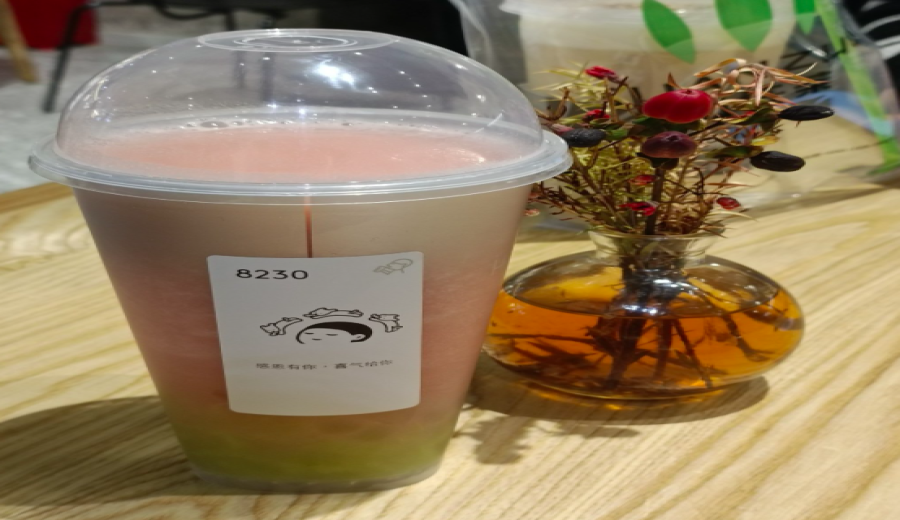
Introduction:While consumers are enchanted by the delightful flavors of fresh fruit teas and enjoy taking photos for social media, the behind-the-scenes staff at bubble tea shops are shouldering heavy manual labor. From deseeding passion fruits to juicing guavas, the repetitive motions can easily lead to occupational diseases such as periarthritis of the shoulder and tendon sheath inflammation. This article takes an in-depth look at the production process behind a cup of fruit tea, explores the real labor intensity and health challenges faced by employees, and provides a comprehensive overview of the current state of the industry.
Last spring, Heytea’s guava series of fruit teas won the hearts of many consumers with their refreshing taste. However, as the season ended, the series was temporarily taken off the menu, leaving many fans disappointed. It wasn’t until Valentine’s Day this year, amid the eager anticipation of fans, that this beloved guava series finally made its comeback. The newly launched "Refreshing Guava Lift" quickly became a hot topic on social media platforms, with store orders flooding in, showcasing its immense popularity.
Yet, while customers were busy taking photos and sharing their moments online, the kitchen staff inside the stores were hard at work processing large quantities of fresh guavas. From washing and cutting to juicing, and then manually squeezing the pulp and deseeding the green grapes, every step relies on repetitive manual labor, causing many employees great discomfort—even leading to occupational health issues such as periarthritis of the shoulder, tendon sheath inflammation, and hand allergies. A seemingly simple fruit tea actually involves a highly challenging production process.
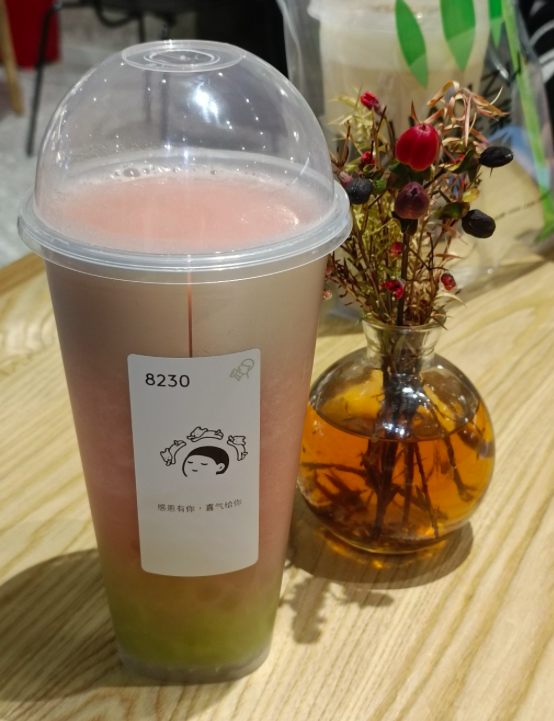
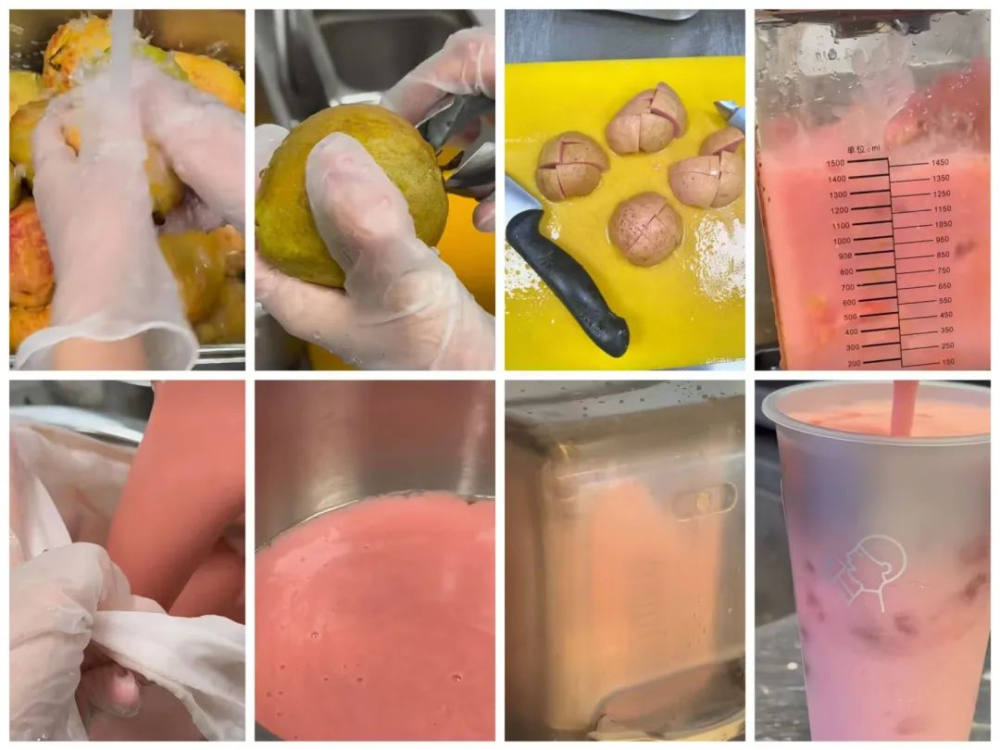
From online videos showing the daily routines of shop staff, the preparation process for the popular drink "Refreshing Guava Lift" may seem not overly complicated: wash the red-hearted guava, trim off the top and bottom, cut it into pieces, put it into a juicer to blend, then mix it with ice to make a slush, and finally pour it into a cup pre-filled with toppings to complete the drink. But in reality, producing that one cup of pink, enticing fruit tea on screen requires a significant amount of physical effort and time.
Staff revealed that after juicing the guava, it still needs to be placed in a filter bag and squeezed by hand with force to extract the clear juice. If the store is not equipped with an automatic peeling machine, the green grapes used as the base of the drink must be peeled one by one by hand—a process that is not only time-consuming but also extremely laborious. A student who once worked part-time at Heytea shared that every day in the preparation area, they were continuously peeling grapes, cutting mangoes, handling green grapes, along with continuously squeezing apple and guava juice. Though their right arm gained some slight muscle, the constant strain led to periarthritis of the shoulder, which now causes pain whenever they exert force.
Such experiences have resonated with many in the industry. One employee admitted, "I feel like I’m about to get tendon sheath inflammation from all this peeling." Another said, "Especially during closing when we clean up, my hands are so sore." Others complained of "hand cramps from peeling grapes," or "feeling weak after just a little squeezing." In addition to upper limb strain, many staff also suffer from hand allergies due to prolonged exposure to disinfectants, or even get cuts from the sharp edges of cup rims—making the overall working environment rife with potential occupational hazards.
These situations reflect that although many tea beverage brands emphasize using freshly cut fruits, they have not proportionally increased their backend staffing to handle the large volume and tedious preparatory work. The daily influx of fresh fruits—such as guavas, green grapes, and mangoes—all require manual processing by shop employees, resulting in generally excessive workloads for the staff.
Many industry insiders say that due to long-term repetitive labor, many people develop occupational diseases such as hand skin allergies, hand sores, periarthritis of the shoulder, and tendon sheath inflammation, with severe cases even requiring medical treatment. A young employee joked self-deprecatingly, "I thought working part-time would earn me some pocket money, but I ended up putting on pain-relief patches earlier than my parents did, and I haven’t even officially entered the workforce yet."
Industry observers point out that while consumers’ pursuit of “real ingredients” has improved the quality and appeal of beverages, it has also placed higher demands on the logistical processing capabilities of tea shops. If brands fail to appropriately adjust their staffing and operational processes, the health of employees and their working environments will continue to face challenges. For young people aspiring to enter the tea beverage industry, understanding these behind-the-scenes truths will help them make more informed career choices.
The above content is compiled by CoffeeHunters, a coffee news website.


