







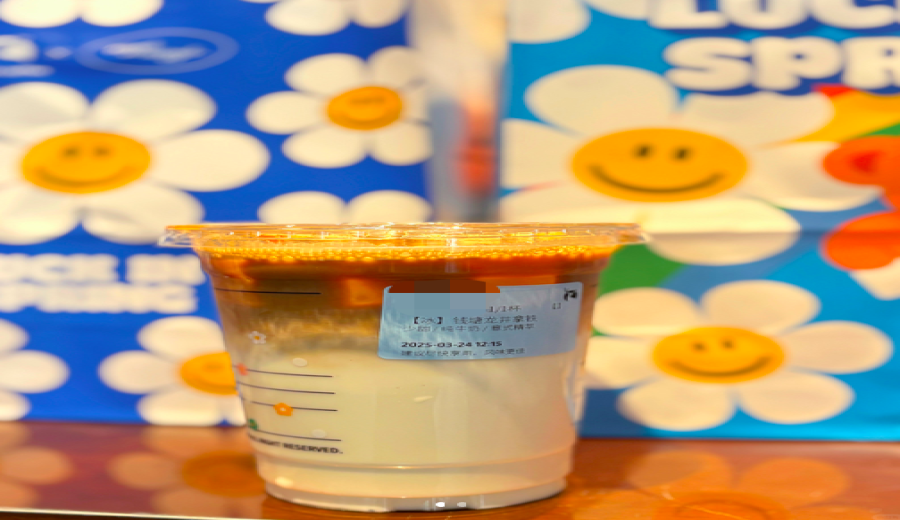
Introduction:Luckin Coffee has launched a seasonal limited-edition drink, the "Qiantang Longjing Latte," inspired by the spring tea of Hangzhou’s Qiantang region. The brand aims to continue the market momentum seen in its previous tea-coffee series such as jasmine and Biluochun. However, this new product has drawn criticism from many consumers due to its indistinct tea flavor and poor flavor integration. This article will delve into its preparation method, user feedback, and compare it with other tea-coffee products to help readers understand its pros, cons, and market performance.
Luckin Coffee recently introduced the "Qiantang Longjing Latte" as part of its spring limited-edition offerings. Inspired by the spring tea of Hangzhou’s Qiantang area, the product seeks to blend the aroma of tea with the flavors of coffee to create an innovative beverage with local characteristics. Upon its release, the drink garnered considerable attention, but also quickly sparked heated discussions among consumer communities due to issues such as “insufficient tea flavor” and “poor taste.”
Luckin’s past tea-coffee series, such as the Jasmine Flower Latte and Biluochun Spring Latte, were well received by the market for their unique fusion of tea and coffee flavors. Some seasonal items even became nostalgic favorites for many customers. As a result, the launch of the Qiantang Longjing Latte has generated high expectations among tea-coffee enthusiasts, who hoped to once again enjoy the perfect harmony of tea and coffee flavors.
According to publicly available brand information and the preparation process shared by staff, the Qiantang Longjing Latte is primarily made with pre-brewed Longjing tea, mixed with fresh milk, syrup, and espresso concentrate. The overall recipe sounds similar to previous tea-coffee products, but in actual tasting experience, it has left many consumers disappointed.
Many consumers have noted on social platforms that the Longjing tea aroma in this new drink is almost imperceptible. What they mainly taste is a combination of coffee and milk, with the tea flavor seemingly “absent.” Some have commented directly: “You can’t taste any Longjing at all, it’s just like a regular latte,” “The tea flavor is too light—I thought the barista forgot to add the tea base,” “The taste is too one-dimensional, far from the expected wonderful blend of tea and coffee.”
Some loyal users further pointed out that compared to Luckin’s previously successful tea-coffee series—such as the Jasmine Flower Latte, which offered a clear and identifiable floral tea aroma balanced with coffee—the Qiantang Longjing Latte not only has a weak tea flavor but also lacks harmony in flavor integration. One review mentioned: “The bitterness of the Longjing and the bitterness of the coffee stack up, making the overall taste heavy and even leaving an unpleasant aftertaste,” “Some people say it tastes like seaweed or betel nut—which is an exaggeration—but it does bring to mind unpleasant lingering flavors.”
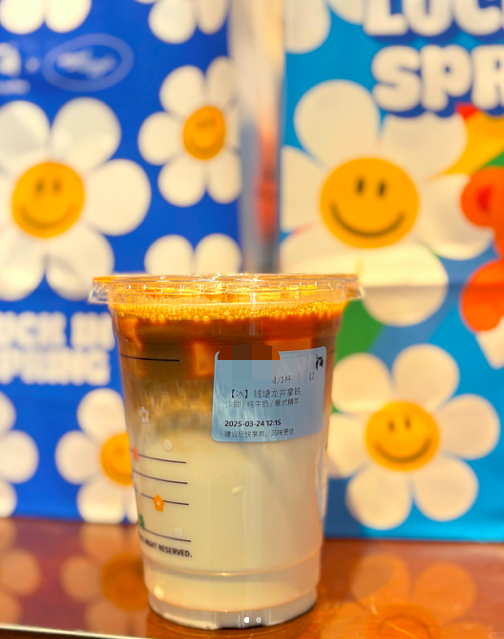
Some consumers who had previously held high expectations for Luckin’s tea-coffee series expressed disappointment with this new product, and even began to question the brand’s direction in innovation. They believe that rather than continuously launching new products with underwhelming flavors, the brand should consider bringing back previously popular classic items to the permanent menu to better satisfy the taste preferences of most customers.
In terms of taste details, many users also mentioned that if the brand hopes to successfully develop tea-coffee products, it should pay more attention to the brewing methods and concentration control of the tea. For example,the recommended brewing time for Longjing tea is within 1–2 minutes, with water temperature ideally between 80–85°C, in order to fully release the distinctive bean aroma and freshness of Longjing without having its flavors completely overwhelmed by the boldness of the coffee. In addition, the ratio of tea to coffee is crucial; it is generally recommended that the tea base accounts for at least 20% or more of the overall drink to ensure the tea flavor is not masked.
Overall, based on market feedback, while the Qiantang Longjing Latte conceptually continues the consistent approach of Luckin’s tea-coffee series, there is still significant room for improvement in its actual execution. For consumers, this experience also serves as a reminder: when selecting tea-coffee products, it’s worth paying closer attention to details such as the type of tea, brewing method, and proportions to find a tea-infused coffee that truly suits your taste.
The above content is compiled by CoffeeHunters, a coffee news website.


