







Introduction:Xiang Piao Piao recently launched a high-end "pre-Qingming premium Longjing brewed light milk tea" priced at 16 yuan per single cup, with a box of nine cups selling for 98 yuan, sparking widespread market discussion. Compared to the brand’s previous affordable milk teas priced between three to six yuan, this new product sees a price surge of nearly five times. Is this high-priced milk tea that incorporates pre-Qingming Longjing truly worth it? This article delves into the selection of tea leaves, market feedback, and consumers’ real experiences to help you decide whether it’s worth trying.
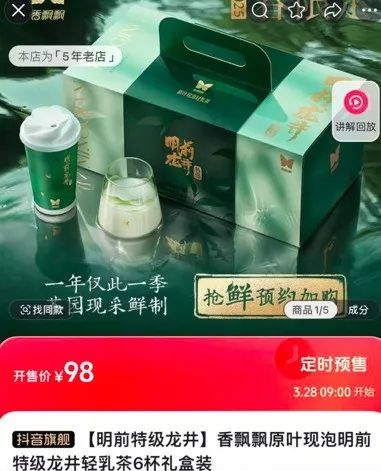
Xiang Piao Piao, a well-known ready-to-drink milk tea brand in China, has recently introduced a premium-positioned brewed light milk tea, triggering extensive market discussion. This new product, named "pre-Qingming premium Longjing brewed light milk tea," is priced at 16 yuan per single cup, with a package of nine cups costing 98 yuan—still around 16 yuan per cup—and represents an increase of nearly five times compared to the brand’s previous focus on affordable milk teas priced between three to six yuan.
The biggest highlight of this milk tea is the use of "pre-Qingming premium Longjing" tea leaves. The so-called "pre-Qingming Longjing" refers to West Lake Longjing harvested and produced before the Qingming Festival, one of China’s top ten famous teas and widely recognized as high-quality spring tea. The harvesting period for these leaves is short and the yield is limited, hence the price is usually relatively high. According to market conditions, the price of pre-Qingming premium Longjing often ranges in the thousands of yuan per jin. Calculating the cost of tea leaves per single cup—if using 2.5 grams—it could indeed be as high as around 12 yuan.

Online discussions about this high-priced milk tea are divided. Some netizens familiar with the tea market believe that if genuine pre-Qingming premium Longjing is used, the 16-yuan pricing is reasonable, with some even saying that getting such high-grade tea at this price is quite a good deal. However, many consumers question whether blending premium pre-Qingming Longjing into a milk tea can truly showcase the original flavor of the tea, with some even stating that doing so is like "using five-star ingredients for street food"—a bit of a waste.
Additionally, many consumers also pointed out that even if the tea leaves themselves are of high quality, when mixed with milk, syrups, and other ingredients, the tea aroma can easily be masked, and it may not be possible to truly appreciate the unique flavor of pre-Qingming Longjing. Especially compared to pure freshly brewed tea, the flavoring of milk tea often diminishes the delicate layers of the tea leaves. Therefore, some reviews suggest that such a combination is "a bit of a waste of good tea."
In response to external questions about the quality of the tea leaves, Xiang Piao Piao’s official customer service stated that each tea package comes with a QR code that consumers can scan to verify the source and related information of the tea leaves, aiming to increase product transparency and reduce consumer concerns.But even with a verification mechanism, many consumers still feel that the convenience of brewing milk tea at home is far less than simply buying a freshly made milk tea from a chain beverage shop.
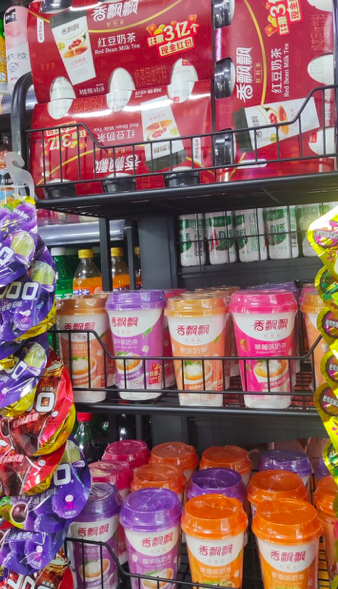
Some milk tea enthusiasts have also shared their actual experiences, saying that while they are curious about this new product that combines traditional famous tea with modern milk tea, the idea of having to boil water, brew the tea bag, and then add milk and sugar themselves seems relatively cumbersome. It’s not as convenient or effortless as just buying a freshly prepared milk tea at a shop. Especially for busy office workers or students, spending 16 yuan on a product that still requires DIY has limited appeal.
Taking overall market feedback and practical considerations into account, Xiang Piao Piao’s "pre-Qingming premium Longjing brewed light milk tea" is undoubtedly a bold market test. On one hand, it attempts to introduce high-end tea leaves into the mass consumption market; on the other hand, it challenges consumers’ value expectations for ready-to-drink milk tea. Whether it’s an innovative move in brand upgrading or an experiment where price and experience don’t match remains to be further tested by the market.
For Taiwanese consumers, if you want to try this product, in addition to paying attention to the actual quality of the tea leaves, it is also recommended to evaluate your own drinking habits and convenience needs before deciding whether it’s worth spending 16 yuan on a light milk tea that requires self-brewing. After all, the value of a good cup of tea lies not only in the cost of the ingredients, but also in the overall experience during consumption.
The above content is compiled by CoffeeHunters, a coffee news website.


