







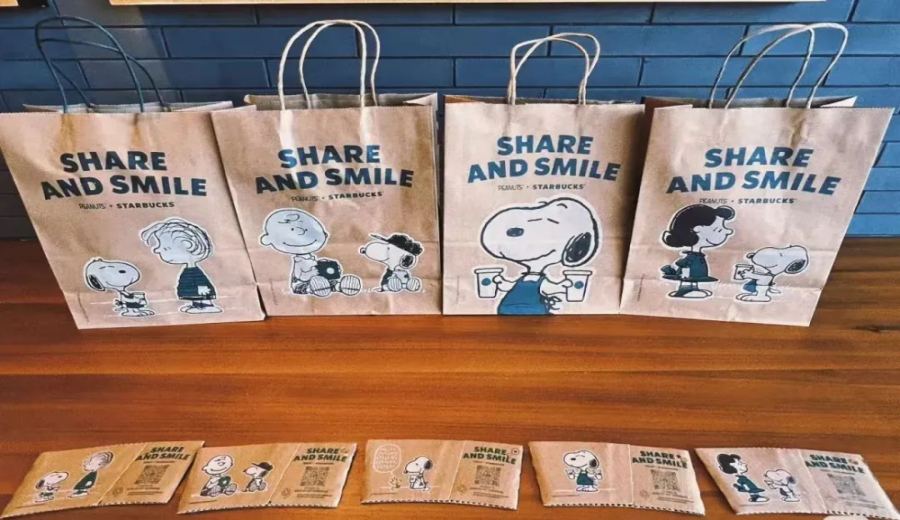
Introduction:Starbucks and the classic comic character Snoopy launched their first-ever collaboration in mainland China, but due to an unexpectedly early launch, the distribution of limited-edition packaging materials was chaotic, triggering strong consumer feedback. This article delves into the full story of the incident, reveals the operational details behind the brand campaign, and offers practical advice and precautions for consumers participating in collaborative events.
Starbucks teamed up with Snoopy, an iconic character from the American classic comic Peanuts, to launch its first wave of collaborative activities in the Chinese mainland market, featuring two themed drinks and a variety of limited-edition merchandise. The collaboration was originally scheduled to debut on March 25, but the brand unexpectedly moved the launch forward to March 21. As a result, many stores did not receive the designated limited-edition cup sleeves and packaging bags in time, leaving the first wave of customers who purchased the collaborative drinks deeply disappointed.
The featured drinks of this collaboration included the “Snoopy Cocoa Latte” and “Snoopy Cocoa Frappuccino.” Customers who purchased any of the designated drinks were theoretically eligible to randomly receive one of five limited-edition cup sleeves or four types of packaging paper bags. However, due to the sudden early launch, many stores had not yet received the newly printed packaging materials, causing many customers—whether picking up their orders in-store or receiving deliveries—not to find the much-anticipated Snoopy-themed packaging, which sparked widespread dissatisfaction.
In response to consumer concerns, some Starbucks employees publicly explained that the collaboration was originally set to start on March 25, but due to a brand strategy adjustment, the launch was suddenly moved up by four days, resulting in some stores not receiving their packaging materials in time. Additionally, employees revealed that the limited-edition packaging was not exclusively for the collaborative drinks—according to regulations, any drink purchased during the campaign period, whether for dine-in or takeaway, could come with Snoopy-themed cup sleeves or paper bags, but the actual distribution varied by store.
According to on-site employees, the number and types of packaging materials allocated to each store were limited and inconsistent. “Some stores only received takeaway paper bags, others only got dine-in cup sleeves, and some even had different designs,” one said. This uneven distribution of materials left many consumers who hoped to collect a complete set of merchandise deeply disappointed, and also put frontline staff under significant pressure when responding to customer inquiries.
To make up for the shortage of packaging materials, some thoughtful Starbucks employees spontaneously hand-drew Snoopy designs on regular paper bags or cups, hoping to still convey the atmosphere of the collaboration to customers. Photos circulated from the scene showed employees sketching Snoopy outlines on packaging bags with simple drawings, and even drawing on the cups themselves, bringing small surprises to customers.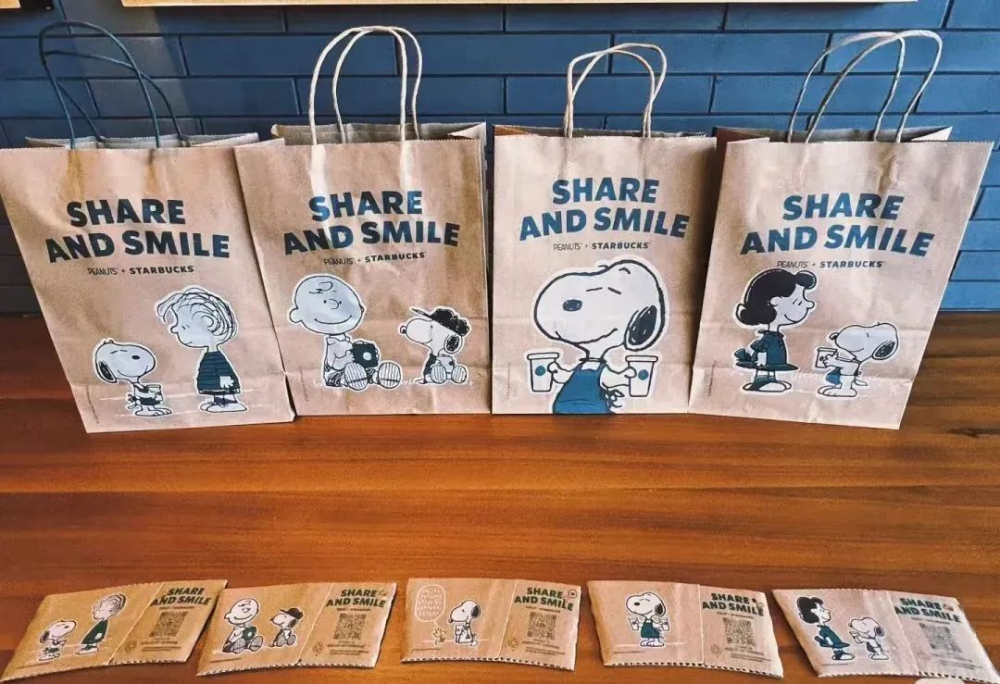
Industry insiders pointed out that Starbucks’ Snoopy collaboration exposed areas where the brand can improve its sensitivity in supply chain management and material distribution for large-scale promotions or collaborative campaigns. Especially when adjusting campaign timing without synchronizing logistics and store delivery plans, it can easily lead to a gap in customer experience and ultimately affect brand image.
For consumers, when participating in such collaborative campaigns, it is recommended to pay close attention to official announcements and campaign details in advance, and confirm with stores whether related limited-edition packaging is available. If you encounter a shortage of packaging materials, friendly communication with staff to understand the actual distribution situation can help avoid disappointment caused by unmet expectations. Additionally, some hand-drawn limited-edition designs by staff have become an alternative highlight of the campaign and can be seen as an unexpected bonus.
The above content is compiled by CoffeeHunters, a coffee news website.


