







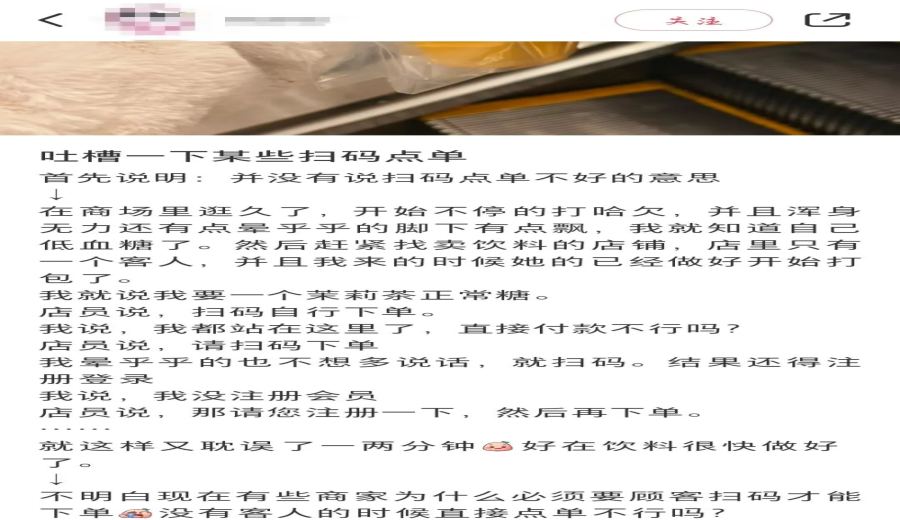
Introduction:Nowadays, when walking into a beverage shop, it’s becoming increasingly rare to directly place an order with a staff member. Scanning a QR code, registering an account, and ordering online have become the norm. One internet user, feeling unwell and wanting to place an order in person, was refused service—sparking public debate over the service model of modern beverage shops. Is QR code ordering an inevitable choice for efficiency, or is the humanized service that people crave being overlooked? This article delves into the challenges of balancing efficiency and service.
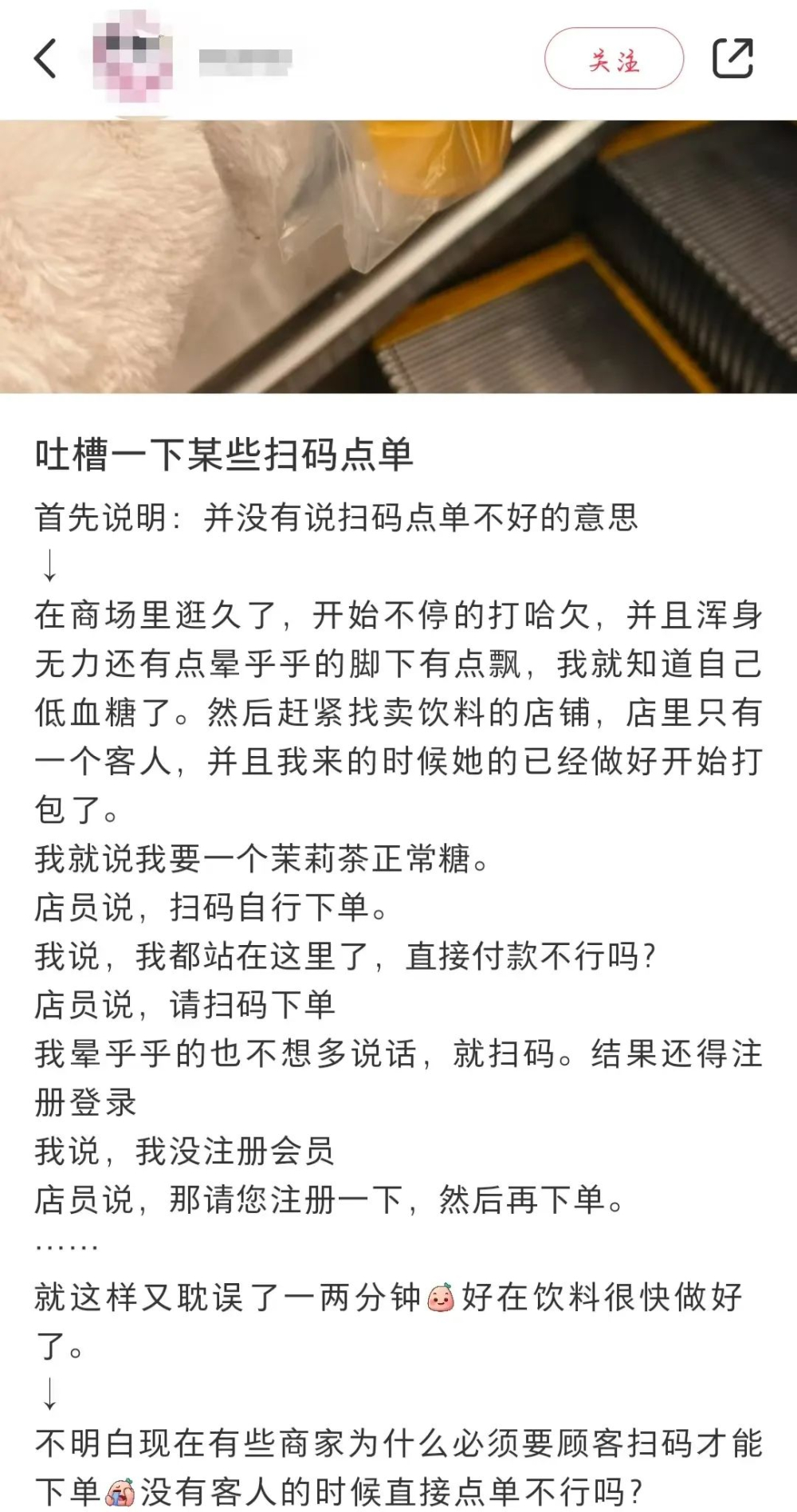
These days, entering many beverage shops and trying to verbally place an order directly with a staff member seems to be becoming more and more difficult. Scanning a QR code, registering an account, and ordering online has almost become standard procedure. Recently, one user shared their experience on a social media platform: feeling unwell, they entered a nearby beverage shop hoping to order a sweetened drink to ease their discomfort, but were refused by the staff, who insisted on QR code ordering—prompting heated discussion among netizens.
The user recalled that at the time, there was only one other customer in the shop, and the staff member was busy packing drinks. She approached the counter intending to place her order directly, but was told explicitly that she had to go through the entire process by scanning a QR code. Out of options, she followed the instructions—scanning the code, registering for an account, selecting items, filling out special notes—and it took several minutes before she could finally get the drink that would soothe her discomfort. Afterwards, she couldn’t help but wonder: “Why insist on QR code ordering only, when there were no other customers around?”
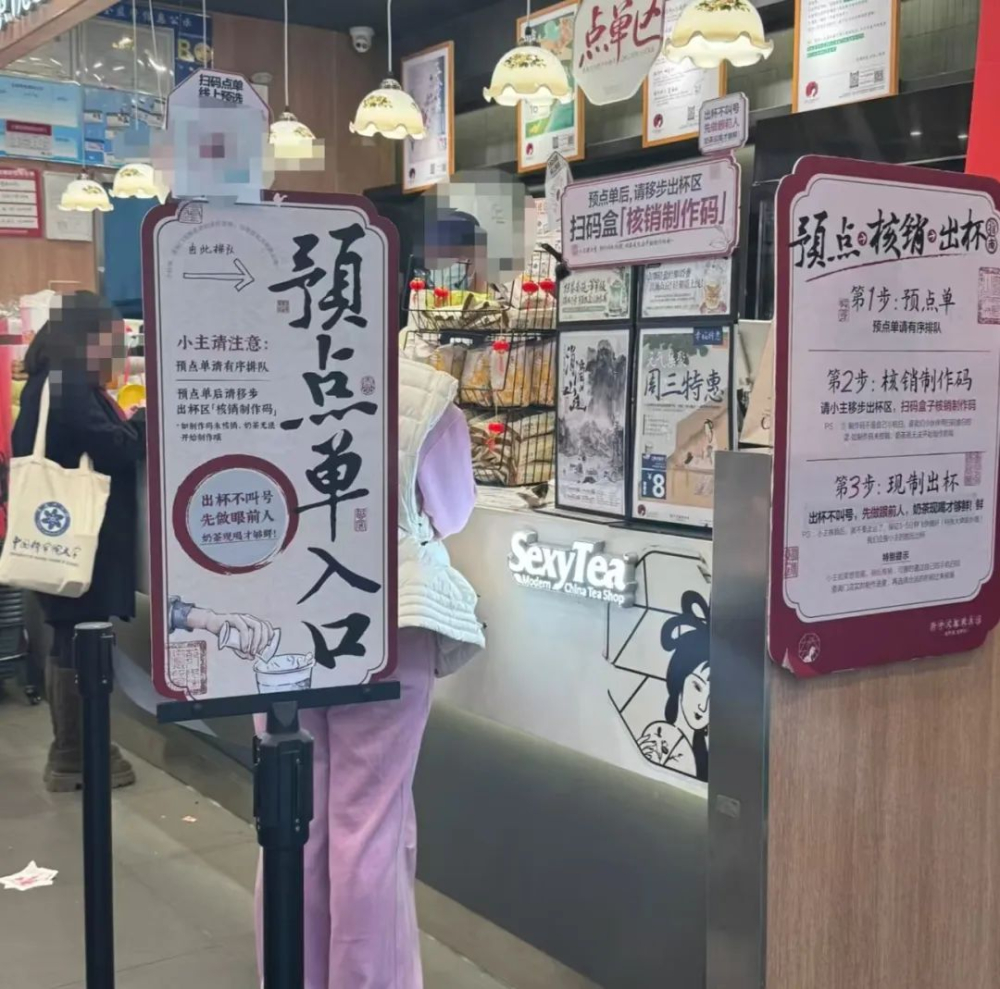
This post quickly resonated with many, with numerous users sharing similar experiences. Many recalled the days when buying bubble tea meant simply walking up to the counter, telling the staff what you wanted, and paying either with cash or digitally. But at some point, beverage shop counters stopped offering manual ordering—customers now have to scan a QR code, register an account, then choose products from an electronic menu, making the whole process seem more complicated.
Proponents of QR code ordering point out that not only is it time-saving, it also allows for precise communication of orders. Through the digital menu, customers can directly select flavor, sweetness level, ice amount, and even note special requests in the comments section—reducing the need for staff to double-check. Additionally, for those who frequently order the same drinks, the repeat-order process becomes much more convenient.
However, QR code ordering isn’t suitable for everyone. Some foreign customers, for example, may not have installed local payment apps or may only have cash on hand, often leading to situations where they can’t place an order. One user commented: “When I came back to China and wanted to buy a Luckin coffee, I didn’t have a domestic phone number or internet access—it took me ten minutes to successfully place an order.” Others said: “Some shops redirect you to their official account as soon as you scan the code—the process is too complicated, not as convenient as just ordering verbally.” There were also complaints that in urgent situations, having to fumble with a phone reduces convenience.
In response to these concerns, some beverage shop employees revealed that many stores are not equipped with professional point-of-sale ordering systems. The machines at the counter are often used mainly for printing receipts and labels, not for customer ordering. If a customer can’t use QR code ordering, staff often have to use their personal phones to place the order—which not only adds to their workload but can also disrupt the preparation process. As a result, most employees recommend that customers scan the code themselves, to reduce both communication overhead and time costs.
Additionally, the decline in cash usage is another contributing factor. Some staff admitted that since cash transactions are rare, shops usually don’t keep much change on hand. Digital payments eliminate the hassle of giving change and depositing money, while also reducing trips to the bank each month. At the same time, chain beverage shops often face staffing shortages, with employees busy preparing and serving drinks, making it hard to spare attention for in-person orders. QR code ordering systems neatly sidestep the cashier step, allowing staff to focus on drink preparation.
Still, some staff members noted that when faced with special circumstances—like a customer feeling unwell—if the situation is clearly explained and doesn’t violate store policy, they’re often willing to offer flexible solutions. For example, providing a sugary drink to ease symptoms first, or making the drink before the payment is completed. While not standard procedure, such humanized approaches show the potential for service flexibility.
In summary, QR code ordering offers clear advantages in boosting efficiency, reducing errors, and easing the staffing burden—but it also sacrifices a degree of service flexibility and inclusiveness. How to strike a balance between efficiency and human touch remains a shared challenge for both beverage retailers and consumers.
The above content is compiled by CoffeeHunters, a coffee news website.


