







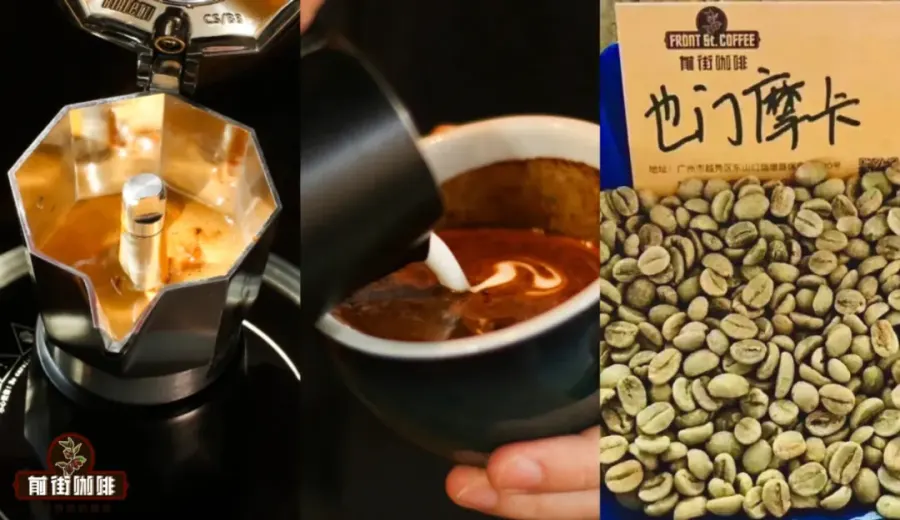
Introduction:Have you ever wondered why the word "Mocha" appears on coffee beans, coffee equipment, and beverages alike? This article takes you through the historical background of the Yemeni Mocha Port to deconstruct the origins of Mocha coffee beans, the formation of modern Mocha coffee, and the true reason behind the naming of the Mocha pot. It helps clarify the differences and connections among the three, along with practical advice on selection and brewing.
In the world of coffee, the term "Mocha" appears extremely frequently—whether it's Mocha coffee beans, Mocha coffee drinks, or the widely known Mocha pot—it inevitably raises the question: what exactly is the connection between them? To clarify this common yet easily confusing topic, we’ll start from its historical roots and explore how the word "Mocha" has derived multiple meanings within coffee culture.
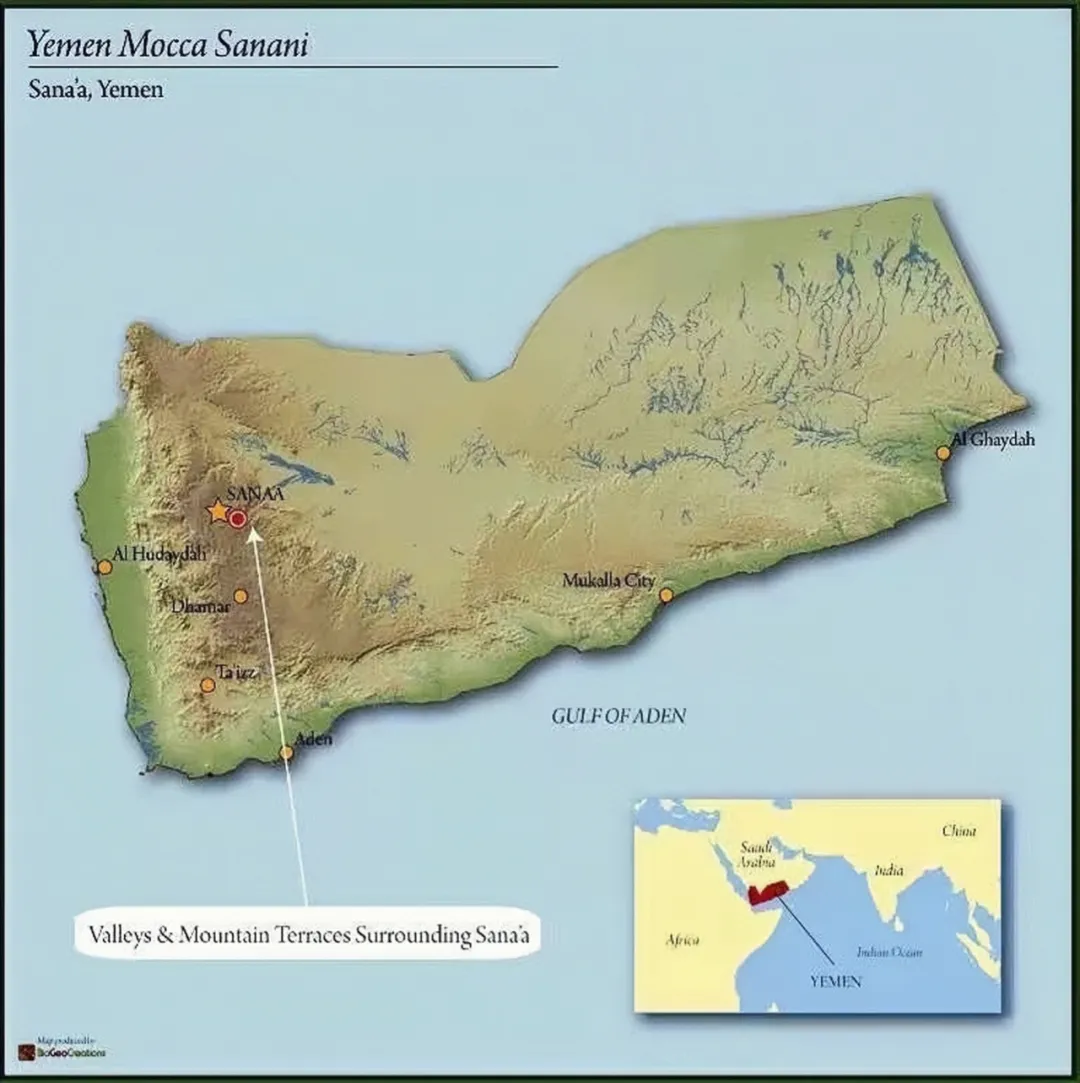
First, let’s look at the origin of the place name "Mocha." It is actually an important port city located along the Red Sea coast in southern Yemen. Between the 15th and 18th centuries, Mocha Port was the global hub of coffee trade and the main route connecting the Indian Ocean with the Mediterranean and onward to Europe. Its status was akin to that of today’s Shanghai Port. Due to its unique geographical location, almost all merchant ships traveling from the Indian Ocean to Europe had to pass through this area, making Mocha Port the most important early center for coffee trade distribution.
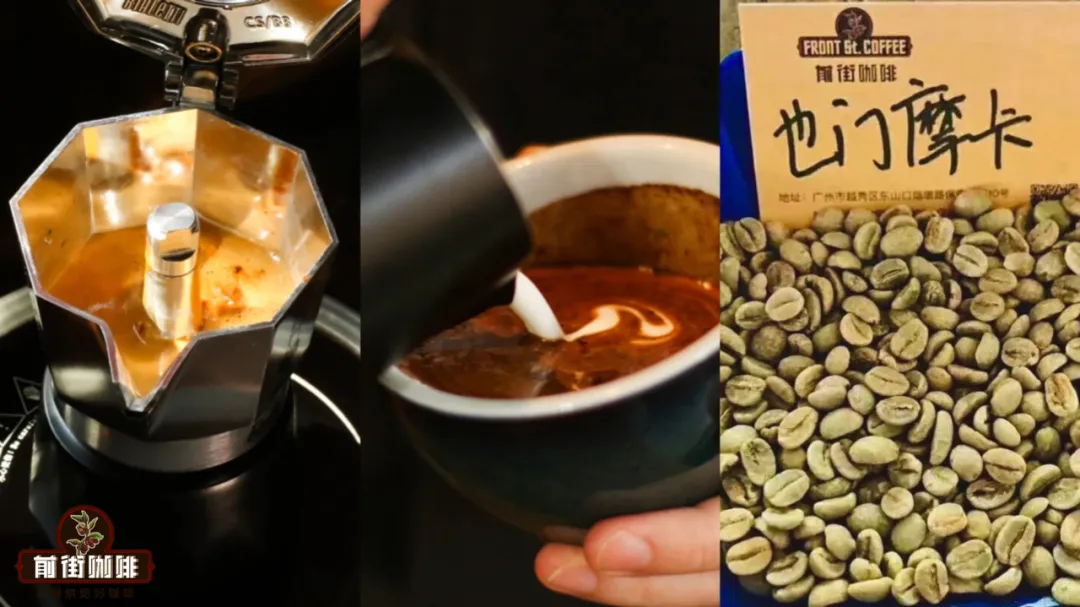
Coffee was first transported to various parts of Europe via Mocha Port. As a result, at the time, European markets didn’t know exactly which specific regions in Yemen these coffees came from—they only knew they were exported from "Mocha Port." Over time, these uniquely flavored coffee beans came to be collectively referred to as "Mocha coffee beans." Yemen itself was also the first country in the world to cultivate coffee as a major cash crop on a large scale, and these coffees often had a strong chocolatey profile, further deepening the association between "Mocha" and chocolate flavor.
However, as global demand for coffee continued to rise, colonial powers such as the Netherlands, France, and Britain smuggled Yemeni coffee seeds to other regions through various means, including Java, Sumatra, and the Caribbean. The coffee grown in these areas gradually developed their own distinct characteristics and were supplied to the market in larger quantities at lower costs, leading to a continuous decline in Mocha coffee’s market share. By the early 19th century, Yemen’s coffee production accounted for less than 6% of the global total, and today it is negligible. As a result, Mocha coffee beans have become an extremely rare item.
Shifting to the modern drink known as "Mocha coffee," it is no longer directly related to the ancient Yemeni Mocha Port. Today, when we refer to Mocha coffee, we usually mean a coffee beverage based on espresso, mixed with hot milk and chocolate syrup or cocoa powder—it can be considered a latte with added chocolate. The reason this drink is called "Mocha" is said by some to be an attempt to recreate the distinctive chocolate flavor of the original Mocha coffee beans, while others believe it’s due to branding or market positioning, aiming to create an image of premium, classic coffee.
When choosing Mocha coffee, it is recommended to use medium to dark roasted blends that can better highlight the richness of chocolate and the body of the coffee. For example, a blend combining Brazilian Red Bourbon and Indonesian Mandheling not only offers caramel and nutty aromas but, if the recipe includes a small amount of Robusta, can also add a rich depth reminiscent of dark chocolate and roasted chestnuts.
Finally, let’s talk about the commonly known but often misunderstood "Mocha pot." This is an Italian-style coffee brewing device that originated in the early 20th century (1933), invented by the Italian Alfonso Bialetti. The Mocha pot brews coffee through pressurized extraction, operating on a principle similar to modern espresso machines, and produces a strong, rich, crema-covered black coffee. Due to its affordable design and simple operation, it quickly became popular in Italian households after its launch.
As for why this device was named the "Mocha pot," there are two commonly accepted explanations. One is that by the time, the word "Mocha" was already inseparable from coffee—just as people referred to all coffee imported from Mocha Port as "Mocha coffee"—so naming a coffee brewing device "Mocha" essentially meant "coffee pot." Another explanation is that Bialetti wanted consumers to associate the name with the bold, deep flavors of Mocha coffee, thereby highlighting the pot’s ability to extract similarly intense flavors.
When using a Mocha pot, it is recommended to choose medium to dark roasted coffee beans to fully leverage its rich extraction characteristics. For beginners, it’s advisable to start with well-balanced beans such as the "Dark Cocoa Base Blend," which is easy to handle and less prone to mistakes. Advanced users who prefer fruity and floral notes might try the "Strawberry Sugar espresso blend," which offers unique berry and floral flavors for a distinctly different taste experience.
In summary, the three terms—"Mocha coffee beans," "Mocha coffee," and "Mocha pot"—all contain the word "Mocha," but their origins and meanings are distinct. Mocha coffee beans stem from the historic trading prominence of Yemen’s Mocha Port; modern Mocha coffee is an innovative drink combining espresso, milk, and chocolate; and the Mocha pot is a classic extraction tool deeply tied to Italian coffee culture. Understanding their origins not only allows us to better appreciate the diversity of coffee but also helps us make more informed choices when selecting and brewing.
The above content is compiled by CoffeeHunters, a coffee news website.


