







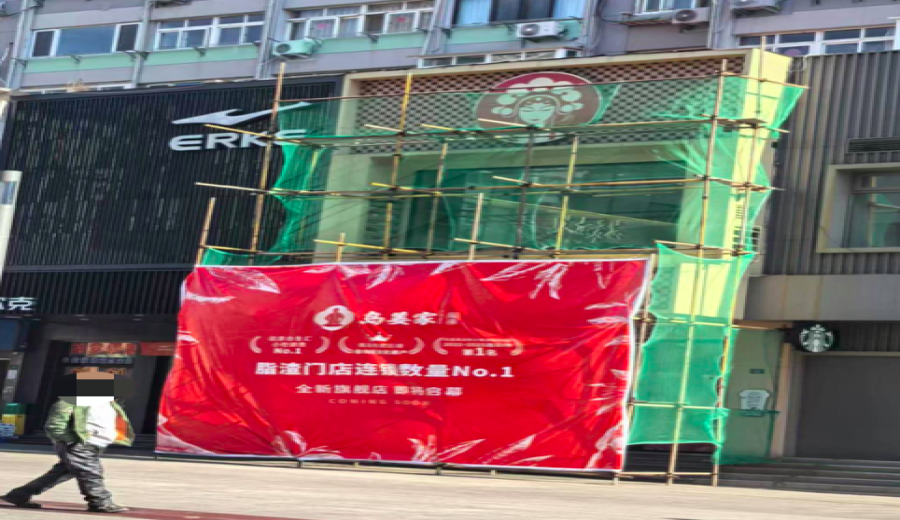
Introduction:The closure of two flagship stores of Chagee in Qingdao has drawn attention, with the Taidong branch operating for less than two years and the Yinyu Alley location also shutting down quietly. Nevertheless, the brand continues to expand both domestically and internationally, with reports of new openings in Los Angeles, USA, and Seoul, South Korea. However, the first store in Ho Chi Minh City, Vietnam, faced a last-minute postponement due to controversy over promotional images, highlighting the challenges of cultural adaptation in its global expansion. This article analyzes the reasons for the closures, the current state of expansion, and the risks in overseas markets.
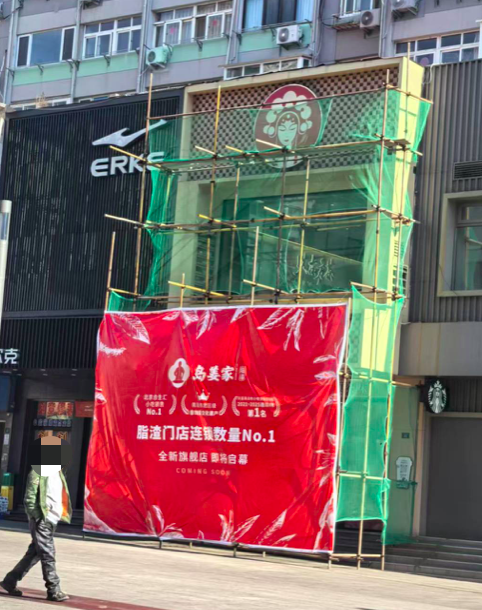
Recently, two Chagee flagship stores in Qingdao—one on Taidong Pedestrian Street and the other in Yinyu Alley—have successively closed, sparking discussions among local consumers. The Taidong branch opened in June 2023, located near a Starbucks, and attracted a sizable customer base through high foot traffic and limited-time events. Despite being in operation for less than two years, it was suddenly enclosed by hoardings, with online speculation linking the move to rising rents. The Yinyu Alley store, which opened last May, has since had its signage removed and its ordering system is no longer operational.
Notably, despite the adjustments in the Qingdao market, Chagee’s overall expansion pace has not slowed. New domestic stores continue to open, and efforts overseas have accelerated, including the appearance of a brand hoarding at a mall in Los Angeles, USA, as well as the registration of the Korean Instagram official account “CHAGEE Korea,” signaling expansion plans. However, the first store in Ho Chi Minh City, Vietnam, was forced to postpone its opening before completion due to promotional images that touched on the South China Sea sovereignty dispute, reflecting the need for more cautious handling of localization and sensitive issues in its international expansion.
Industry analysts suggest that the closures in Qingdao may stem from higher-than-expected rental costs or underperformance in per-square-meter sales. Common challenges for emerging tea beverage brands include unstable foot traffic, intense competition, and high rent-to-revenue ratios (typically needing to be kept under 15%). Consumers observed no significant operational anomalies before the closures, indicating that the brand's decisions may be based on long-term strategic adjustments.
In terms of expansion strategy, Chagee prioritizes cities with high consumption potential, such as Asian communities in Los Angeles and trendy commercial districts in South Korea. Overseas stores must pay attention to local regulations (such as food safety standards), beverage preferences (for example, Koreans tend to prefer less sweet tea drinks), and allow for an adaptation period of at least three months. The Vietnam case serves as a reminder that visual content must undergo scrutiny for historical and political sensitivities to avoid inadvertently offending local taboos.
Overall, Chagee’s adjustments in Qingdao represent a single-market strategic correction and do not affect the overall direction of growth. The key to future success lies in balancing the pace of expansion with effective localization, especially in markets with significant cultural differences.
The above content is compiled by CoffeeHunters, a coffee news website.


