








Introduction:During the rainy spring season, many baristas find that even when using the same parameters, espresso extraction performance noticeably deteriorates. This practical guide for readers in Hong Kong, Taiwan, and overseas Chinese communities will delve into the scientific reasons behind unstable extractions on rainy days by analyzing key factors such as ambient humidity, machine thermal stability, and coffee bean moisture content. It also offers actionable adjustment tips to help you maintain consistent beverage quality.
When spring temperatures rise above 20°C accompanied by frequent rainfall, baristas in the Guangdong region often face their biggest annual challenge—despite strictly following their usual extraction protocols, espresso machines frequently exhibit irregular flow rates and unstable crema. This phenomenon stems from the complex interplay of multiple environmental variables, and is by no means simply a result of operator error.
The foremost key factor lies ina sudden increase in air humidity. Empirical data shows that when relative humidity exceeds 75%, the moisture content of roasted coffee beans can increase by 1.2%–1.8% within 24 hours. This directly alters the density and friability of ground particles, leading to a looser puck structure ( ). It is recommended to adjust the grinder setting finer by 0.5–1 notch and preheat the group head to the ideal range of 93–96°C (
 ).
Another common mistake is overlookingthe machine’s thermal inertia response. A humid environment delays the heating efficiency of the boiler and group head, especially for shops using single-boiler machines. Observations indicate that on rainy days, the starting extraction temperature may be 2–3°C lower than on dry days, resulting in under-extraction in the early phase. The professional approach is to initiate the preheating process 30 minutes before opening, and to use an infrared thermometer to monitor the actual temperature of the group head (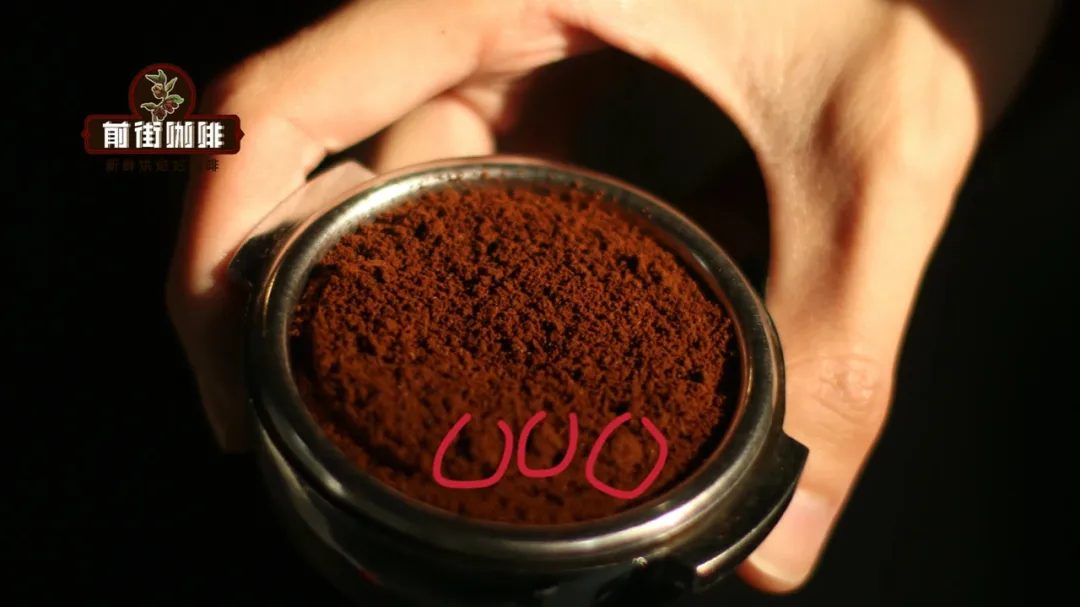 ).
Changes in the state of the coffee beans themselves are equally critical.For every 10% increase in relative humidity in the storage environment, the oxidation rate of fermentation flavor compounds in green beans accelerates by 15%. It is advisable to store unused roasted beans in airtight containers with moisture-proof foil lining, and keep them in a constant temperature environment of 18–22°C. If the bean surface feels noticeably damp, you may temporarily increase the grind size and shorten the extraction time (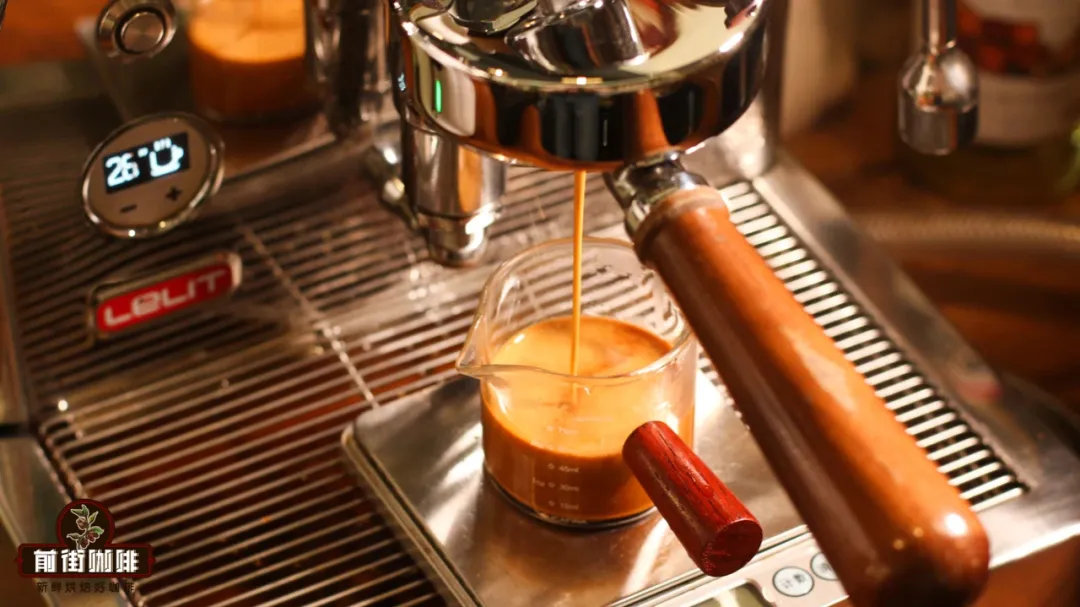 ).
Fluctuations in pressure gauge readings are also worth monitoring. Under normal circumstances, the 9-bar pressure should maintain a stable curve, but in high-humidity conditions, it is common to observe a sudden drop of 0.3–0.5 bar in pressure, which usually reflects changes in puck permeability. You can try slightly adjusting the tamping pressure (recommended range: 30–35 pounds), and check whether the shower screen is affected by condensed water accumulation, which may disrupt water distribution ( ).
Lastly, do not overlookdifferences in human sensory adaptation. On rainy days, dim indoor lighting and lower atmospheric pressure can affect the judgment of crema color and thickness. It is recommended to conduct quality control under consistent lighting, and to record a comparison chart of extraction parameters between rainy and sunny days, gradually building an environment-adaptive adjustment model (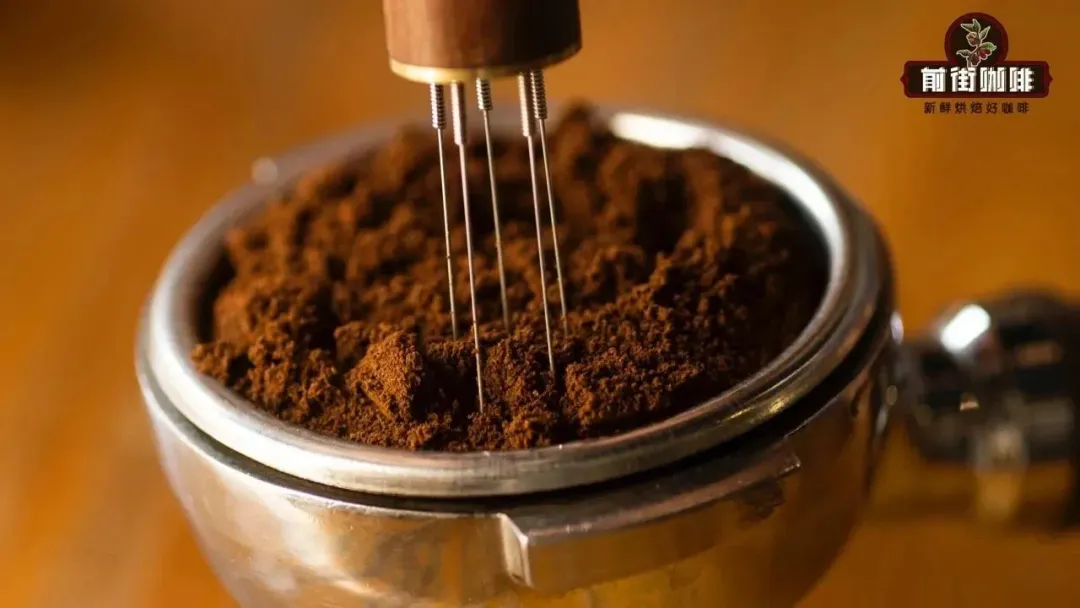 ).
The above content is compiled by CoffeeHunters, a coffee news website.


