








Introduction:Luckin Coffee implemented an AI-powered automated scheduling system, originally intended to optimize staffing, but due to its overemphasis on hourly cup output while neglecting essential yet unquantifiable tasks such as cleaning and preparation, frontline employees have been burdened with excessive workloads—even resorting to unpaid overtime to complete their duties. This article delves into the system’s operational logic, the real challenges faced by employees, and explores the often overlooked importance of backstage tasks in café operations.
Recently, Luckin Coffee introduced an AI-based store scheduling system internally. By collecting historical sales data, the system analyzes daily staffing needs and working hours for each location, aiming to allocate existing human resources more precisely. However, this so-called scientific scheduling system has sparked widespread dissatisfaction among employees.
According to multiple Luckin store staff, the system primarily relies on estimated hourly "cup output" as the core reference for scheduling, completely excluding necessary but hard-to-quantify in-store tasks such as cleaning, inventory checks, verifying ingredient expiration dates, and preparation. As a result, many employees find their actual workload far exceeds the system’s projections, sometimes even having to work unpaid overtime during peak hours to get everything done.
One anonymous employee revealed that the system only predicts hourly cup demand based on past sales data for the same time slot. If the AI determines business is slow at a certain period, it might schedule just one employee to work alone. On the surface, this helps reduce labor costs, but in reality, it places immense pressure on the individual staffer.
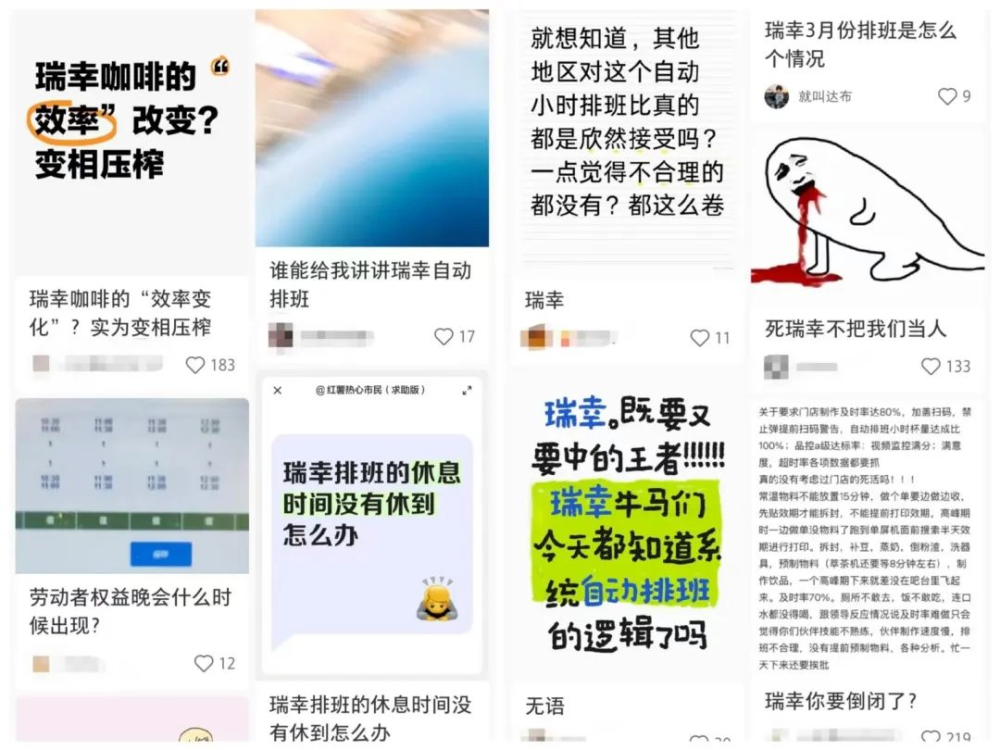
The problem lies in the fact that AI scheduling does not account for "invisible work" beyond coffee making. Tasks such as bar cleaning every two hours, inventory counts per shift, checking ingredient expiration dates, and routine equipment inspections all consume considerable time and effort. Yet these tasks do not directly generate sales and are not factored into scheduling, leading many employees to report, "The schedule says four hours, but I end up working over six."
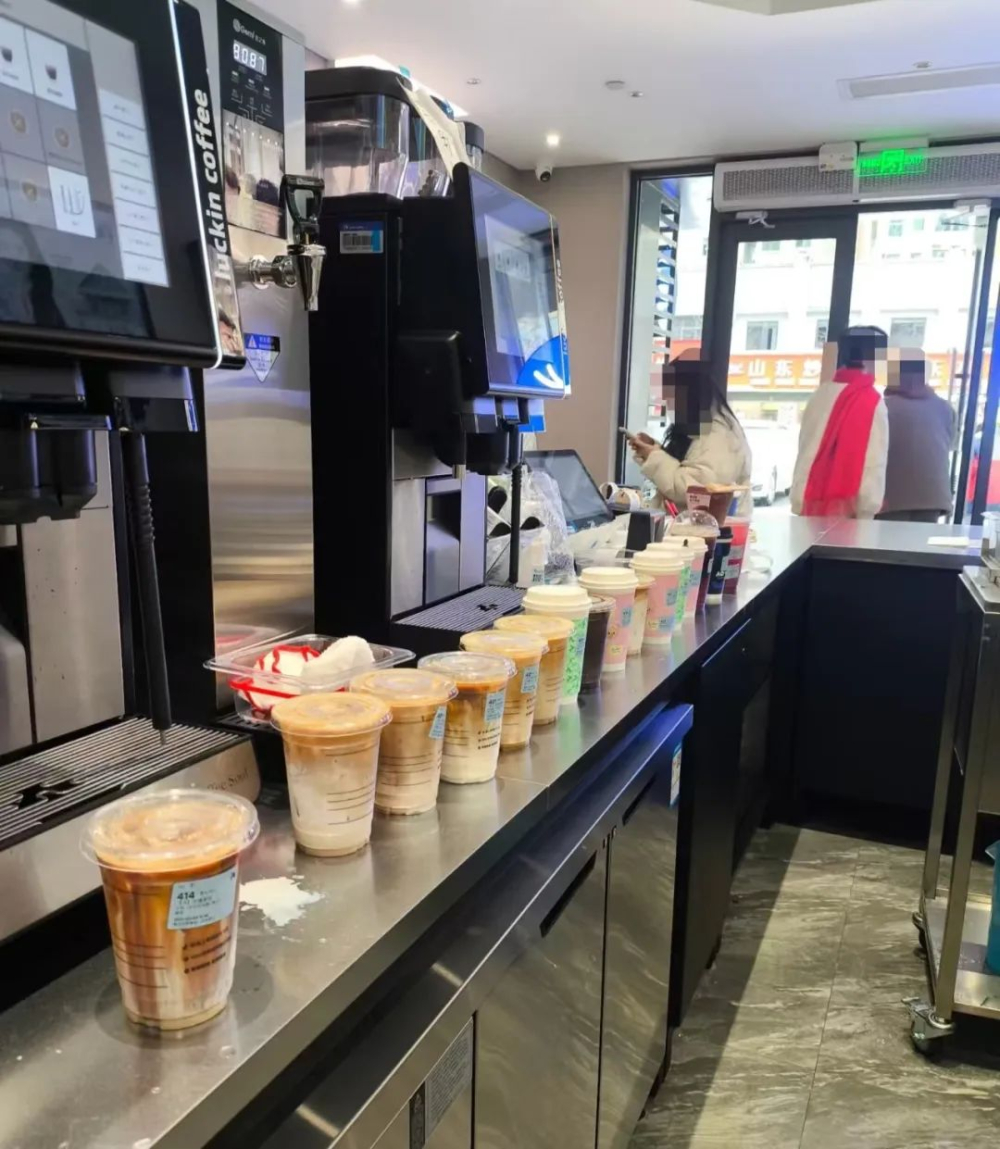
Even worse, when a store suddenly receives a flood of orders or faces unexpected issues—like a tea brewer malfunctioning or a milk frother running out of cream—the lone on-duty employee often faces triple pressure: rushing to fulfill orders, managing backstage tasks, and handling customer service. One employee quipped, "It’s like there’s an invisible whip driving me from behind—I can’t stop."
In addition, many employees noted that although the system’s scheduling may appear to allocate working hours reasonably, in practice, frequent unexpected events force them to sacrifice break times, making even basic needs like eating, drinking, or using the restroom a luxury. One staffer bluntly stated, "When it gets busy, I’m afraid to even take a sip of water in case it delays serving drinks—let alone going to the bathroom."
On social platforms, numerous Luckin employees have shared their experiences, criticizing the algorithm-driven scheduling system for making them feel like "non-stop machines." One described it as, "Like being a humanoid self-serve coffee machine—just keep making, making, making, with no room to breathe." Another said, "Management only looks at the data, never thinking about the real people behind those numbers."
Industry insiders point out that café operations involve tightly interconnected processes—front-of-house service, back-of-house preparation, cleaning, and more. Neglect in any one area can impact overall service quality and employee experience. While AI scheduling systems can improve human resource allocation efficiency, over-reliance on a single metric (like cup output) while ignoring the complexities of real-world operations can ultimately backfire, leading to employee turnover and declining service standards.
Suggestions have been made that to truly optimize the scheduling system, more variables should be incorporated—such as equipment status, frequency of common disruptions, and time required for backstage tasks—and frontline employees should be involved in system feedback adjustments, in order to achieve a true balance between efficiency and humanity.
The above content is compiled by CoffeeHunters, a coffee news website.


