







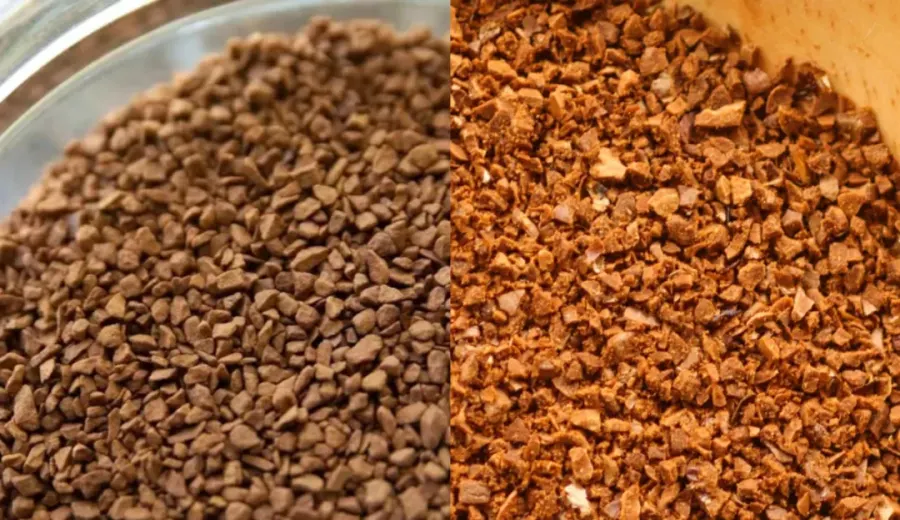
Introduction:Freeze-dried coffee is often mistakenly thought to be close in quality to freshly ground coffee, but in fact, it belongs to the same category of quick-dissolving products as traditional instant coffee, with the only difference being the production process. This article delves into the principles behind freeze-drying technology, compares the brewing methods, flavor profiles, and suitable scenarios of the three types of coffee, helping readers make informed choices based on their needs and avoid conceptual confusion.
In recent years, a type of beverage that closely resembles coffee granules has appeared on the market. It is often misunderstood as high-quality freshly ground coffee, and some people have even tried brewing it using freshly ground coffee powder, leading to quite a few misunderstandings. This product, often marketed as “close to freshly ground,” is none other than freeze-dried coffee. But what exactly is it? How does it fundamentally differ from regular instant coffee? And is it worth pursuing compared to freshly ground coffee? We will take you through a comprehensive understanding, from production processes and technologies to flavors.
First of all, so-called freeze-dried coffee is actually a special type of product within the broader category of instant coffee, rather than genuine freshly ground coffee. Genuine freshly ground coffee refers to coffee beverages made by grinding freshly roasted coffee beans appropriately and then immediately extracting them using various methods (such as pour over, drip filtration, French press, etc.). This part is relatively well-known, so we won’t elaborate further. The key point is that although freeze-dried coffee falls under the category of instant coffee, its production method is significantly different from the traditional instant coffee we are familiar with.
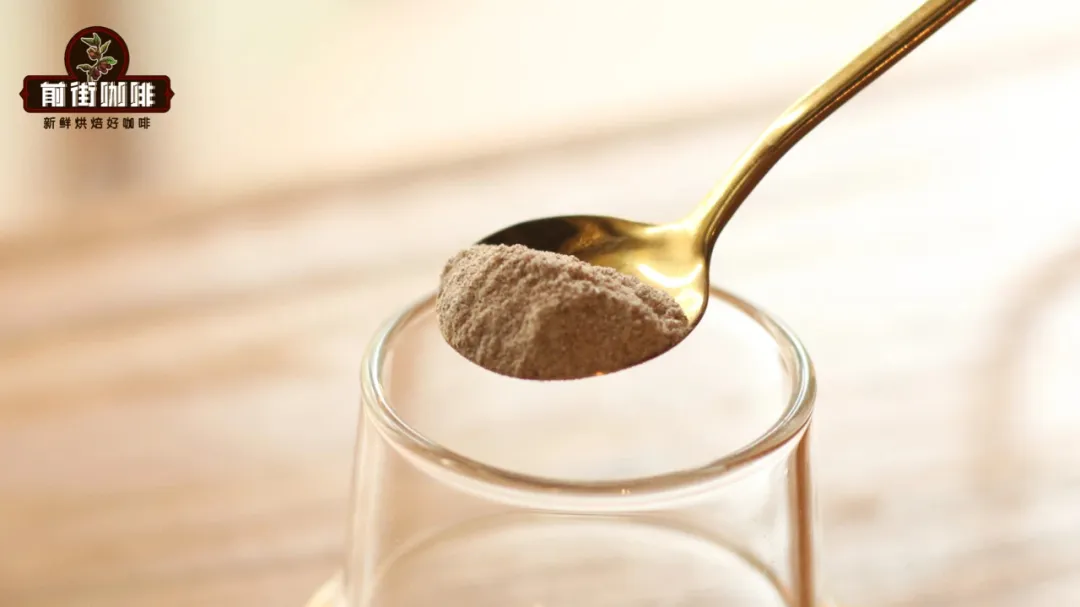
As everyone knows, traditional instant coffee mostly uses a method called “spray drying,” which was first successfully developed by Nestlé in 1937. This method primarily utilizes high-temperature hot air to atomize concentrated coffee liquid through nozzles into fine droplets, which are then directed into a hot air drying chamber where the moisture is rapidly evaporated by the high temperature, ultimately forming fine coffee powder. In simple terms, it’s about “drying the coffee liquid into powder.” Although this process is highly efficient, the high heat can easily destroy some heat-sensitive flavor compounds, which is why it is often considered to have a flatter flavor and lacks complexity.
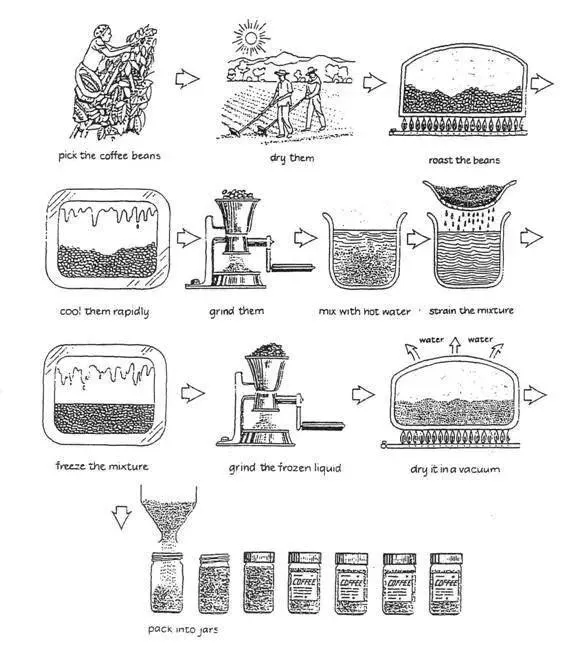
In contrast, freeze-dried coffee uses what is called “freeze-drying technology” (Freeze-Drying). This involves first rapidly freezing the extracted coffee liquid so that the water inside forms ice crystals. Then, the entire ice crystal structure is placed in a vacuum environment, where sublimation occurs, turning the ice directly into water vapor and expelling it, leaving behind the solid components of the coffee to form porous coffee chunks or coffee powder. The most distinctive feature of this process is that dehydration is completed in a low-temperature environment, which allows for a greater degree of preservation of the coffee’s original aroma and flavor compounds. Compared to traditional hot-air spray-dried instant coffee, it often offers a richer layering and a sensory experience closer to that of freshly ground coffee.
However, despite freeze-dried coffee having a slight edge in flavor retention, it still cannot compare to genuine freshly ground coffee. Freshly ground coffee emphasizes immediate extraction, which can fully showcase the origin characteristics of the coffee beans, the roast profile, and the nuanced changes from the specific grind at that moment—none of which can be replicated by any form of instant product. Additionally, freshly ground coffee allows for a high degree of flexibility during brewing, as variables such as water temperature, grind size, brewing time, and coffee-to-water ratio can be adjusted according to personal taste, making it regarded as the “gold standard” of coffee tasting.
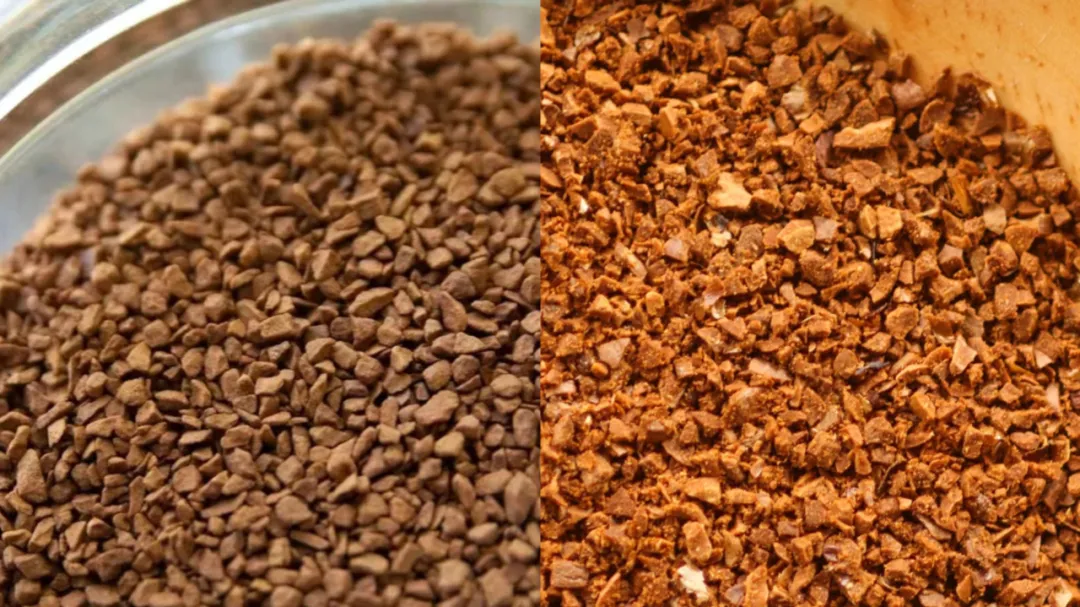
So, why do many people still confuse freeze-dried coffee with freshly ground coffee? One reason is that freeze-dried coffee often takes on a form similar to coffee granules, especially when it is made into chunks or compressed particles, which can visually resemble freshly ground coffee powder to some extent. Coupled with marketing claims by some sellers emphasizing phrases like “replicating freshly ground flavors” or “closely resembling pour over taste,” consumers can develop overly high expectations, even mistakenly thinking it can directly replace freshly ground coffee. But in reality, there are fundamental differences between the two in terms of production principles, flavor presentation, and overall drinking experience.

In summary, although freeze-dried coffee is categorized as a type of instant coffee, due to its use of low-temperature freeze-drying technology, it has an advantage in flavor preservation over traditional high-temperature spray-dried instant coffee, thereby striking a certain balance between convenience and taste. However, it still cannot match the performance of freshly ground coffee in terms of flavor detail, layering, and personalized brewing. For busy consumers who value convenience but still hope to enjoy better flavor, freeze-dried coffee is a good choice; but if you’re seeking the most authentic and complete flavor experience of coffee, freshly ground coffee remains irreplaceable.
The above content is compiled by CoffeeHunters, a coffee news website.


