







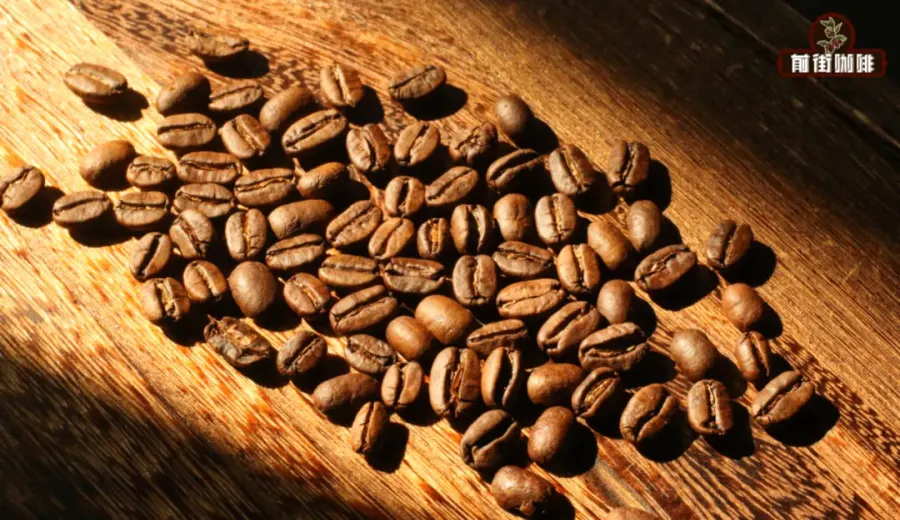
Introduction:Mandheling coffee is commonly associated with dark roasting, but its light roast versions also showcase unique charm. This article breaks down the three main reasons behind the popularity of dark roasts, analyzes the flavor profiles of key producing regions such as Sumatra and Sulawesi, and provides practical parameters for pour over and roasting to help coffee enthusiasts find their own preferred Mandheling flavor.
Walking into any coffee shop and ordering a cup of Mandheling coffee will often result in being served a bold, dark-roasted black coffee. This phenomenon leads many newcomers to wonder: in an era where light roasting is so popular, why does this classic Indonesian coffee bean still adhere to dark roasting? In fact, this involves multiple factors including regional characteristics, market preferences, and roasting philosophies.
A certain café recently received a large number of similar inquiries, with one out of every twenty customers bringing up this question. A common misconception is that “all Mandheling must be dark roasted” or that “light-roasted Mandheling is inevitably inferior in flavor.” To clarify these doubts, we specially roasted batches of Mandheling with varying development levels and invited customers to participate in blind taste comparisons.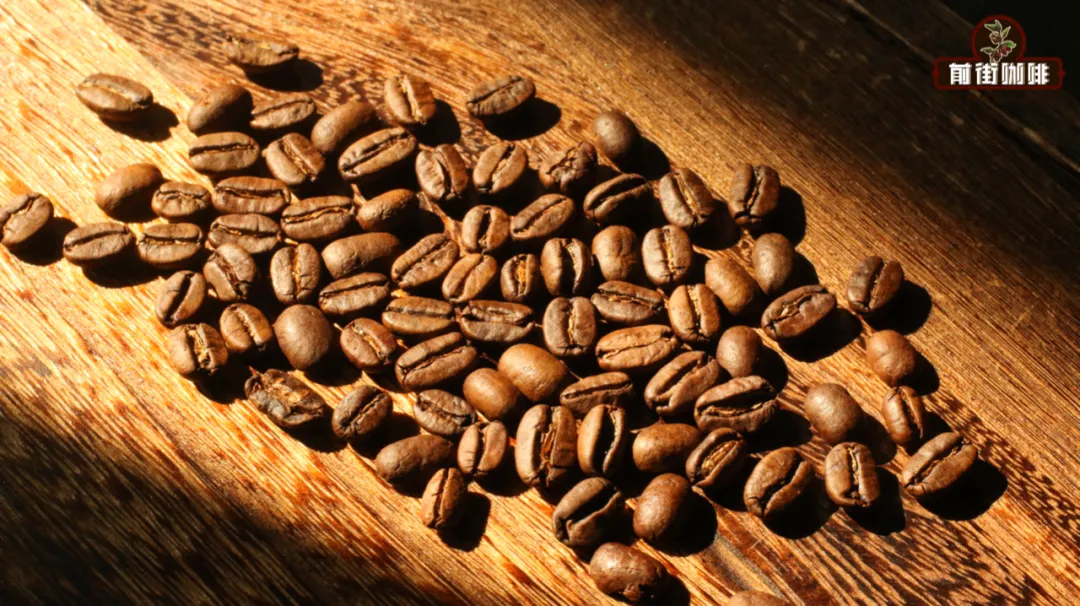 .
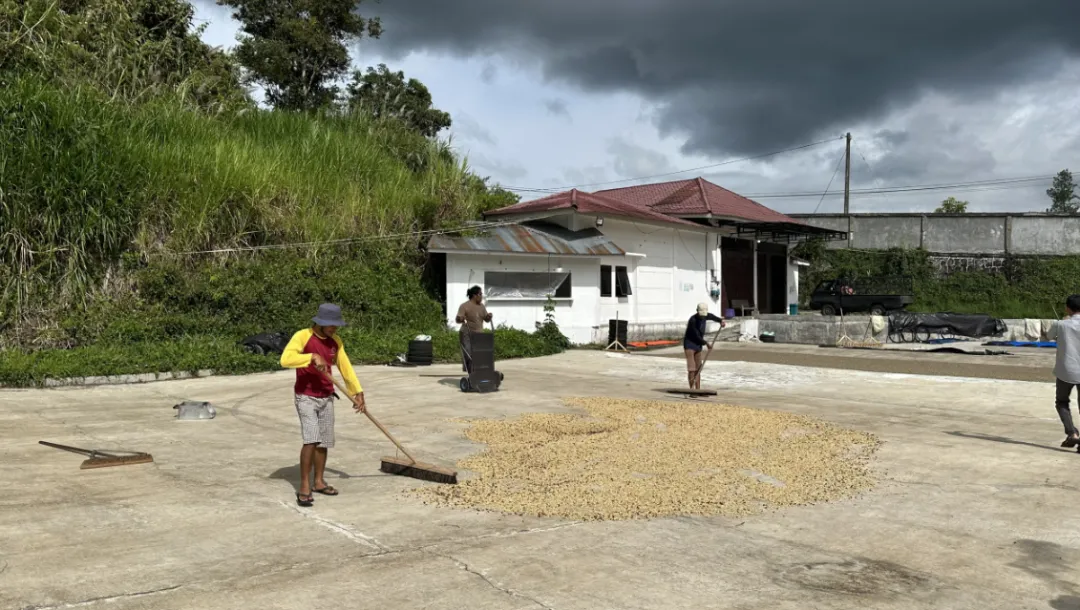
A deeper look reveals that the tradition of dark roasting Mandheling is closely related to the environment of its origin, Sumatra. The region’s high altitude and humidity result in higher moisture content in green beans, and dark roasting can effectively eliminate green and astringent impurities, highlighting the signature low acidity and full-bodied flavors. However, in recent years, with the rise of the specialty coffee trend, some estates have begun experimenting with medium-light roasting, revealing unexpected layers such as citrus acidity and red berry notes.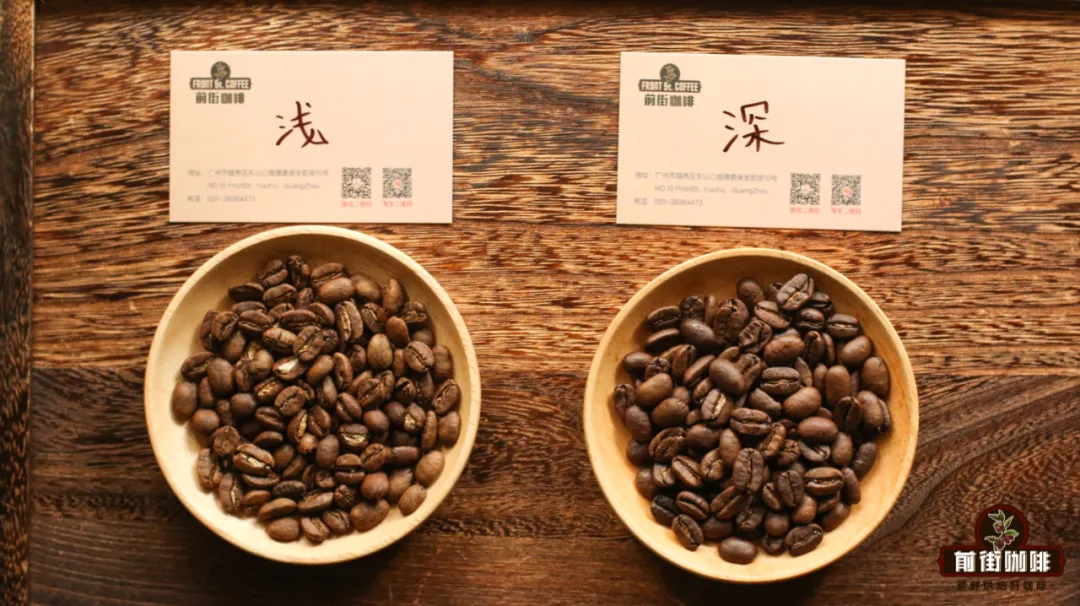 .
Globally renowned Mandheling-producing regions include at least ten major areas, among which Mandheling Village and Gayo Mountain in Sumatra, as well as the Toraja region in Sulawesi, are the most representative. Sumatran Mandheling is known for its herbal, earthy, and smoky aromas, with an optimal extraction temperature recommended between 90-93°C; whereas Mandheling from Sulawesi benefits from volcanic soil, often exhibiting brighter citrus tones, making medium-light roasting ideal for highlighting its fruity acidity.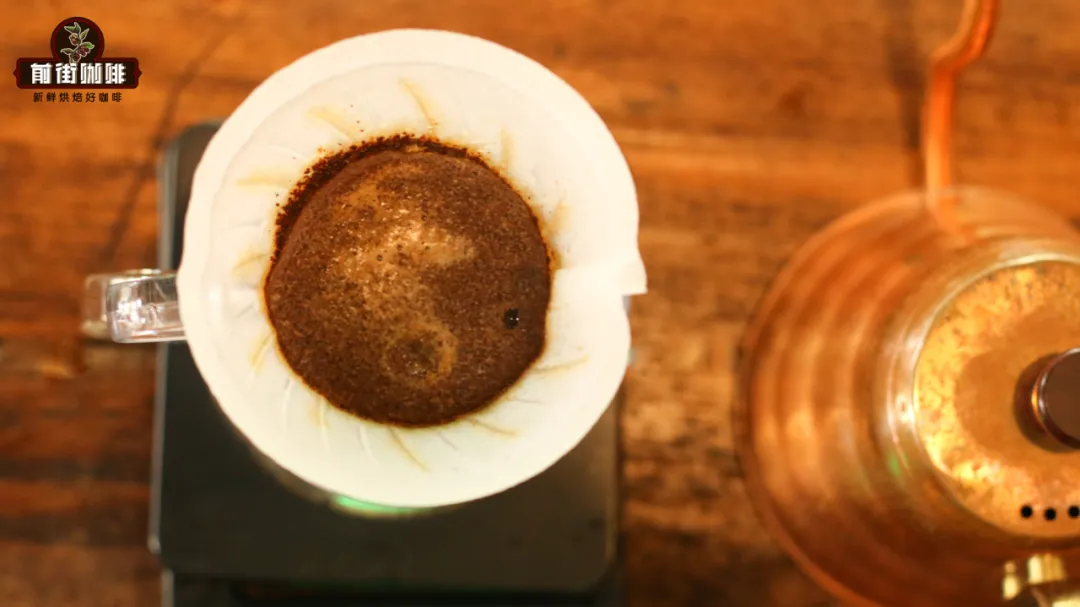 .
For home brewers, it is recommended to adjust parameters based on roast level: for dark-roasted Mandheling, a 1:15 coffee-to-water ratio can be used, with a grind size close to sugar granules and water temperature controlled at 92°C to avoid over-extraction; if choosing a light-roasted version, the bloom time should be shortened to within 20 seconds, and the grind fineness increased to that of white sugar. It is worth noting that Mandheling releases oils more slowly, so it is advised to pre-wet for 10-15 seconds longer than usual.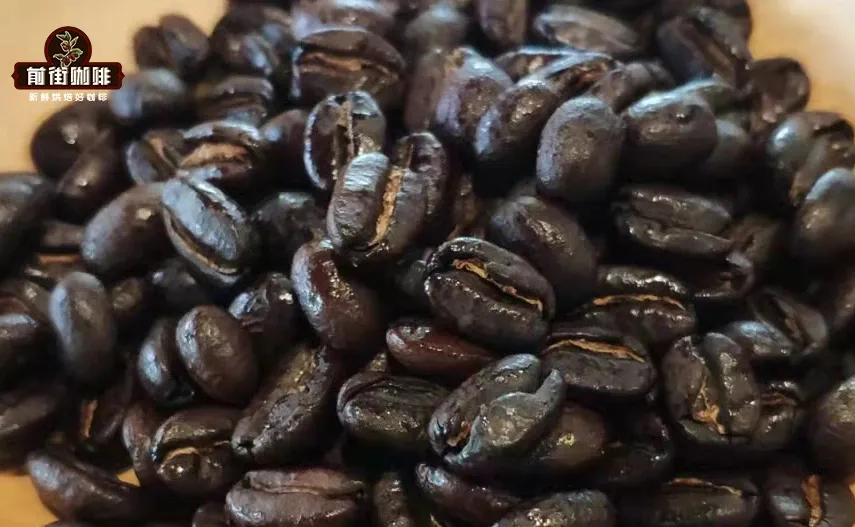 .
The ten most common Mandheling brands on the market each represent different regional characteristics. For example, the Golden Mandheling produced by Indonesia’s state-owned PTPN company emphasizes manual sorting to remove defective beans, presenting a balanced profile of dark chocolate and nuts; whereas smallholder estate beans from the Toraja mountainous region of Sulawesi, due to their low-density planting environment, develop a unique character with wild floral notes.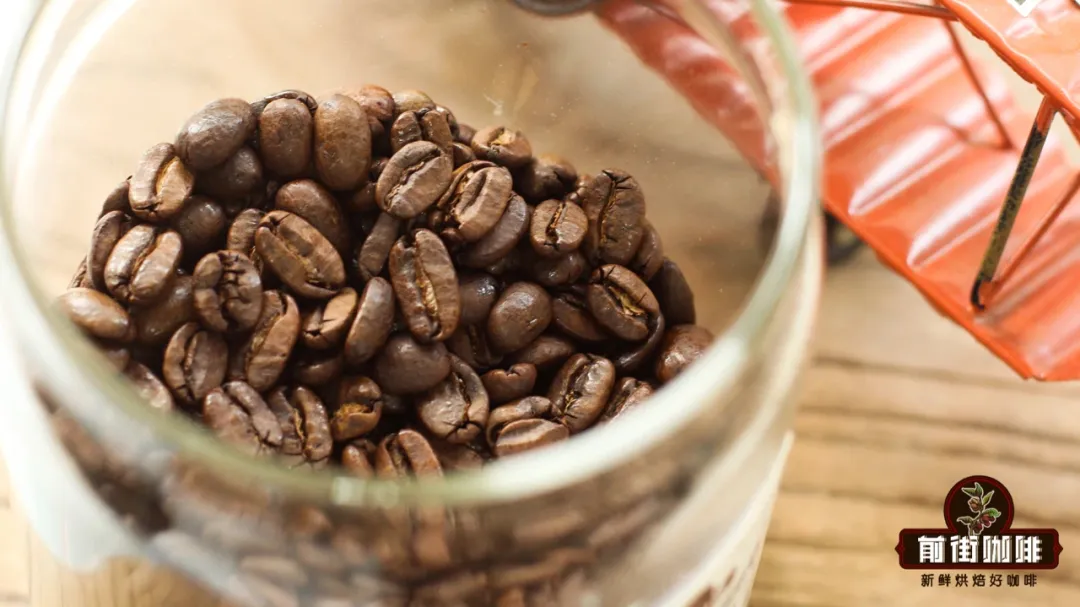 .
The choice of roast level directly influences the flavor expression of Mandheling. Dark roasting (Agtron 25-35) enhances body and the balance of bitterness and sweetness, making it suitable for drinkers who prefer a bold taste; medium roasting (Agtron 40-50) can bring out a caramelized syrupy feel and subtle fruitiness; while extremely light roasting, although capable of preserving more of the original floral and fruity notes, requires strict control of the roasting curve to avoid amplifying defects in the green beans.{{IMG5}".
In summary, the preference for dark roasting in Mandheling is not an absolute rule, but rather a combined result of regional characteristics and market demand. By understanding the terroir conditions of each producing area and appropriately adjusting extraction parameters, whether it’s the bold richness of dark roasts or the bright layers of light roasts, the diverse charm of this classic coffee bean can be fully revealed.{{IMG6}".

The above content is compiled by CoffeeHunters, a coffee news website.


