







Introduction:A consumer developed symptoms of chemical esophagitis after consuming a fruit tea smoothie containing crushed oxygen absorber packets. From an employee admitting the mistake to the brand deleting its apology letter, this food safety incident exposed flaws in the production process of freshly made beverages. This article details the incident, outlines key steps in medical treatment, and analyzes the risks of accidentally ingesting oxygen absorbers and key points for consumer rights protection.
A common fruit tea smoothie turned out to be the source of a health hazard — after drinking it, the consumer experienced a foreign body sensation in the throat and a burning sensation in the stomach, and was diagnosed with chemical esophagitis after seeking medical care. The root cause was the accidental mixing of an entire packet of oxygen absorber (including its outer packaging and chemical contents) into the ingredients during preparation, which was then blended together with nuts and the smoothie in a juicer.
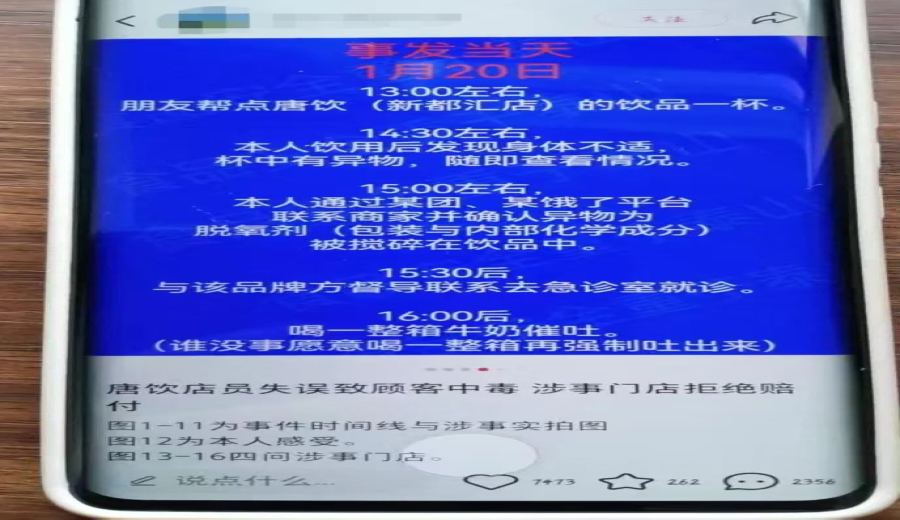
According to the individual involved, on the afternoon of January 20, after drinking a fruit tea smoothie purchased by a friend from the implicated chain tea shop, they immediately felt a noticeable foreign body sensation when swallowing and a burning discomfort in the stomach. Subsequently, in the vomit and the unfinished drink, a large amount of debris marked with the words "oxygen absorber" was found. These are commonly used oxygen-absorbing preservatives in food packaging but are not meant to be consumed directly.
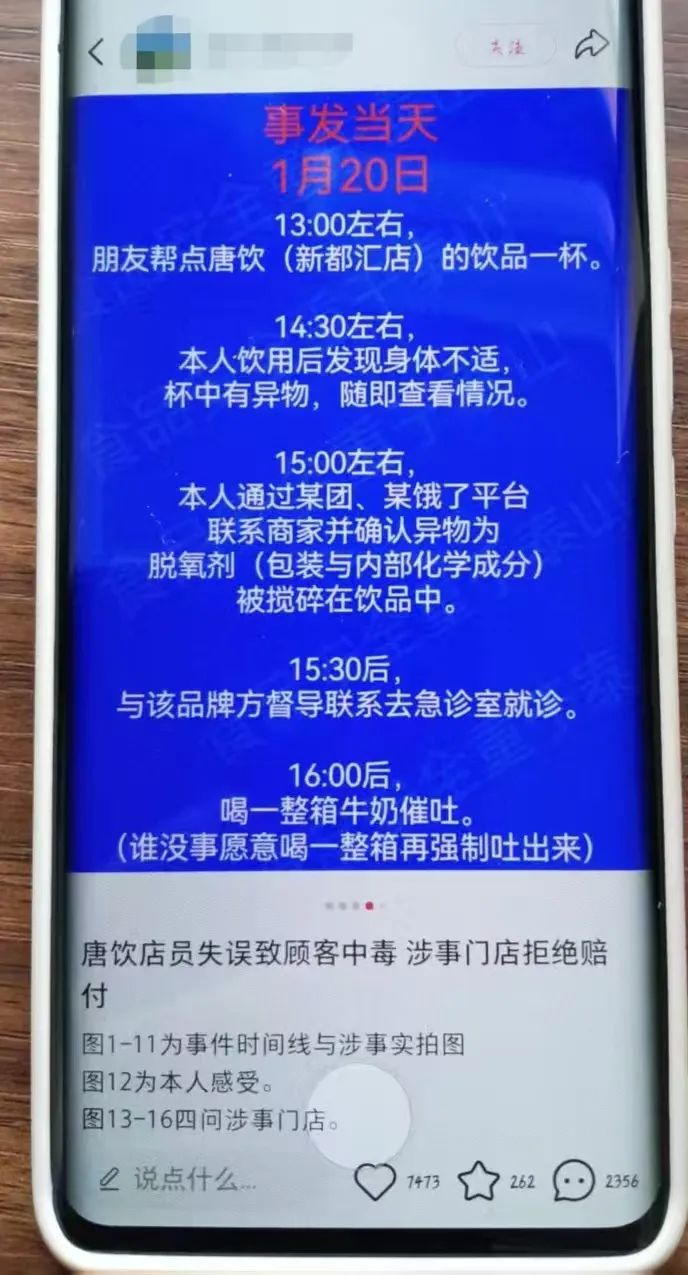
The consumer contacted the store through a third-party platform to report the issue. After an initial investigation, the business admitted that an employee had mistakenly mixed an entire bag of oxygen absorber (including the outer packaging and internal chemical substances) into the preparation ingredients, which were then blended together with other ingredients in a juicer. At 3:30 p.m. that day, the consumer and a brand supervisor went to the emergency room, where the doctor recommended immediately drinking milk to induce vomiting in order to reduce the irritation of the digestive tract caused by the oxygen absorber.
Accompanied by the brand supervisor, the consumer continued seeking medical treatment for two days and was ultimately diagnosed with chemical esophagitis. Notably, the merchant only covered medical expenses from January 20 to 22, and negotiations regarding subsequent treatment costs reached a deadlock.
In order to address potential follow-up treatment needs, the individual repeatedly took the initiative to contact the brand supervisor and store manager to discuss compensation, but never received a reasonable response. The brand supervisor also stated that their own coordination abilities were limited and they had difficulty pushing for a resolution to the problem.
On the afternoon of January 24, the consumer called the 12315 consumer complaint hotline to formally file a grievance. On the afternoon of January 26, 12315 called back to inform that the owner of the implicated store had stated via that channel a refusal to provide further compensation for the incident. On the morning of January 27, both parties conducted mediation at the Market Supervision Administration, but the store manager on the spot denied that the sold drink contained any oxygen absorber, and no consensus was reached in the mediation.
Due to the involvement of sensitive food safety issues, the incident garnered widespread public attention. On January 28, the official account of the tea beverage brand issued an apology letter, but the content merely stated that "an investigation is underway," without clearly acknowledging the responsibility of the store, nor detailing specific measures taken. Even more surprising, the apology letter was soon deleted after being published, and no public statements related to this incident can now be found through official channels.
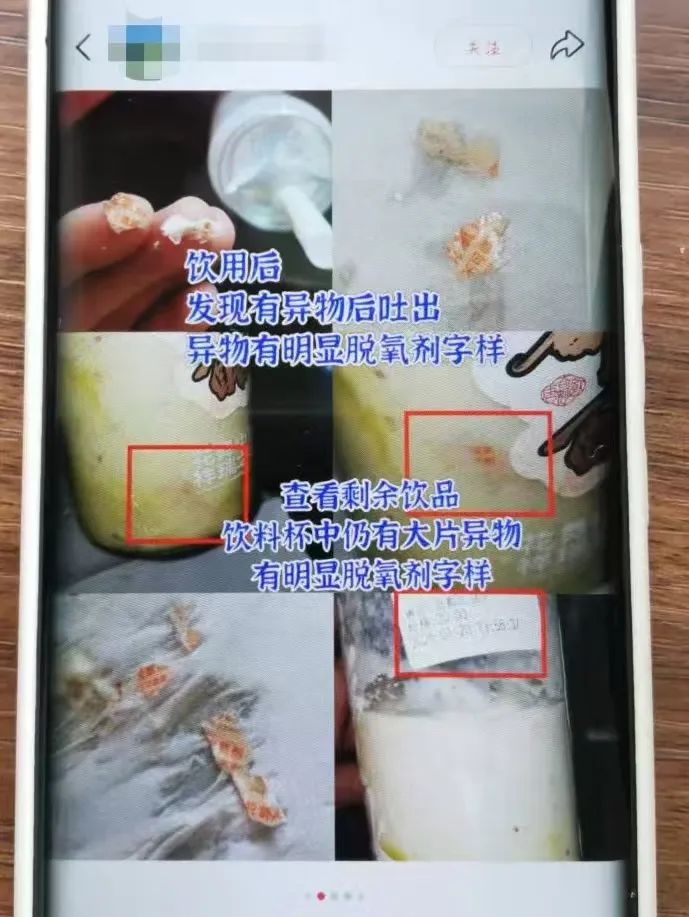
This incident highlights the importance of ingredient management in the production process of freshly made beverages. Oxygen absorbers are typically used inside food packaging to absorb oxygen and extend shelf life, but if accidentally mixed into beverages, their chemical components may irritate and damage the esophageal mucosa, potentially leading to chemical esophagitis in severe cases. When consuming freshly prepared drinks, consumers who notice any foreign objects or unusual tastes should immediately stop drinking, preserve evidence, and seek early medical examination.
Food safety is no small matter. Brands should establish stricter ingredient inspection and production monitoring mechanisms to prevent similar incidents from recurring. For consumers, understanding basic rights protection procedures and medical response measures is also an important part of safeguarding their own rights.
The above content is compiled by CoffeeHunters, a coffee news website.


