







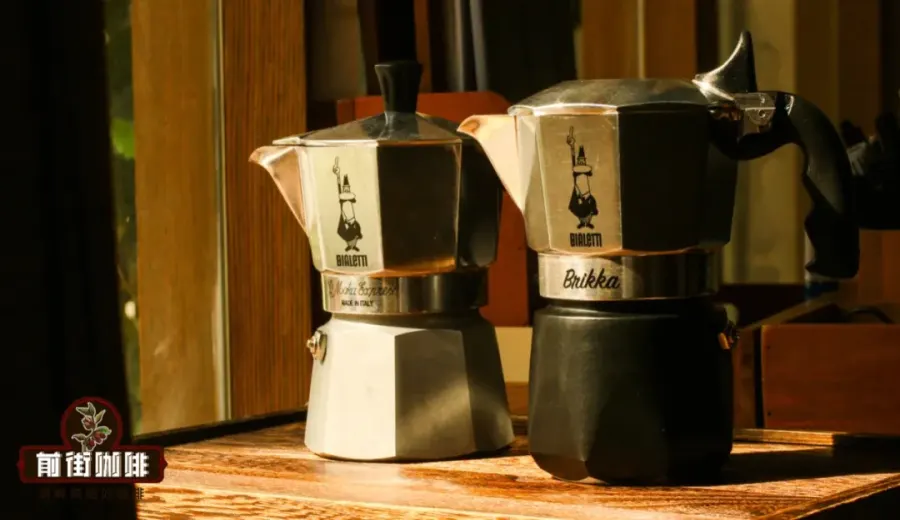
Introduction:After using a moka pot for a while, it’s common to notice the body turning black or developing spots due to oxidation—most often caused by improper cleaning. This article will delve into the correct cleaning methods for both aluminum and stainless steel moka pots, key points for daily maintenance, and how to effectively restore an oxidized and blackened pot. Mastering these practical tips not only extends the life of your moka pot but also helps preserve the original flavor of your coffee.
Many coffee enthusiasts who use moka pots may have encountered this issue: the once shiny pot body gradually develops black spots or dull patches—this is what’s known as “oxidation and blackening.” In reality, this isn’t a quality issue with the moka pot itself, but rather a result of improper cleaning and maintenance.
Among many users’ feedback, “What should I do if my moka pot turns black?” is a common question. This type of blackening is usually due to inadequate cleaning after use or the use of unsuitable cleaning products, especially noticeable in aluminum moka pots. Therefore, understanding the correct cleaning and maintenance methods is essential knowledge for every moka pot user.
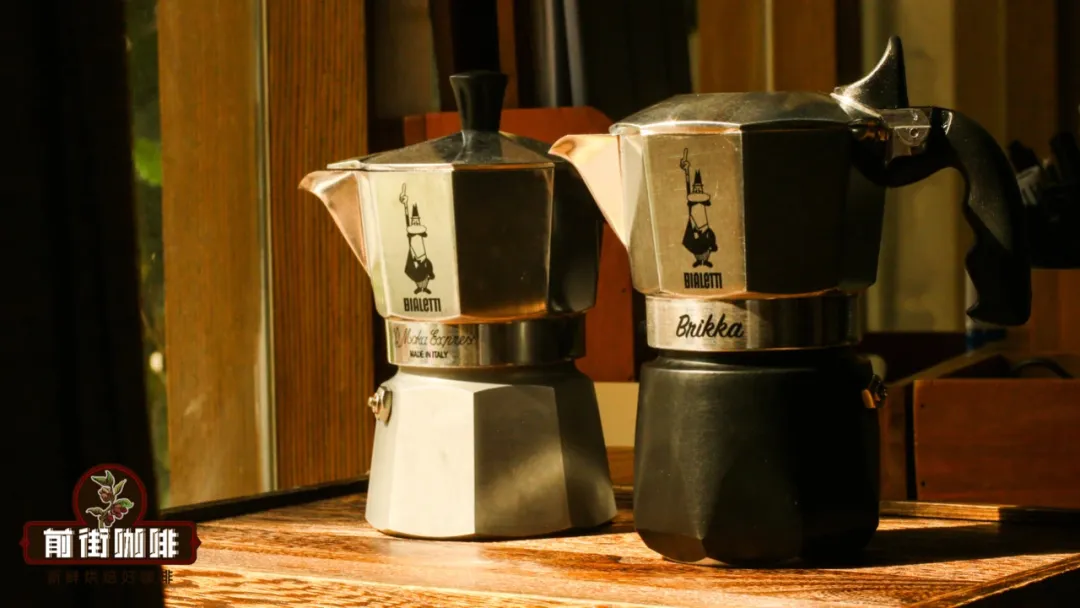
Currently, the mainstream moka pots on the market can be divided into two main types: aluminum and stainless steel. There are significant differences in their cleaning and maintenance. Especially for aluminum moka pots, due to the nature of the metal, they are highly prone to corrosion and oxidation if they come into contact with alkaline substances or chlorine in cleaning agents, which not only affects the appearance but may also cause the pot to absorb odors, thereby interfering with the aroma and taste of the coffee.
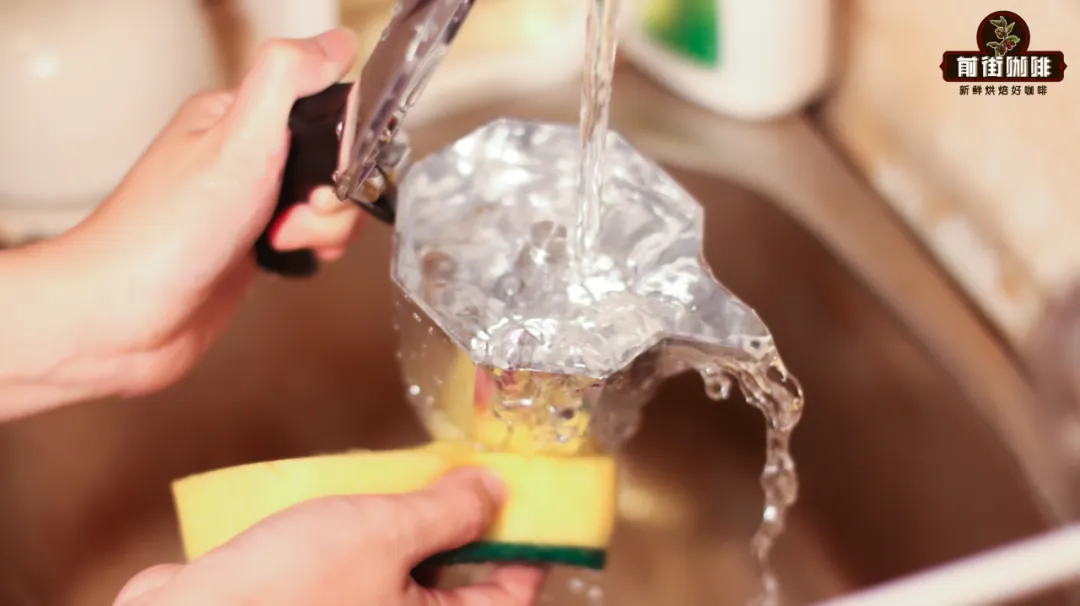
For aluminum moka pots, it is recommended toavoid using any dish soapand simply rinse with warm water. This approach can best prevent damage to the metal surface. Stainless steel moka pots, on the other hand, have a more stable material and can be cleaned with neutral detergent, but it is important toavoid letting the cleaning agent come into contact with the rubber gasket of the pot bodyto prevent it from aging prematurely, which could affect the seal and lifespan of the pot.
In addition, regardless of the material, you shouldnever use a steel wire ball or abrasive spongeto scrub the pot body, as this can easily scratch the surface and damage the protective layer, worsening the oxidation. After cleaning, also remembernot to reassemble the pot immediatelybut instead let all parts dry upside down to ensure complete internal dryness before reassembling, thus preventing moisture residue that could cause oxidation.

Apart from the main body of the pot, many people often overlook a crucial component during cleaning—the rubber gasket and filter. In fact, these two parts are very prone to accumulating coffee grounds and residual liquid, and rinsing them with just water often doesn’t clean them thoroughly. The correct approach is to remove the rubber gasket and filter for detailed cleaning.
The disassembly method is actually quite simple: just use a flat tool (do not use sharp objects), gently pry the inner edge of the rubber gasket to remove it, and the filter will also come loose. Only then can you thoroughly clean these parts where dirt easily accumulates. When reinstalling, also pay attention to the direction of the filter—the concave side faces inward, the convex side outward—otherwise it may lead to coffee leakage during brewing.
Additionally, the rubber gaskets of moka pots are consumable items. As usage increases, their elasticity and sealing ability gradually decline. If you notice obvious coffee leakage, it’s advisable to replace them in time. Generally,the service life of a rubber gasket is about one year, but this may vary depending on usage frequency, so regular inspection is recommended.
If your moka pot has already developed noticeable black oxidation—such as black spots or streaks—there’s no need to worry too much. According to product guidelines, moka pots are typically made from food-grade aluminum alloy, and normal use-related oxidation does not pose health risks.
However, if you wish to improve the appearance, you can try soaking the oxidized areas in a mixture of white vinegar or lemon juice and water for about an hour. This natural acidic solution can help dissolve some of the oxides and reduce the blackening. After soaking, be sure to rinse thoroughly with water and let it dry completely, which can effectively improve the appearance of the pot (actual effects may vary depending on the degree of oxidation).
In summary, the cleaning and maintenance of your moka pot is one of the key factors affecting its lifespan and coffee flavor performance. By mastering the correct cleaning steps, choosing the right cleaning methods, and paying attention to daily drying and upkeep, you can effectively avoid the problem of oxidation and blackening, keeping your moka pot in optimal condition for the long term and brewing rich, aromatic coffee.
One final reminder: always remember to clean your moka pot after use, andmake sure it is thoroughly dried, dried, and dried again—that’s the golden rule for extending the life of your moka pot.
The above content is compiled by CoffeeHunters, a coffee news website.


