







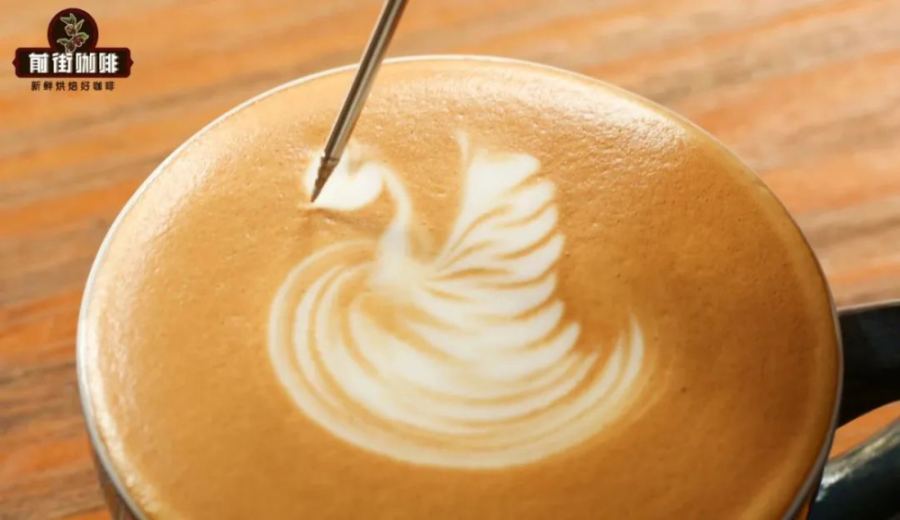
Introduction:Latte is the first step for many coffee beginners entering the world of espresso-based drinks, but when making it at home, they often encounter issues like overly bitter, too light, or even both bitter and weak flavors. This article deeply explores the standard espresso-to-milk ratios for hot and iced lattes, examines the reasons behind common flavor problems, and offers practical adjustment methods to help you master the balance of a latte—whether at home or in a café—so you can consistently brew a smooth and delightful milk coffee.
Latte is an entry-level drink for many people exploring espresso-based beverages. However, many face the dilemma of their homemade versions being either too bitter, too weak, or both. The key to a satisfying latte lies in the quality of the espresso extraction and the appropriate balance with milk. Starting from practical experience, this article details the standard ratios for hot and iced lattes, analyzes common issues like bitterness, blandness, or both, and provides specific guidance for adjustments—so you can easily recreate a well-balanced, flavorful latte at home.
Do you remember your first latte? Many are drawn in by its delicate latte art. Taking the first sip, you taste the slight bitterness and subtle sweetness from the crema, followed by the rich harmony between the bold coffee and velvety milk, ending with a creamy, chocolatey aftertaste. While everyone’s definition of a great latte may differ—some prefer a bold, intense flavor, others enjoy a milky balance, and some simply admire the beautiful design—there’s universal agreement on what makes a bad one: either too bitter, too weak, or both.
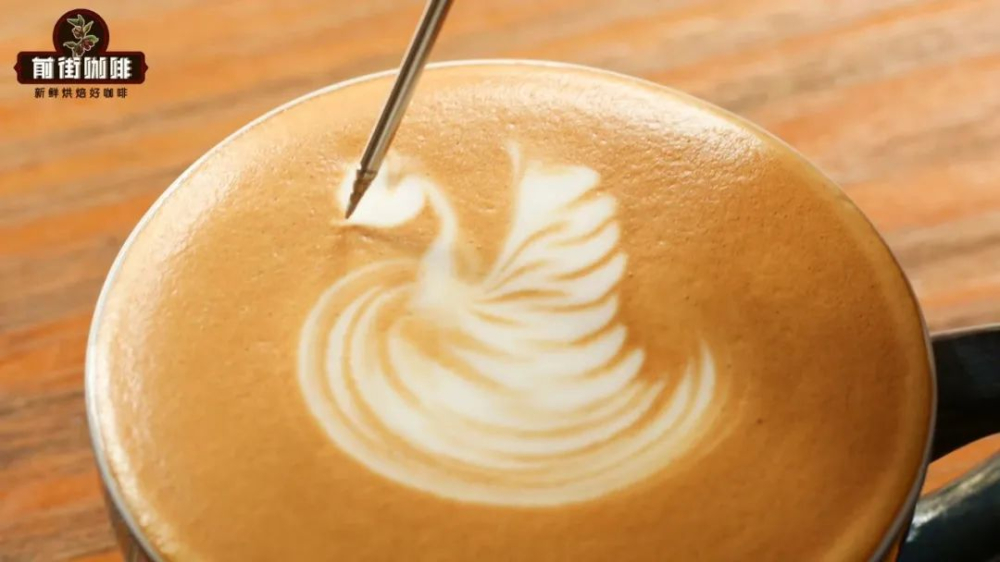
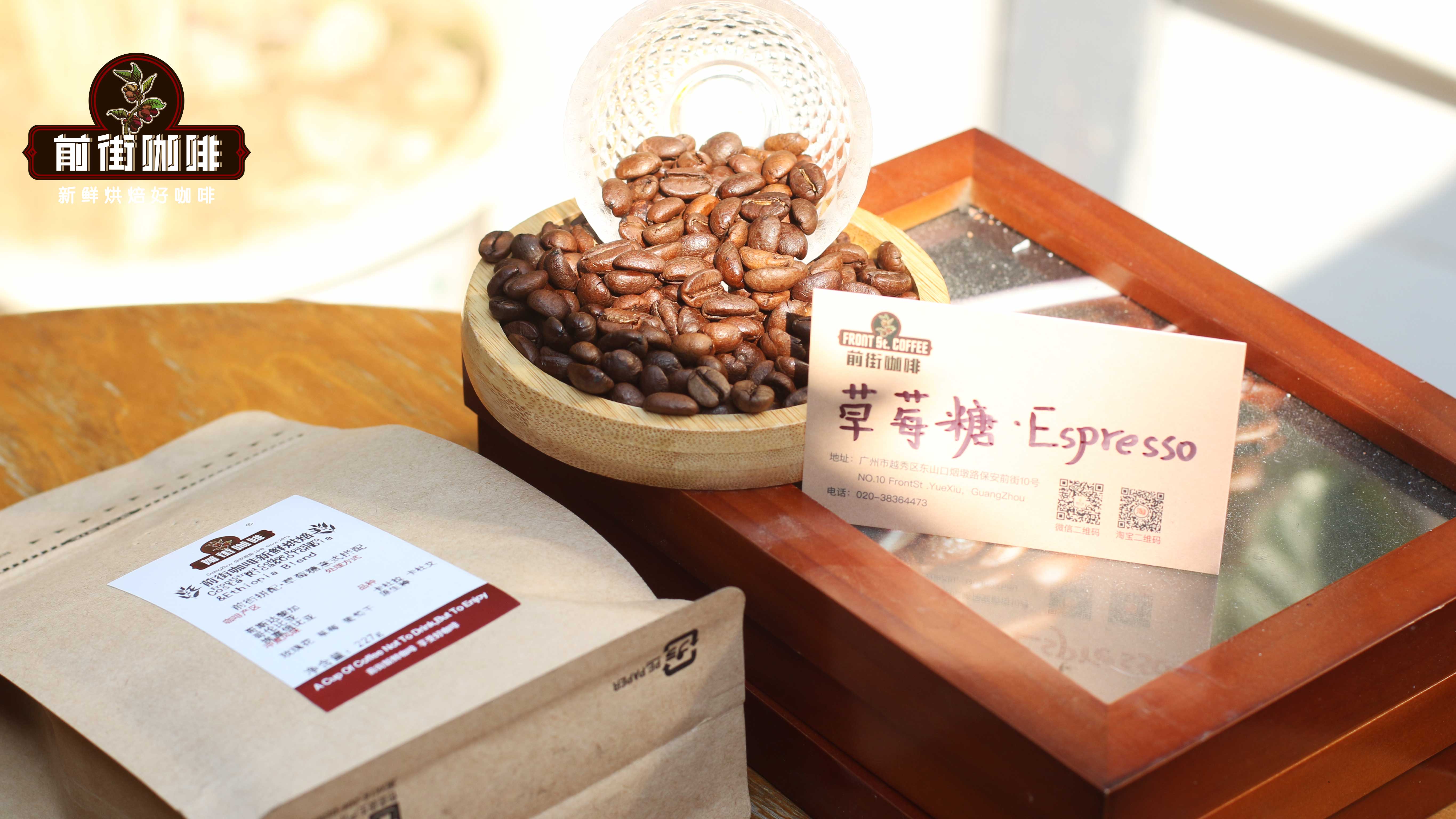
Common espresso blends used in cafés, such as the Black Cocoa blend recommended by one shop, are medium-dark roasted, combining Brazilian Red Bourbon and Yunnan small beans, delivering flavors of cocoa, nuts, and caramel cookies. These blends offer a smooth taste and good value, making them ideal for home lattes. If you prefer a milder flavor with less bitterness, consider a strawberry-sweet blend sourced from Costa Rica, Colombia, and Ethiopia, featuring aromas of rose, citrus, grapes, and dried blueberries. Even as an Americano, it can exhibit a sweet, fruit-gum-like profile.
In practice, it’s recommended to use a standard espresso extraction parameter of a 1:2 coffee-to-water ratio—that is, extracting about 2 grams of liquid per 1 gram of coffee grounds—with a brewing time controlled between 25 to 35 seconds. For example, using a double-shot basket with 20 grams of coffee should yield 40 grams of espresso in 27 to 33 seconds, ensuring a stable extraction without channeling, splashing, and with an even flow rate.
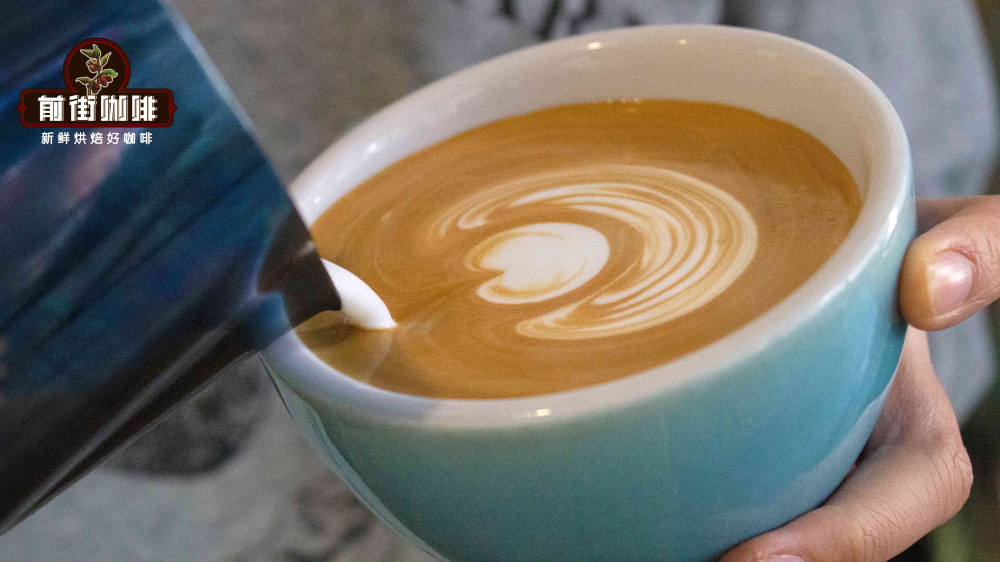
When making a hot latte, it’s suggested to use a 1:5.5 ratio of espresso to milk—that is, 20 grams of espresso with 220 milliliters of fresh milk. Heat the milk to 55–65°C and texture it to a fine microfoam about 0.3–0.5 cm thick, then combine it thoroughly with the espresso. Pour it into a ceramic cup, and you can add latte art if desired. For an iced latte, start with 3 ice cubes, maintaining a 1:5 coffee-to-milk ratio by first pouring 200 grams of fresh milk and then adding 40 grams of espresso. This preserves a clear layered effect while delivering a crisper, more refreshing taste.
As long as you get the coffee bean selection, espresso extraction parameters, and milk ratio right, making a smooth latte isn’t difficult. Conversely, if your latte turns out too bitter, too weak, or both, the issue likely lies in one of these key areas. Next, we’ll break down the causes of these common problems and how to fix them.
First, why does a latte sometimes taste noticeably bitter? Generally, due to the large amount of milk, a latte isn’t inherently very bitter—but if you’re experiencing prominent bitterness, or even a complete loss of aroma, the problem is usually with the espresso extraction or the roast level of the beans. Most common espresso blends are medium-dark to dark roasted to preserve the coffee’s body and balance, rather than introducing harsh bitterness. The real culprit behind a bitter latte is typically over-extraction—for instance, a slow flow rate (over 35 seconds), channeling, or splashing from the coffee stream leading to localized over-extraction.
One user reported that, despite using the usual parameters and ratios, they suddenly produced an extremely bitter, aroma-less latte. Upon inspection, a hole was found in the coffee puck, likely caused by clumping that created channeling and over-extracted part of the coffee. Solutions include adjusting grind size or breaking up clumps beforehand to ensure even extraction.
So what causes a latte to taste watery or weak? The richness of a latte comes mainly from the combination of milk and espresso, with milk playing a particularly crucial role. It’s recommended to use whole milk because of its higher fat content, which results in richer, more stable microfoam and gives the coffee a fuller mouthfeel. Additionally, using single-origin beans with a light roast (such as SOE) for lattes can lead to under-extraction, resulting in weak flavors that even milk can’t mask. There have been cases where a lighter-roasted Huakui 8.0 was used for an SOE latte—reducing the milk ratio still left it tasting like spicy hot milk. The issue was the need for more precise extraction conditions for light-roast beans.
If you prefer beans with prominent fruity notes, it’s advisable to choose corresponding SOE blends and adjust the milk ratio appropriately to highlight their best flavors and avoid ending up with something dull and insipid.
Finally, if you end up with a latte that’s both bitter and weak—a conflicting flavor profile—this is usually related to a darker roast and improper extraction ratios. Dark roast beans often carry smoky, woody, and off notes. Using an excessively high extraction yield—like 18 grams of coffee yielding 40 grams of liquid (a ratio of about 1:2.22)—not only over-extracts the coffee and makes it bitter, but the increased liquid weight also raises the water proportion, lowering overall concentration and creating that unpleasant bitter-yet-weak outcome.
It’s recommended to try reducing the yield, such as aiming for just 35 grams of liquid, which not only lowers the risk of over-extraction but also increases coffee concentration, resulting in a thicker, better-balanced latte.
The above content is compiled by CoffeeHunters, a coffee news website.


