








Introduction:In recent years, the rising price of coffee beans has made "beanless coffee" a new favorite in the market. But how can a drink without any actual coffee beans still deliver that rich coffee aroma? This article delves into the historical origins of beanless coffee, its common alternative ingredients, and breaks down the source of "coffee flavor" from a roasting science perspective — helping you understand the similarities and differences between beanless coffee and traditional coffee at a glance, and expanding your coffee knowledge.
With global green coffee bean prices climbing steadily in recent years, some coffee shops in South Korea have introduced a new type of beverage that uses no coffee beans at all — "beanless coffee," sparking considerable online discussion. This emerging drink is marketed as "no beans, but still coffee-flavored," leaving many consumers curious: without using coffee beans, how does this beverage manage to replicate the familiar coffee taste we know?
Simply put, beanless coffee is a beverage made from non-coffee bean ingredients as the base, which undergo specific processing and roasting to produce a drink with similar coffee aroma and mouthfeel. Though it may sound novel, this method actually dates back hundreds of years and isn’t a recent invention.

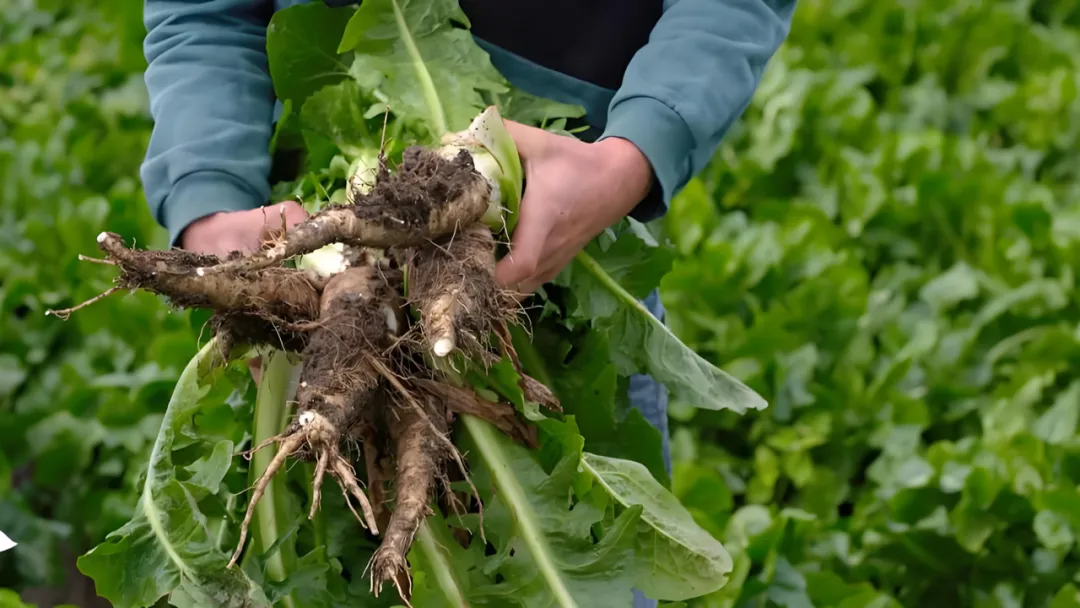
For example, in the early 19th century, due to Napoleon’s issuance of the Berlin Decree, trade between continental Europe and Britain was cut off, leading to a shortage of coffee beans. By that time, coffee had already become deeply embedded in European daily life, and even Napoleon himself found it hard to give up his attachment to coffee. Faced with this situation, he opted to replace coffee beans with chicory root (Chicory).
Chicory root is a plant root, brown in color, that releases a slightly bitter white juice when broken. This ingredient, after being roasted and ground, can be mixed with hot water using brewing methods of the time, and eventually filtered into a drink with a strong bitterness and a flavor resembling coffee. Although the raw materials are entirely different, through appropriate roasting techniques, chicory root can also emit aroma characteristics similar to dark-roasted coffee.
It’s worth mentioning that using chicory root as a coffee substitute didn’t originate with Napoleon. As early as the 18th century in Germany, factories were already producing such alternatives, which can be considered an early prototype of beanless coffee. Over time, during periods of coffee bean shortages, other grains or plant seeds such as burdock, chrysanthemum seeds, yellow nutsedge, flat bean, figs, and date pits were also used as coffee substitutes to create beverages with a "coffee-like" taste.
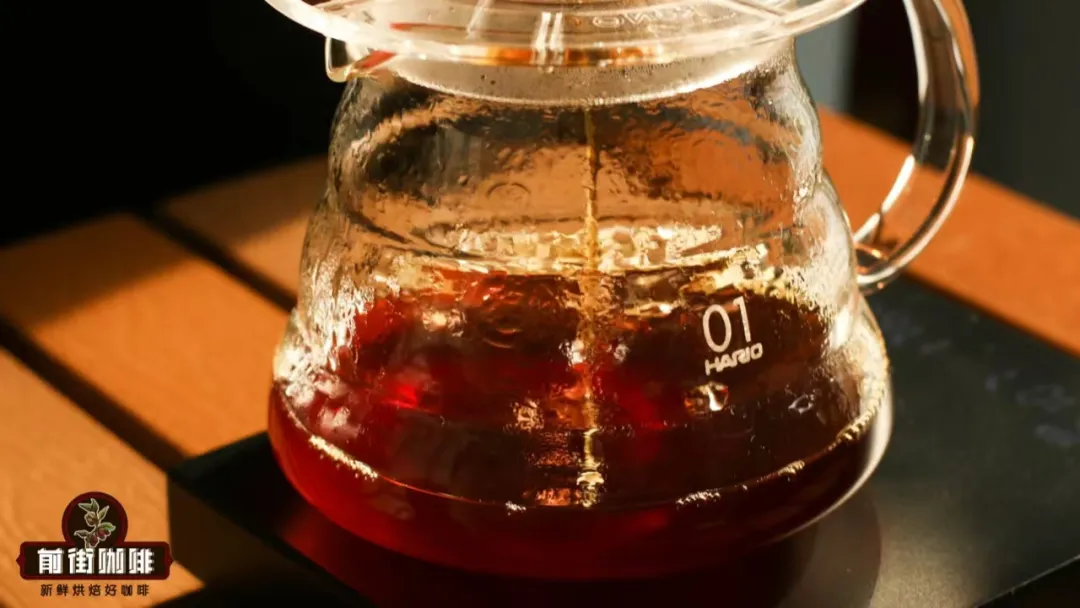
At this point, you might wonder: if no coffee beans are used at all, why does the final beverage still have that familiar coffee aroma? The key lies in the "roasting" process.
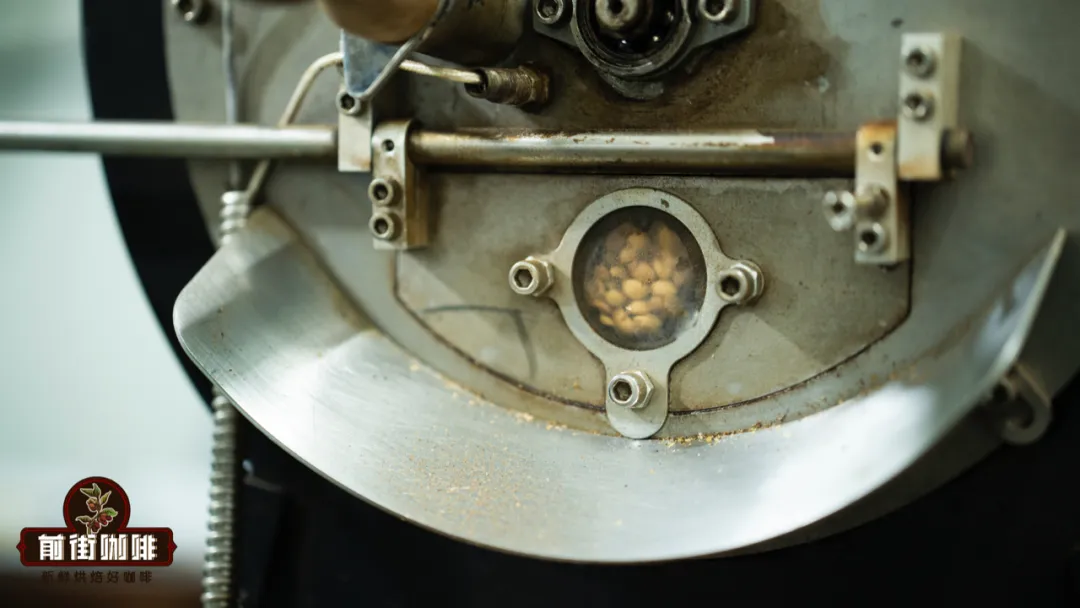
In fact, the "coffee flavor" we’re familiar with largely comes from the "roasted flavors" produced during the roasting process. These aromas mainly result from the Maillard reaction and caramelization, generating aromatic compounds such as furans (which bring caramel sweetness) and pyrazines (which evoke nutty, roasted notes). Interestingly, these reactions don’t only occur in coffee beans — other ingredients like grains and bread also produce similar volatile aromatic molecules when subjected to high-temperature roasting.
Additionally, the roasting process also forms melanoidins, polymers that darken the surface of ingredients, which is the main reason dark-roasted coffee appears black. In other words, by using suitable substitute ingredients and applying similar roasting conditions, the final product can closely resemble traditional coffee in both color and aroma.
In the past, due to limitations in roasting technology and coffee bean quality, many coffee products were heavily dark-roasted — not only to mask some of the flaws in the raw materials, but also to enhance these roasted aroma characteristics. Today’s beanless coffee, while still primarily using traditional substitutes like chicory root, is gradually incorporating more grains and plant-based ingredients, paired with precise roasting profiles, resulting in a product that is not only richer in flavor but also better aligned with the taste expectations of modern consumers.
In summary, the reason beanless coffee can deliver a coffee-like flavor and color is mainly due to the use of substitute ingredients rich in similar compounds, and the triggering of Maillard and caramelization reactions through high-temperature roasting, producing aromatic substances very similar to those in coffee. Although this beverage contains no caffeine and no actual coffee beans, it can indeed simulate many characteristics of traditional coffee in terms of aroma, taste, and appearance.
For readers interested in understanding the origins of coffee flavor or exploring alternative beverages, beanless coffee is not only a fascinating topic but also helps us understand from a scientific angle how roasting chemistry influences the overall performance of a beverage. With a deeper understanding of these principles, you’ll be better equipped to make informed choices when selecting coffee or trying emerging drinks in the future.


The above content is compiled by CoffeeHunters, a coffee news website.


