








Introduction:The hot latte is a classic assessment item in specialty coffee shop interviews, testing a barista’s mastery of espresso extraction, milk foam texture, and blending techniques. This article dissects the key steps in making a hot latte in depth—from precisely controlling milk temperature (recommended at 55–65°C), adjusting milk foam fineness, to latte art blending methods—and analyzes common issues such as uneven extraction or overly coarse milk foam, along with solutions to help job seekers and coffee enthusiasts master this foundational yet decisive skill.
In the job application process at specialty coffee shops, making a hot latte is almost a mandatory test for every candidate. Although the practical test details may vary slightly from shop to shop, the core evaluation always revolves around three elements: whether one can steadily extract an espresso with balanced flavor, whether one can produce velvety-smooth microfoam, and ultimately how to perfectly blend the two for presentation.

Among these, precise control of milk temperature is crucial. The ideal temperature for hot latte milk should be between 55 and 65 degrees Celsius. Too high can cause protein denaturation, making the foam rough, while too low fails to fully bring out the sweet aroma of the milk. It is recommended to use a professional thermometer for confirmation, or judge by the change in the steam wand sound—when the steam sound becomes low and steady, it usually indicates you are nearing the appropriate temperature range.

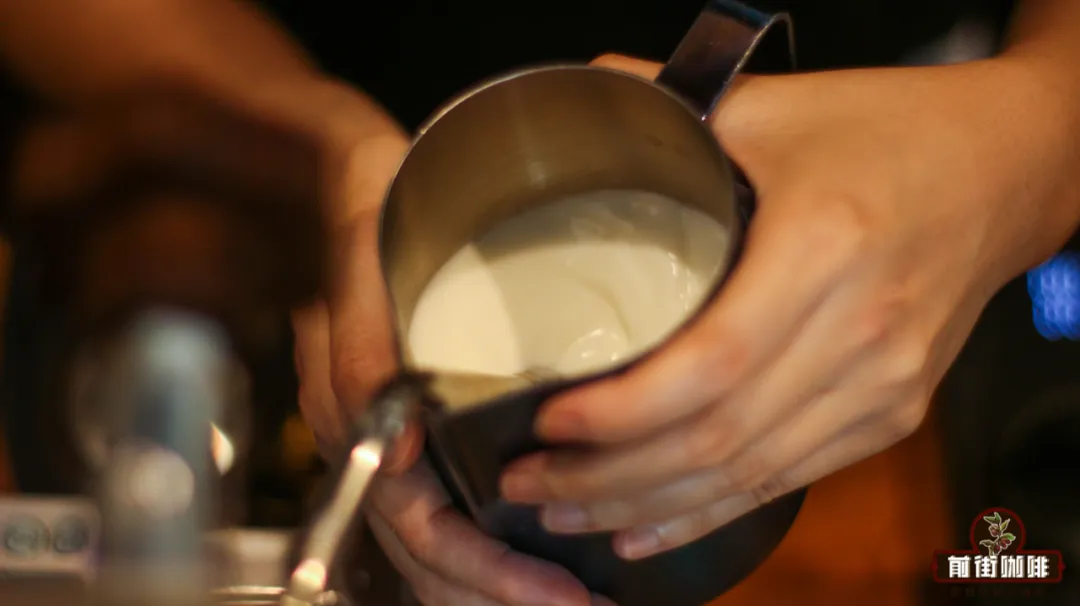
The quality of the milk foam directly affects the taste of the drink. High-quality milk foam should have a fine, uniform structure of tiny bubbles, with a smooth surface and no noticeable large bubbles. During operation, pay attention to the angle of the steam wand entering the milk (recommended at a 10–15 degree angle to the liquid surface). First inject air to form a microfoam base, then go deeper to stir the milk fat. A common beginner mistake is steaming for too long, resulting in overly thick foam; the ideal thickness should be a fluffy layer of about 3–5 centimeters.
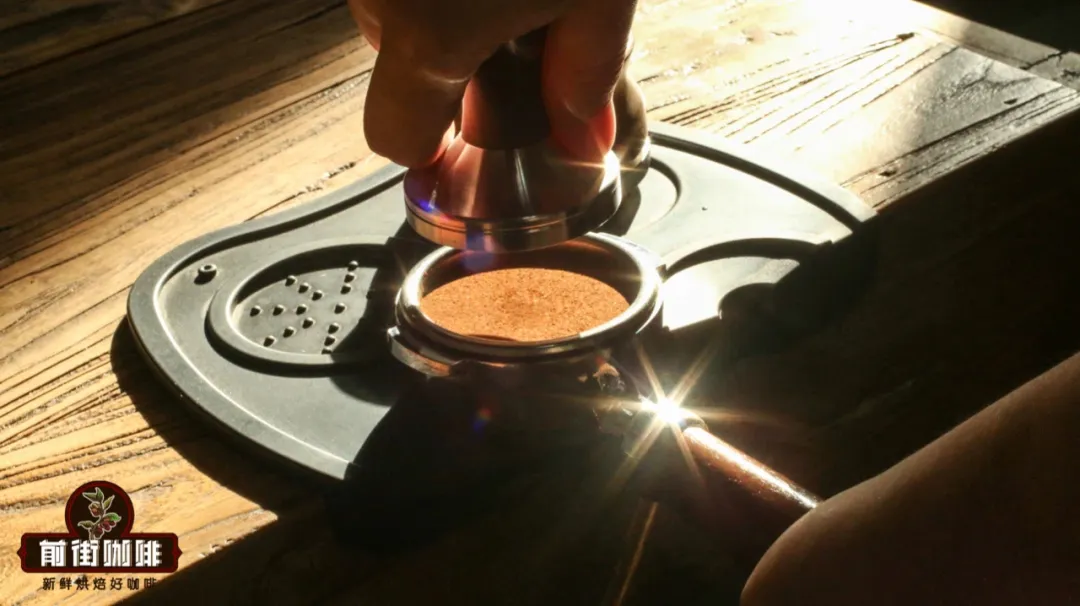
Espresso extraction parameters are equally important. It is recommended to use a medium-fine grind (with a texture similar to sea salt), with about 18–20 grams of coffee grounds, extraction time controlled at 25–30 seconds, aiming to produce 36–40 grams of espresso. Under-extraction leads to obvious coffee acidity and astringency, while over-extraction results in prominent bitterness. Adjustments should be made in real time by observing flow rate and color changes.
Blending technique is what distinguishes professionals from amateurs. When pouring the steamed milk at a 45-degree angle into the espresso, maintain a swirling vortex to ensure even mixing. The starting pour point is recommended to be slightly to the right of the center of the cup. As the liquid level rises, gradually expand the circle. Ultimately, this creates a distinct amber core and a gradient of milk foam.
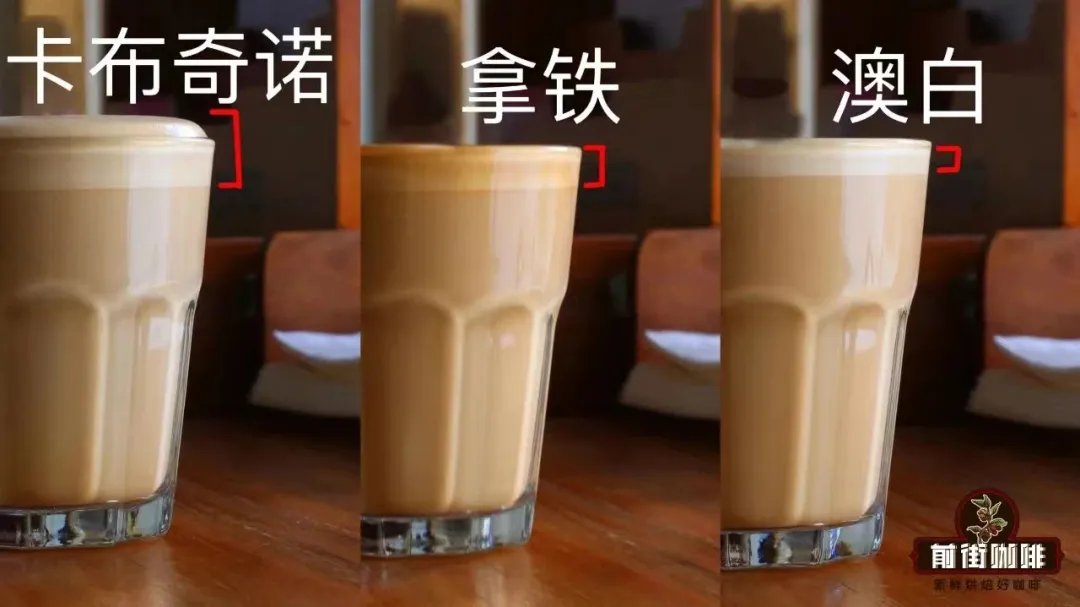
Common mistakes include overly coarse milk foam leading to a rough drink texture, excessively high milk temperature causing loss of caramelized flavors, or an imbalance in the espresso-to-milk ratio (the ideal ratio is approximately 1:3 to 1:5). Solutions start with basic equipment calibration: regularly clean steam wand scale buildup, check grinder consistency, and cultivate muscle memory through repeated practice.

Professional baristas are also observed for hygiene habits and operational procedure standards during interviews, such as promptly cleaning the steam wand after use, and properly returning items on the bar counter. These seemingly minor details actually reflect a barista’s professional attitude and teamwork ability.
Mastering the essence of making a hot latte not only improves your chances in interviews but also serves as a foundational lesson in understanding coffee flavor balance. From parameter control to sensory judgment, every step is worth delving into deeply, laying a solid foundation for future challenges with more complex coffee beverages.
The above content is compiled by CoffeeHunters, a coffee news website.


