







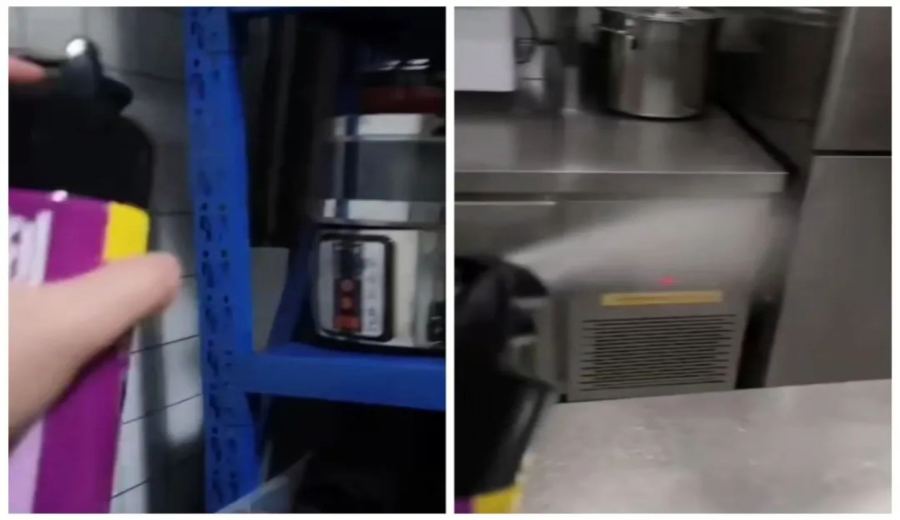
Introduction:A recent incident at a bubble tea shop in Shanghai, where an employee used insecticide to clean the operational area without covering food ingredients, has sparked a major food safety controversy. This event not only exposed common disinfection misconceptions in the foodservice industry but also raised consumer concerns about the risk of chemical residues. This article delves into the correct pest control procedures, offering professional-grade protective measures and regulatory standards to help practitioners avoid high-risk practices.
A video taken in the back area of the bubble tea shop recently caused an uproar on social media. The footage shows an employee spraying insecticide intensively on the preparation area, water dispenser, and even ingredient shelves, with key food zones entirely left unprotected. This food safety-endangering cleaning method quickly prompted regulatory authorities to step in and investigate.
According to investigators, the involved outlet was ordered to suspend operations for rectification, and the brand’s headquarters also suspended the relevant personnel. Experts emphasize:Pest control in foodservice environments must strictly distinguish between food-contact and non-food-contact surfaces.Commonly used insecticides, if left residue on countertops, can potentially enter the beverage production process through cross-contamination.
Industry insiders reveal that reputable chain brands typically hire professional pest control companies and adopt food-grade environmental sanitation solutions. The standard procedure generally includes: removing all ingredients after closing, covering equipment with dustproof cloths, using low-volatility chemicals, having certified personnel operate fogging devices, and ensuring at least two hours of ventilation time.
Common consumer misconceptions include “the stronger the insecticide, the cleaner it is” or “it’s safe as long as you wipe it right after spraying.” In reality,most synthetic pyrethroid-based agents require 48 hours to fully decompose,and common mosquito coil liquid ingredients may also interfere with the flavor compounds of coffee beans. Professional advice suggests opting for physical pest prevention methods, such as UV mosquito traps combined with sealed storage.
Public information from the Hongkou District Market Supervision Bureau in Shanghai shows that such cases require testing three indicators: the concentration of chemical residues, the contamination status of food-contact surfaces, and the staff’s operational training records. Violating shops, once caught, not only face fines but may also be placed on the food safety priority monitoring list.
For independent coffee shops or small beverage outlets, it is recommended to establish three lines of defense: commissioning qualified vendors for monthly environmental disinfection, performing dedicated daily cleaning of ingredient areas after business hours, and keeping food-grade pest prevention supplies on hand. Particular attention should be paid to the warning labels on insecticide products stating “prohibited for use in food processing areas,” and when purchasing, one should look for an environmental pesticide approval number authorized by the Council of Agriculture.
The above content is compiled by CoffeeHunters, a coffee news website.


