







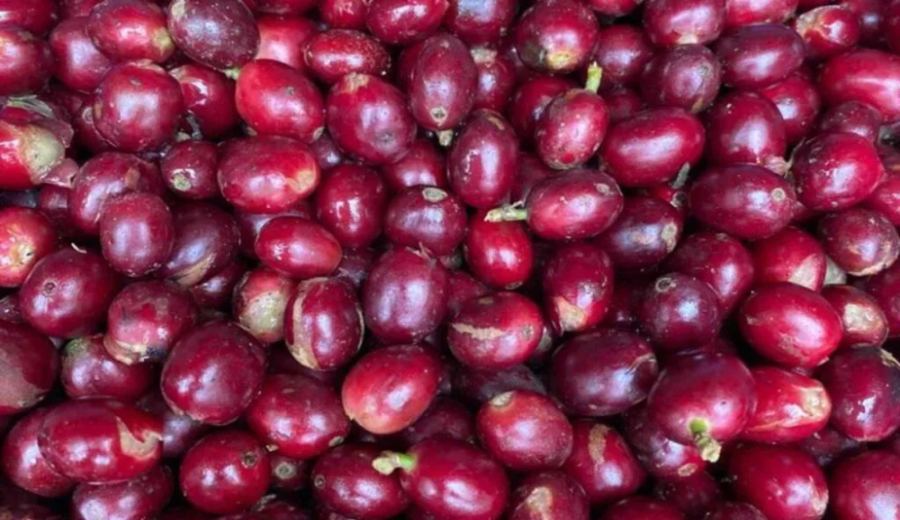
Introduction:Typica Mejorado is a rising star among specialty coffee varieties in Ecuador in recent years. Although its name includes "Typica" (Ironica), it is not genetically related to traditional Typica. This variety, a hybrid of Red Bourbon and an Ethiopian landrace, is not only highly resistant to pests but also shone brightly at Ecuador’s first-ever COE (Cup of Excellence) competition in 2021, securing multiple high rankings. This article delves into its breeding background, genetic identification, competition achievements, and unique flavor profile to help you better understand this rare and worthwhile coffee bean.
Typica Mejorado (Improved Typica) is one of the representative specialty coffee varieties in Ecuador. Despite the word "Typica" in its name, it has no direct genetic relation to traditional Typica. This variety was developed in Pichincha Province, Ecuador, through a coffee breeding research project originally established by Nestlé. It is actually a hybrid offspring of Red Bourbon and an Ethiopian landrace. Due to its outstanding pest resistance and relatively stable yield, it has gradually gained favor among local coffee farmers.
In Spanish, "Mejorado" means "improved" or "upgraded," so Typica Mejorado can be understood as a selectively bred and optimized variety. It is also sometimes transliterated as "Mei He La Duo." This variety, along with another well-known Ecuadorian variety—Sidra—originates from the coffee breeding center in Pichincha Province. The center primarily focuses on crossing Ethiopian landraces with locally popular varieties such as Typica and Bourbon, aiming to develop new varieties that are better adapted to the local environment, more disease-resistant, and richer in flavor.
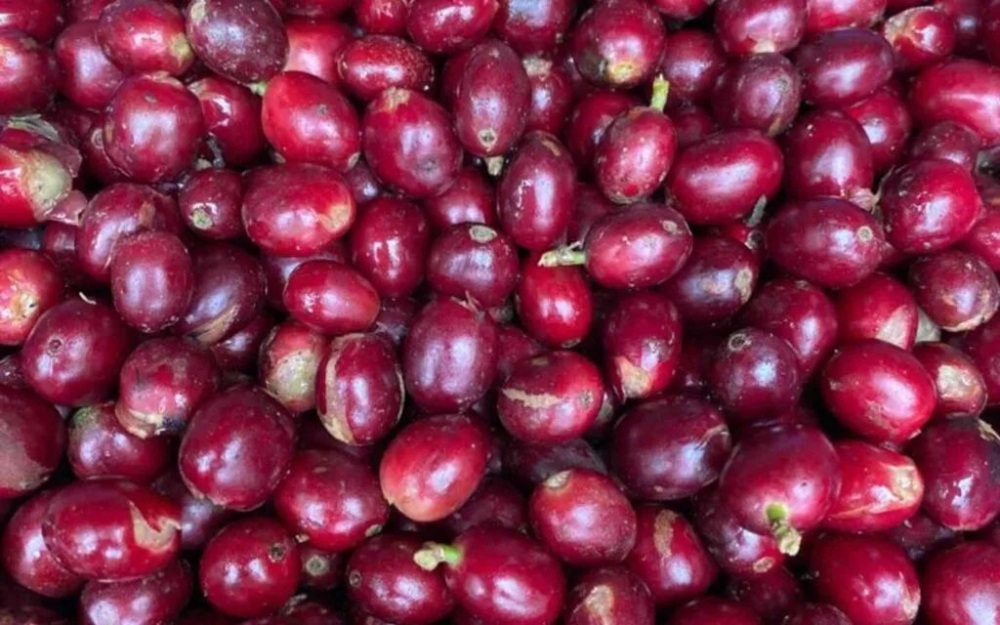
Ecuador is already an important growing region for Typica, yet many coffee farmers have long faced issues such as low yields and susceptibility to diseases with traditional Typica. Typica Mejorado and Sidra were born around the same time, and due to their stronger resistance to pests and diseases, they quickly gained a reputation within the local farming community. Interestingly, in the early days, many people mistakenly believed Typica Mejorado was a natural or simple cross between traditional Typica and Bourbon, and thus did not pay it special attention.
The turning point came in 2021, during Ecuador’s first COE (Cup of Excellence) competition. Among the 23 winning coffees that scored over 87 points, Typica Mejorado took 10 spots, including 1st, 3rd, 4th, 7th, and 10th places in the top 10. Such outstanding results instantly turned this previously obscure variety into the center of attention.
By the 2022 COE in Ecuador, Typica Mejorado was sharing the spotlight with the equally prominent Sidra, with the two varieties accounting for 42.86% and 32.14% of the auction lots, respectively. This market performance rapidly propelled Typica Mejorado to fame in the global specialty coffee scene, making it a sought-after variety for many roasters and baristas.
One notable example is Finca La Papaya in Ecuador, which won awards with its Typica Mejorado beans. A lot from this farm once scored as high as 92 points in cupping, demonstrating its exceptional quality potential. Later, genetic testing conducted by the World Coffee Research (WCR) confirmed that Typica Mejorado has no direct genetic link to traditional Typica, and its true lineage is a cross between Red Bourbon and an Ethiopian landrace.
In terms of flavor, Typica Mejorado exhibits a richer and brighter profile compared to traditional Typica and Bourbon. Its citrus notes are clearer and more vibrant, accompanied by delicate floral and fruity aromas. The acidity is bright yet not sharp, the sweetness is full-bodied and layered, and the overall flavor structure showcases intense tropical fruit and floral notes. The mouthfeel is juicy with a long-lasting aftertaste, making it highly appealing to coffee lovers who enjoy distinct fruitiness and a balanced sweet-and-acid profile.
For coffee enthusiasts looking to try brewing this bean using pour over methods, it is recommended to use a medium-light roast to preserve its lively acidity and fruity notes. A medium-fine grind (similar to granulated sugar) is suitable. Suggested brewing parameters are as follows: water temperature around 90–93°C, coffee-to-water ratio of 1:15 to 1:16, using a pulse pouring technique (e.g., for a 30g espresso dose, bloom with 50g water for 30 seconds, then pour up to 225g total). This approach effectively highlights the details of its citrus, floral, and sweet characteristics.
The above content is compiled by CoffeeHunters, a coffee news website.


