







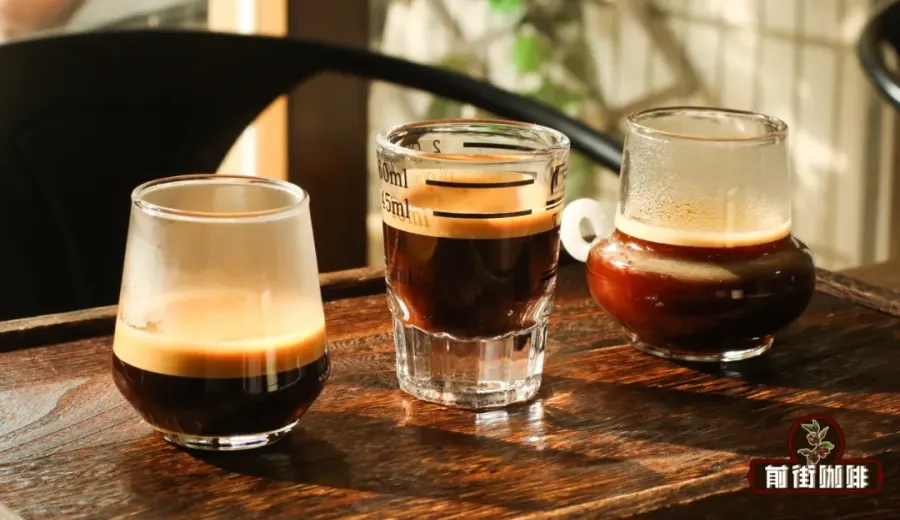
Introduction:As the soul foundation of espresso-based drinks, even subtle changes in how espresso is extracted can significantly impact its flavor profile. This article delves into the differences between three classic extraction styles—Ristretto (short shot), Normale (standard), and Lungo (long shot). We break down variables such as extraction time, liquid volume, concentration, and ideal use cases, while also offering practical parameter suggestions and common pitfalls to avoid. Whether you’re brewing at home or evaluating your drink, this guide will help you master the unique traits of each style and steer clear of overly sour or bitter extractions.
Espresso serves as the cornerstone of Italian-style coffee beverages. However, many people have only a vague understanding of the differences among Ristretto (Ristretto, short shot), Normale (standard extraction), and Lungo (long shot). Not only do their flavor profiles vary greatly, but their actual applications also come with specific considerations. Understanding their extraction logic and characteristics allows you to choose the most suitable espresso base based on different beverage needs.
Ristretto is the shortest in extraction time and lowest in liquid volume among the three. It typically uses the same amount of coffee grounds as a standard shot but yields only about half the liquid (approximately 15–20 ml). Due to the shorter contact time, the extracted compounds are mainly acidic aromatic substances, resulting in a more concentrated and vibrant flavor. However, if the parameters aren’t well controlled, it can easily turn out overly sour or thin. This style is best suited for drinks that emphasize a refreshing profile, such as the Flat White, and is considered by many baristas as the “essence version” of espresso.
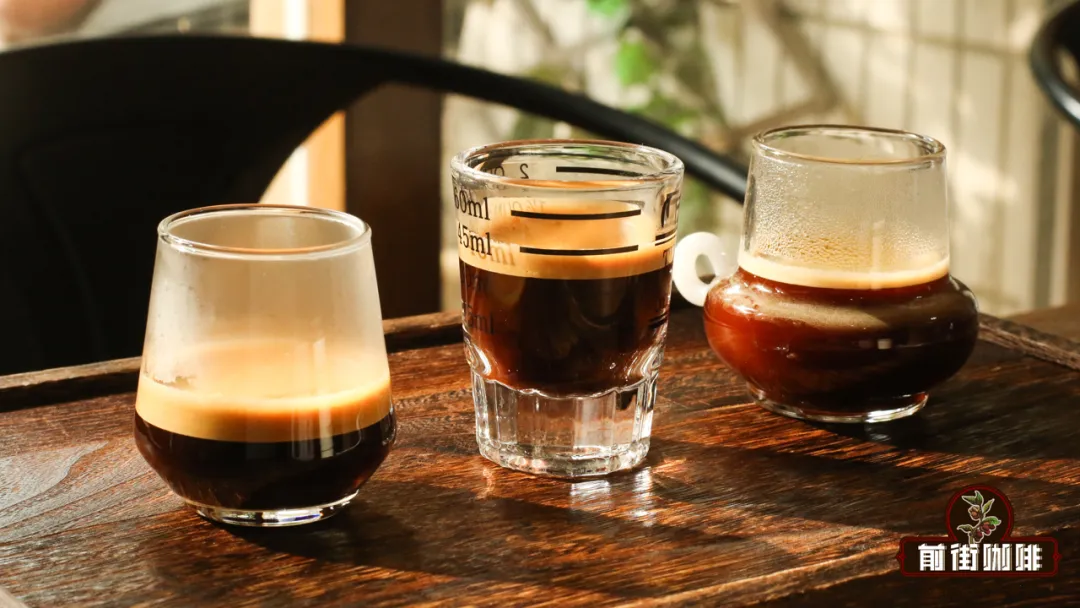
Normale, commonly referred to as standard espresso, is the most prevalent base style. It generally uses 7–9 grams of coffee grounds, extracted under 9–10 atmospheres of pressure to produce around 30 ml of espresso in approximately 25–30 seconds. These extraction conditions achieve a relatively balanced ratio of acidity, sweetness, and bitterness, making it suitable for most classic espresso-based drinks such as Latte and Cappuccino. It’s also the default or recommended extraction mode on most home machines. Mastering the parameters of Normale is the foundation for exploring other variations.

Lungo is the version with extended extraction time and higher liquid output. It also uses 7–9 grams of coffee grounds, but the extraction time is extended to around 30–40 seconds, and the final liquid volume can reach 50–60 ml. While some may think of Lungo as just “a bit more extracted espresso,” the increased extraction time actually releases more bitter compounds and larger molecular substances, resulting in a bolder and more bitter taste overall. If you enjoy a strong flavor without it being overly intense, you can try this version—but be mindful of adjusting the coffee-to-water ratio and grind size; otherwise, over-extraction can easily lead to flavor imbalance.
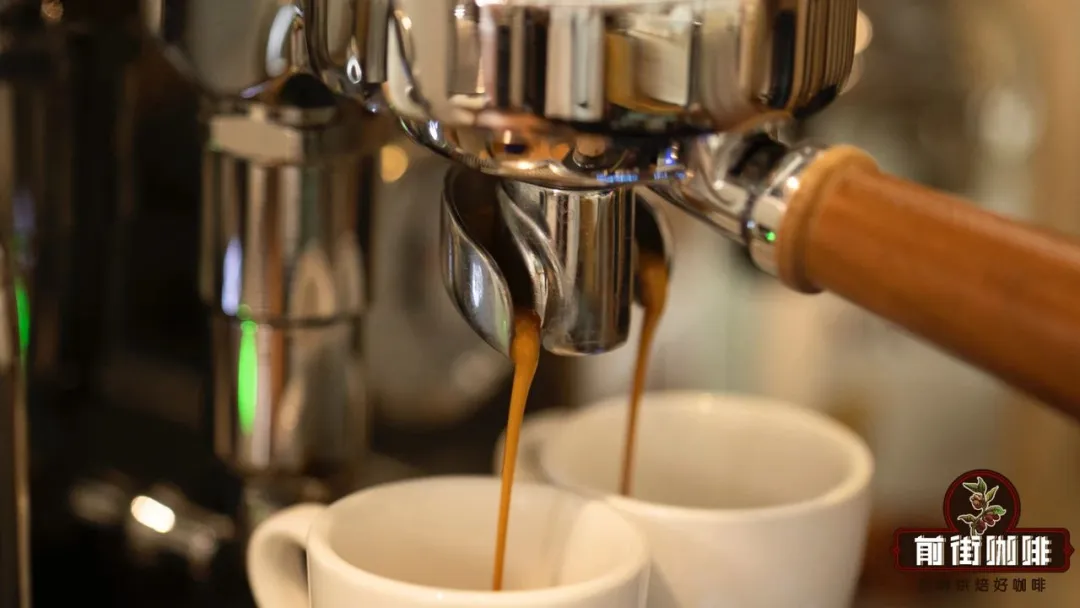
In fact, many home coffee enthusiasts report that when trying to make Ristretto and Lungo, they often end up with flavors that fall short of expectations: Ristretto tastes too sharp or thin, while Lungo tends to be overly bitter and lacks complexity—even feeling that pouring out part of a standard shot or diluting it with water results in a better-tasting drink. This actually reflects insufficient control over extraction parameters such as grind fineness, water temperature, pressure, and time.
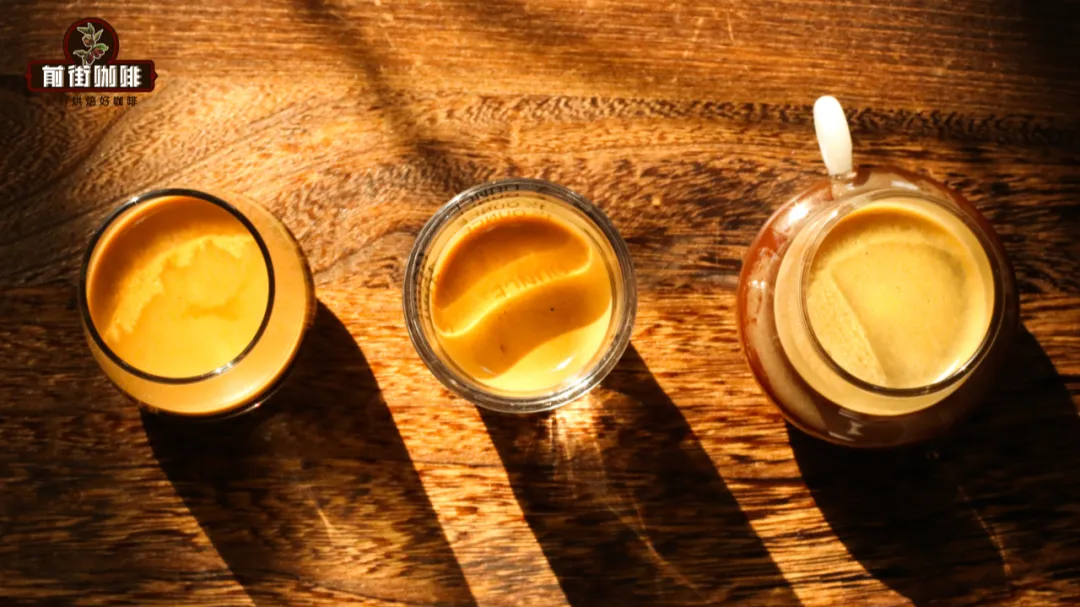
To brew a balanced and enjoyable Ristretto, it is recommended to use a finer grind, control the water temperature between 90–93°C, and strictly maintain the extraction time between 15–20 seconds, with a liquid volume of around 15–20 ml. The key lies in “extracting the essence within a short time,” so managing the release of early-stage flavors is crucial—overextending the time can cause the acidity to become rough.
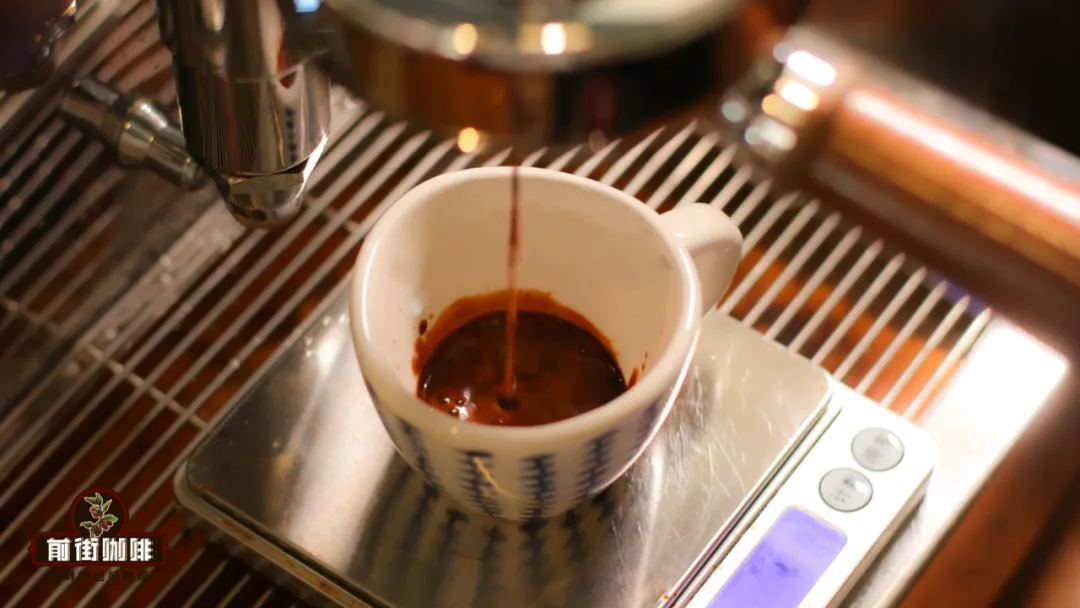
For Normale, a stable coffee-to-water ratio (approximately 1:2 to 1:2.5) and even tamping are the keys to success. Using freshly roasted medium-to-dark roast beans can enhance sweetness and body, while the water temperature should be maintained at around 92–94°C, with an extraction time of 25–30 seconds being ideal. This parameter range fully showcases the comprehensive flavors of the coffee and is also the standard followed in most professional settings.

To avoid an overly bitter or hollow taste in Lungo, it is recommended to slightly coarsen the grind, reduce the water temperature slightly compared to Normale (around 90–92°C), and moderately extend the extraction time to 30–40 seconds, keeping the liquid volume between 50–60 ml. However, it’s important to note that excessively long extraction times can release unwanted impurities, leading to a poor aftertaste. Therefore, it’s advisable to conduct small-scale tests to find the balance that suits your personal taste.
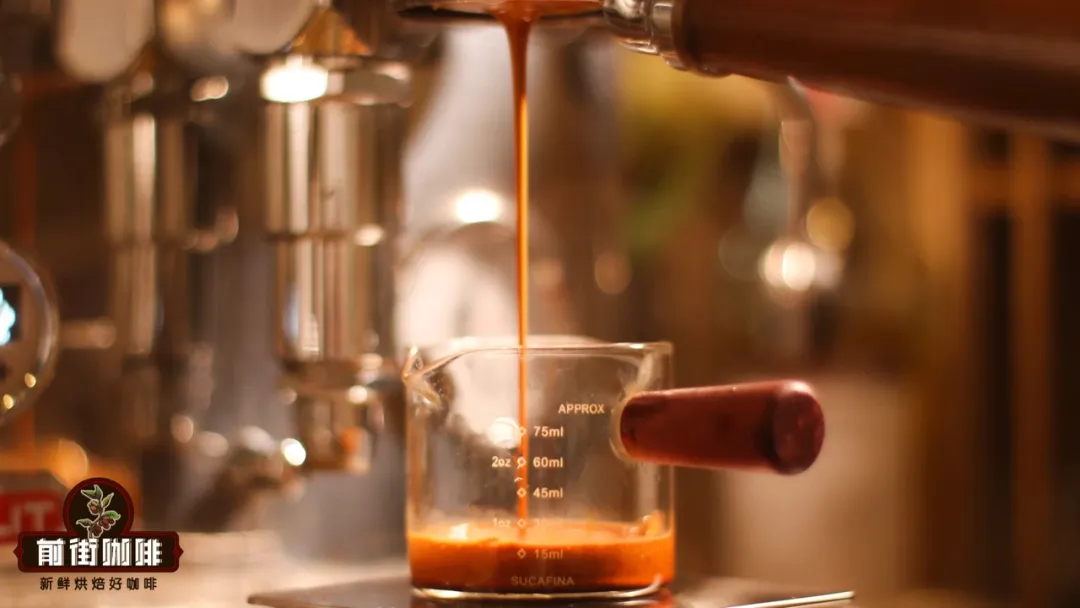
In summary, Ristretto, Normale, and Lungo each have their own unique extraction logic and suitable scenarios. Ristretto is ideal for those seeking a concentrated and layered light-bodied drink; Normale serves as the versatile base for most espresso drinks; Lungo caters to consumers who prefer a bold flavor but want to enjoy a larger volume of liquid in one go. Regardless of which you choose, the key lies in precisely controlling the grind size, water temperature, extraction time, and liquid volume to avoid common issues like excessive sourness or bitterness—and to brew a truly balanced and delicious shot of espresso.

The above content is compiled by CoffeeHunters, a coffee news website.


