







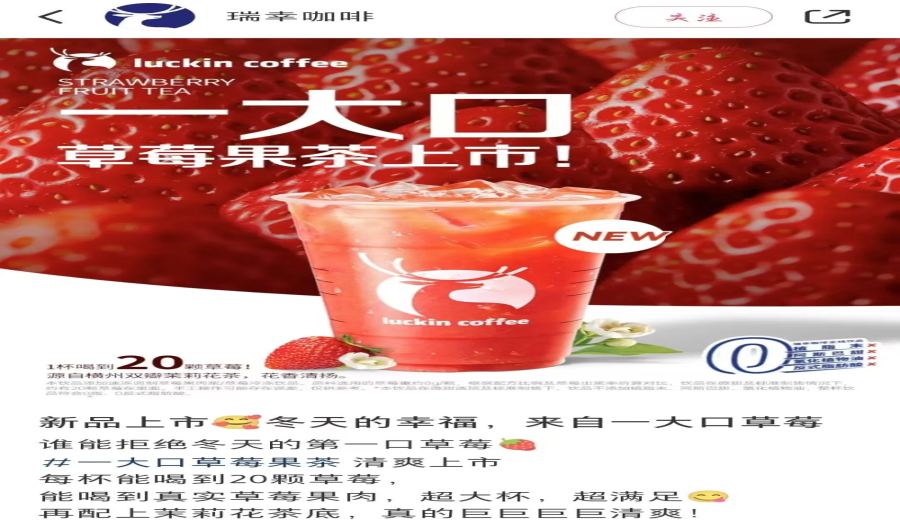
Introduction:The competition among popular strawberry-themed drinks during strawberry season is fierce. Luckin Coffee launched the “Big Bite Strawberry Fruit Tea,” claiming each cup contains 20 strawberries, which attracted many consumers eager to try it. However, after actually tasting the drink, many customers found that it was made with strawberry jam rather than fresh fruit, falling short of their expectations for a fresh fruit tea experience. This sparked heated discussions on social media. This article delves into the incident, real customer feedback, the brand’s official statements, and offers insight into common ingredient strategies in fruit tea products and tips for choosing them.
With the arrival of strawberry season, many chain beverage brands have successively launched strawberry-themed drinks. Luckin also followed suit with the “Big Bite Strawberry Fruit Tea.” The brand claimed that each cup delivers the taste of 20 strawberries, paired with a refreshing fruit tea flavor that evokes the experience of freshly pressed juice. To promote the new product, livestream hosts even showcased cups containing a dozen or so fresh strawberries, creating a strong impression of freshness and attracting consumers who had high expectations for fruit tea quality.
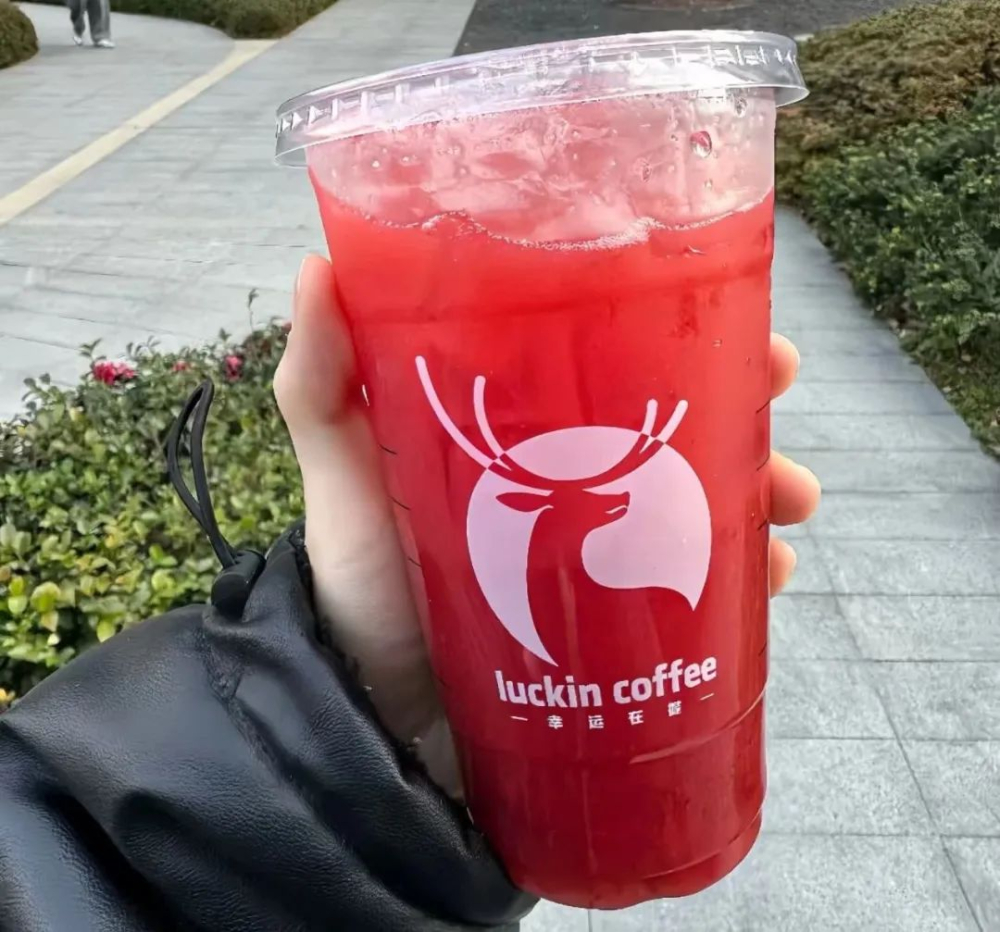
However, after actually purchasing and trying the drink, most customers were left disappointed. Many reported that the strawberry fruit tea tasted more like thick strawberry jam diluted with water, with almost no aroma of fresh strawberries or flavor from the tea base. Some netizens described it as “strawberry-flavored dishwater” or “diluted sugary jam,” which was vastly different from the fresh fruit tea image promoted. Many took to social media platforms to express dissatisfaction with the inconsistency between the product’s taste and its advertising.
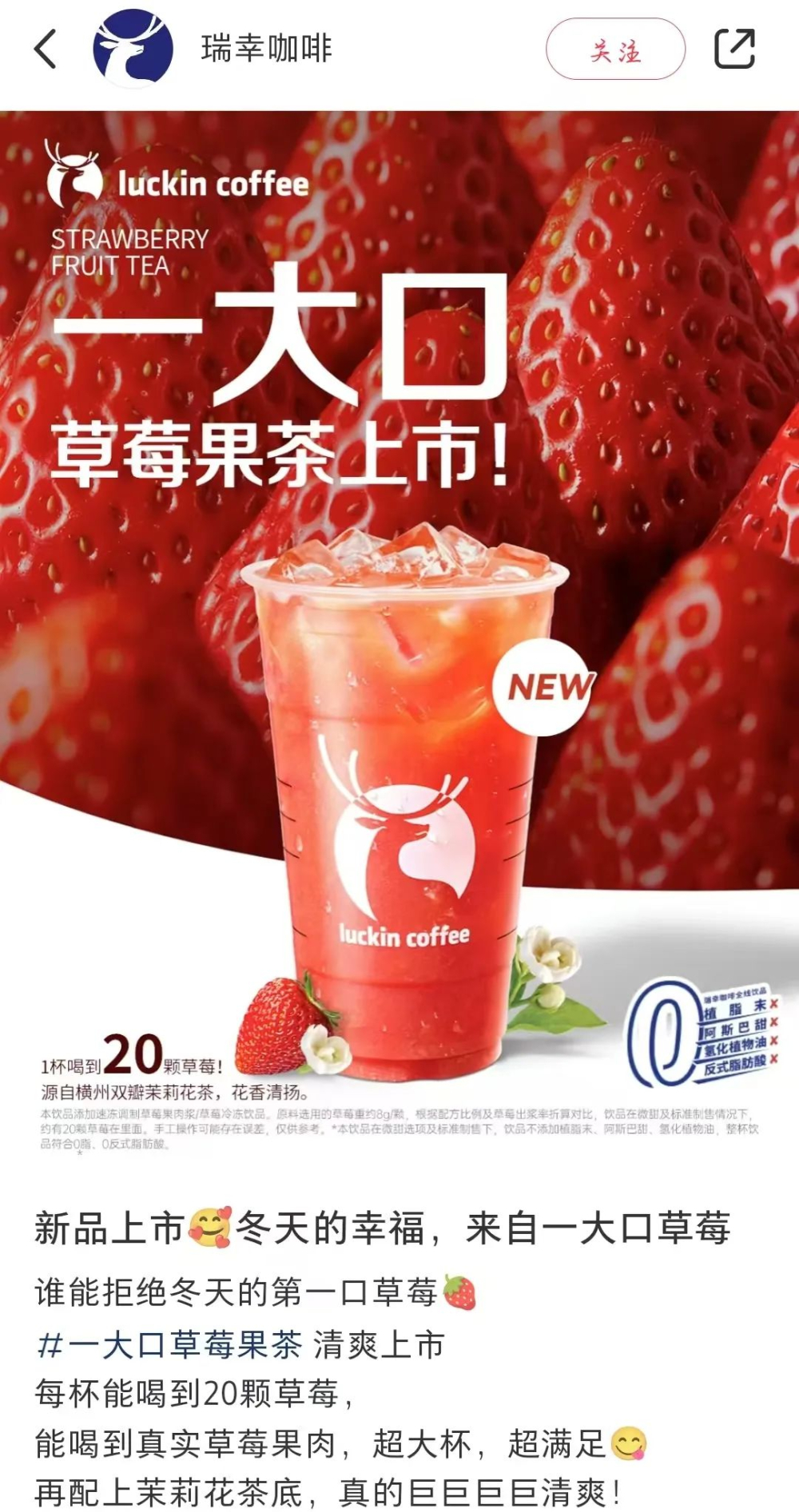
Further investigation into the production process revealed that videos uploaded by Luckin employees showed staff pouring thick strawberry jam—not fresh strawberries—into shakers when making the drink. Additionally, the product page on the mini-program specifically stated that the claim of “20 strawberries per cup” was based on the proportion of strawberry jam used in the recipe, not the actual inclusion of 20 whole fresh strawberries. This clarification led many consumers to believe the brand had used vague language in its marketing, which could easily mislead people into thinking real strawberries were used.
Moreover, many customers who purchased the drink while watching the livestream recalled that hosts repeatedly emphasized “you can taste 20 strawberries in one cup,” with some even holding what appeared to be fresh strawberries on camera to create the impression of freshly pressed fruit tea. However, the actual drink received was a stark contrast to what was shown during the livestream, further fueling skepticism about the brand’s honesty.
In response to the wave of negative reviews, some Luckin store employees expressed frustration, pointing out that while livestreams and social media promotions highlighted the “20 strawberries” angle, they failed to clearly explain that the actual ingredient used was jam. This led to overly high customer expectations and subsequent complaints. They mentioned that they often had to spend extra time explaining the product’s ingredients in-store, yet many customers still felt misled.
Some regular Luckin customers admitted they never expected the brand’s fruit tea products to use large amounts of fresh fruit. “Luckin’s fruit teas are almost all made with concentrated juice or jam—even the lemon tea is made with lemon jam. It’s unlikely they’d use real fruit,” one netizen commented, adding that given Luckin’s price range, using a lot of fresh strawberries just isn’t realistic.
This strawberry fruit tea controversy has also prompted many consumers to reflect on how to properly interpret numerical claims in beverage advertisements. Experts suggest that when choosing fruit tea drinks, in addition to paying attention to advertising language, customers should also check the ingredient labels or directly ask staff whether fresh fruit is used. If you’re looking for a fruit tea that tastes closer to freshly pressed juice, it’s best to prioritize brands and stores that clearly indicate the use of fresh or same-day-cut fruit.
In summary, while Luckin’s strawberry fruit tea successfully captured attention through seasonal marketing, the gap between its promotional claims and actual ingredients led to widespread consumer dissatisfaction and discussion. Moving forward, if the brand wishes to innovate further in fruit tea offerings, balancing marketing messaging with actual product quality will be key to maintaining consumer trust.
The above content is compiled by CoffeeHunters, a coffee news website.


