







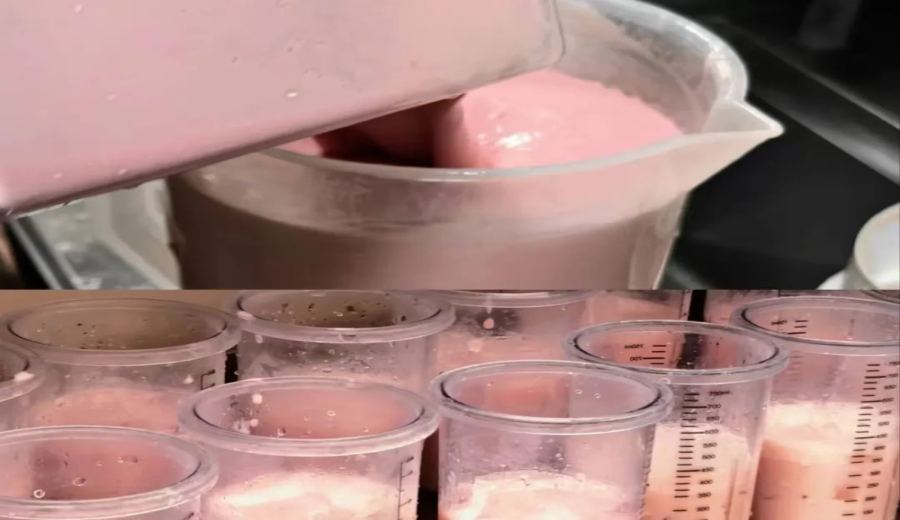
Introduction:Red-heart guava has become the focal point of this season’s tea beverage market, with many well-known brands rolling out limited-time drinks inspired by it, sparking enthusiastic responses from consumers. However, behind this wave of popularity, frontline staff face significant challenges when handling underripe guavas. This article delves into the practical difficulties in the production process of red-heart guava beverages, shares the hands-on experience of employees in seed removal and ripening stages, and provides useful references to help readers understand the story behind these popular drinks.
Recently, the tea beverage market has seen a surge in red-heart guava fever. Well-known chain brands such as HEYTEA, Jasmine Milk White, Lelecha, Quchaishan, and Grandma’s Handmade Drinks have successively launched seasonal limited-time drinks inspired by red-heart guava. Among them, Jasmine Milk White’s ‘Jasmine Pink Guava’ and ‘Matcha Pink Guava,’ which use freshly squeezed red-heart guava juice to create specialty fruit milks, have quickly gained popularity due to their natural fruity aroma and high visual appeal, with order volumes continuing to soar.
However, while these seemingly exquisite and popular drinks are highly sought after in stores, they place considerable pressure on frontline production staff. To deliver the best taste, these drinks require freshly squeezed red-heart guava juice, and the processes of peeling, scooping out the core, and removing seeds must be done manually beforehand to minimize pulp residue and ensure optimal flavor and smoothness.
According to several current store employees, most of the red-heart guavas delivered to stores are not yet fully ripe, resulting in hard flesh that is difficult to cut with regular knives—let alone scooping out the flesh and seeds one by one with a stainless-steel spoon. Faced with daily orders of several boxes, employees often have to handle large quantities of guavas continuously, which is not only time-consuming but also puts a great strain on their hands. “My hands are so sore they’re cramping,” and “scooping until my fingers go numb” have become common refrains among many staff, with some even reporting symptoms resembling carpal tunnel syndrome.
To alleviate these processing difficulties, some employees have tried variousripening methods, such as sealing unripe guavas in plastic bags to ripen them in their own ethylene or storing them alongside fruits like custard apple and banana that release ethylene, hoping to accelerate the softening of the flesh. These methods do help soften the guava flesh to some extent, making scooping slightly easier, but given the huge volume of orders,the ripening speed still lags far behind the consumption rate, and employees continue to struggle with the hard flesh.
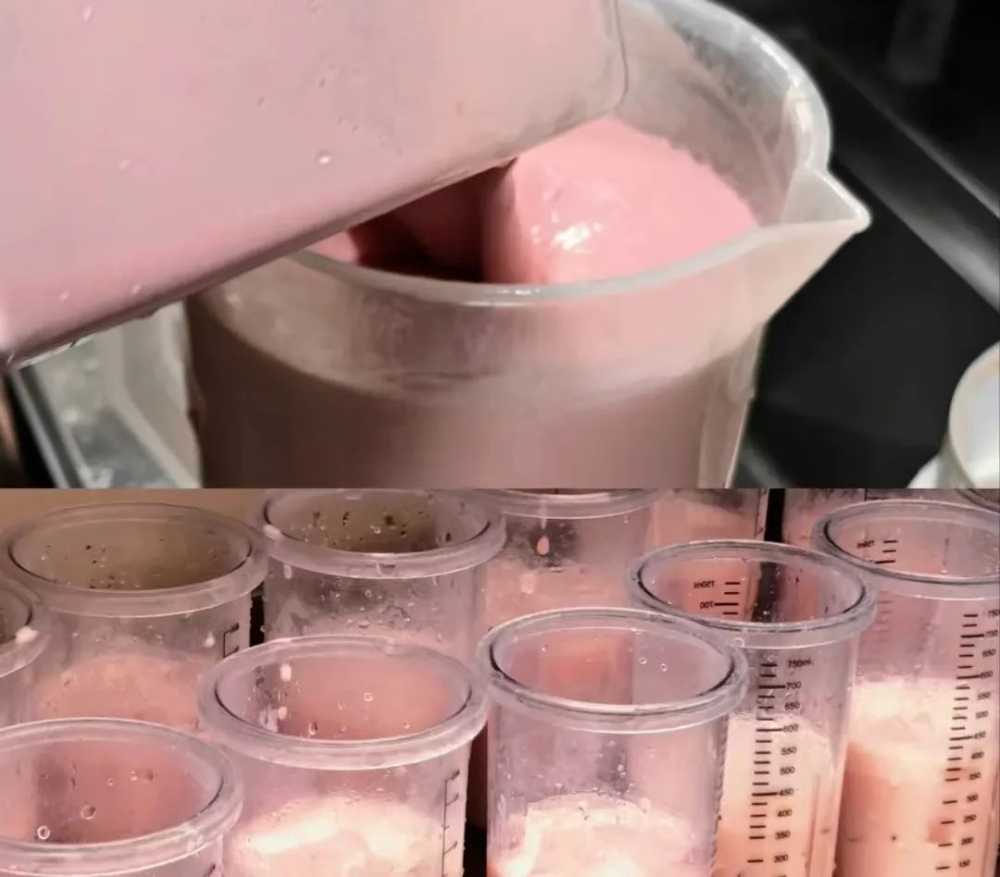
In comparison, another brand, HEYTEA, when handling the same ingredient, chooses to put the whole guava (including skin and seeds) directly into a blender to puree it. Although it still requires filtering out the seeds through a filter bag afterward, it eliminates the tedious manual seed removal step, significantly improving overall operational efficiency. Employees at Jasmine Milk White have admitted that they once envied HEYTEA’s approach, but after learning that additional seed-filtering steps are still needed, they understood that each brand faces its own operational challenges. Nonetheless, many employees privately say that if brands could take actual operational burdens into account, perhapsremoving this high-difficulty new product from the menualtogether would be the most fundamental solution.
The popularity of red-heart guava beverages not only reflects consumers’ pursuit of fresh, natural, and aesthetically pleasing drinks but also highlights the practical challenges that the tea beverage industry may face in the backend production process when dealing with seasonal popular fruits. From ingredient selection, storage conditions, processing techniques, to manpower allocation, each step influences the final quality presented to customers and the operational efficiency of the stores.
For the industry, balancing innovation in product offerings with production feasibility and employee welfare will be an important issue to continually optimize in the future. For consumers, understanding the production journey behind a beautiful drink can also allow us to enjoy the flavors while showing more empathy and support for the people who make it all possible.
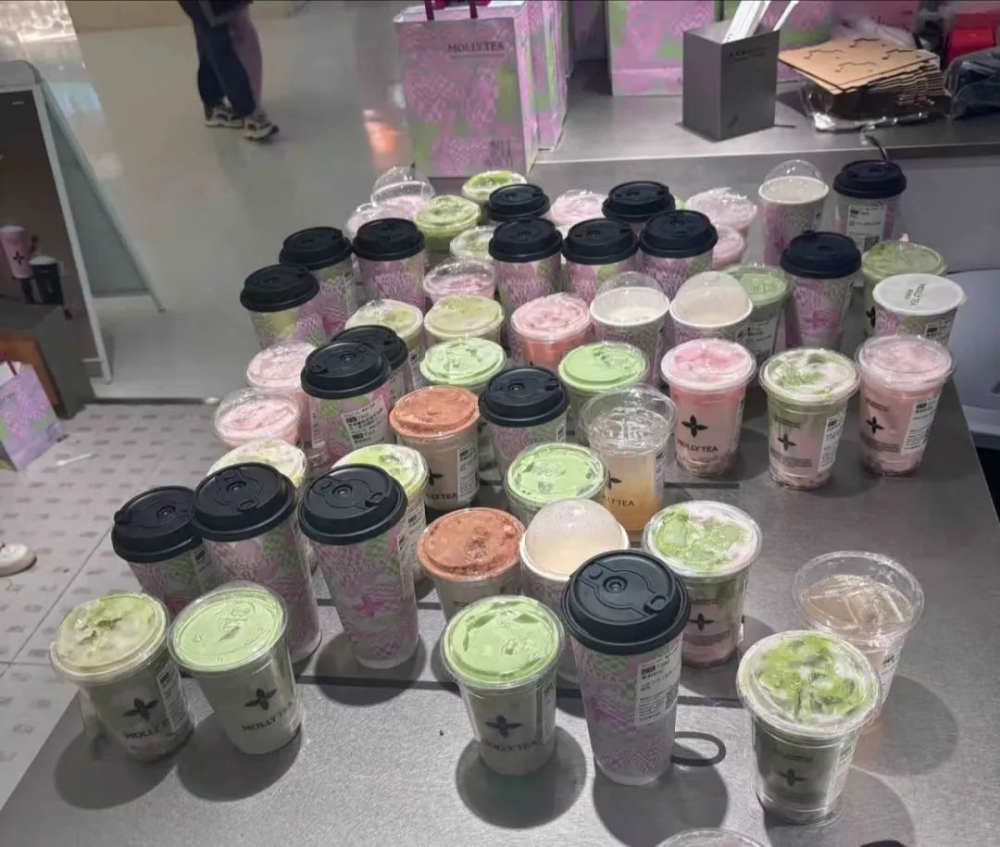
The above content is compiled by CoffeeHunters, a coffee news website.


