







Introduction:The Tea’s Fan Joy Garden Store at Wuhan International Plaza, which once drew long queues, has quietly changed ownership. Data shows that the brand closed around 70 stores within four months, including the withdrawal of several popular locations such as its first store in Wuhan. According to Jihai Brand Monitoring, its number of stores dropped from 973 to 903, though it is also opening new outlets in emerging cities like Changzhou. Is it due to lease expirations, strategic adjustments, or profit pressures? This article delves into the reasons behind the wave of closures and explores consumer pain points such as the redemption process.
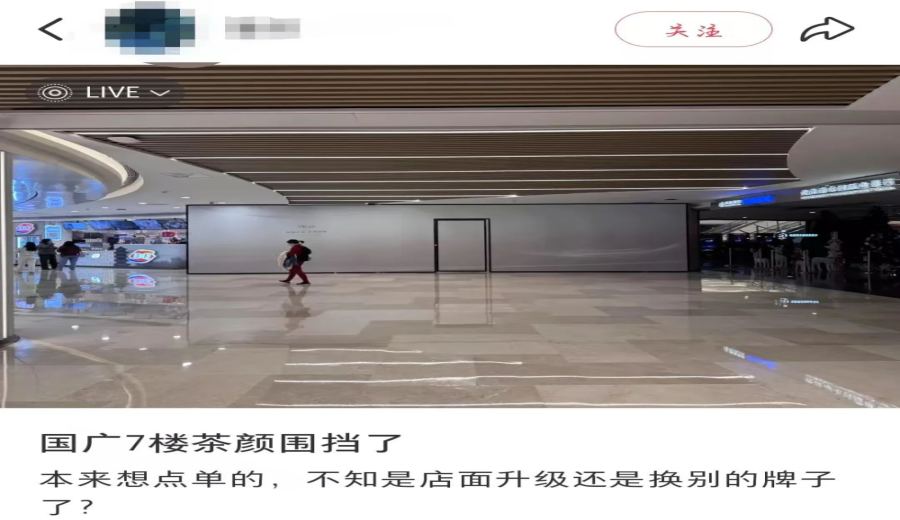
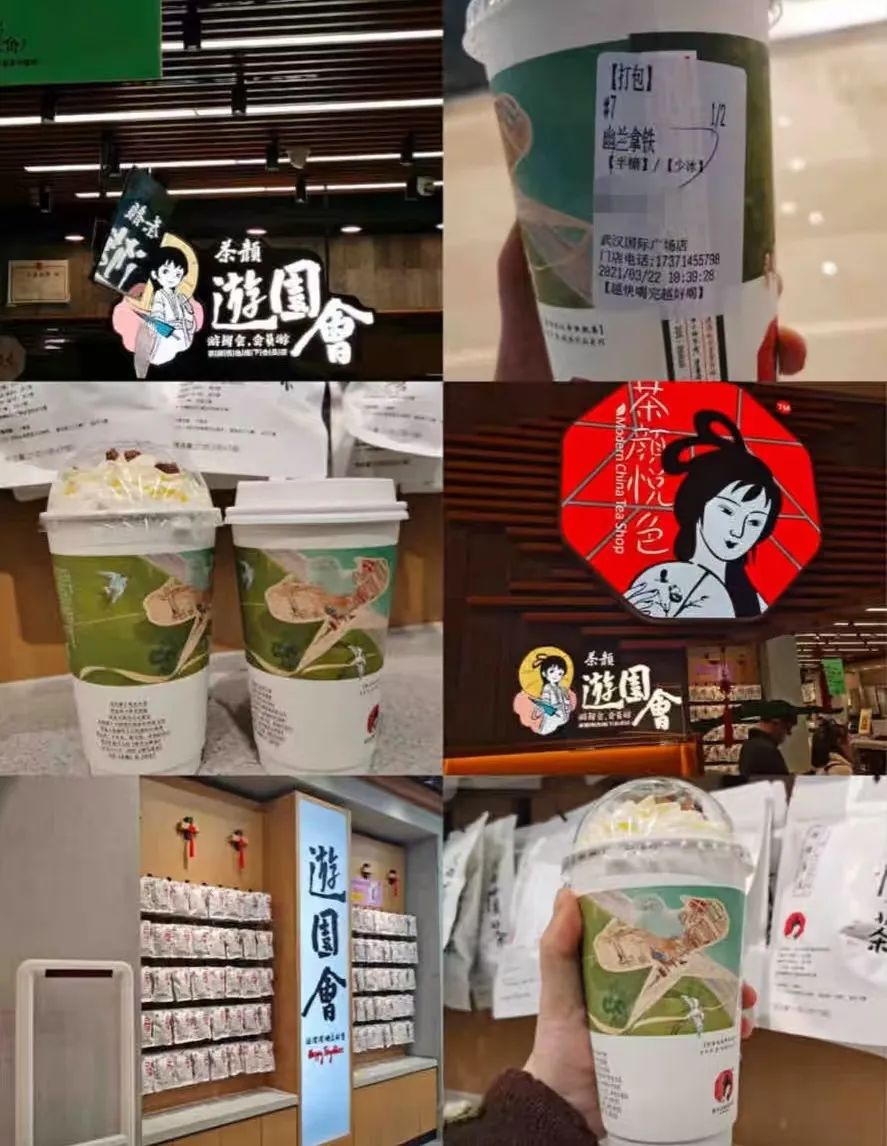
The roughly 200-square-meter Tea’s Fan Joy Garden Store on the 7th floor of Wuhan International Plaza, where customers once had to queue for two hours just to get a Yulan Latte, no longer displays the Tea’s Fan sign. This store, one of the brand’s key flagship outlets when it first entered Wuhan in 2020, has recently been replaced by signage for another dining brand.This outlet was not only the largest in the area but also pioneered an integrated model of tea drinks and cultural merchandise.When it opened, it attracted a large number of consumers who specifically came to visit.
Similar situations are not isolated cases.Data from Jihai Brand Monitoring shows that the number of Tea’s Fan’s operational stores nationwide plummeted from 973 at the beginning of October to 903,with at least 70 closures within four months, affecting multiple cities including Changsha and Wuhan. Discussions about “Tea’s Fan store closures” have been heating up on social media, with some consumers reporting that a store near their office closed within a year of opening, and outlets in business districts like CapitaLand West Mall have also gradually disappeared.
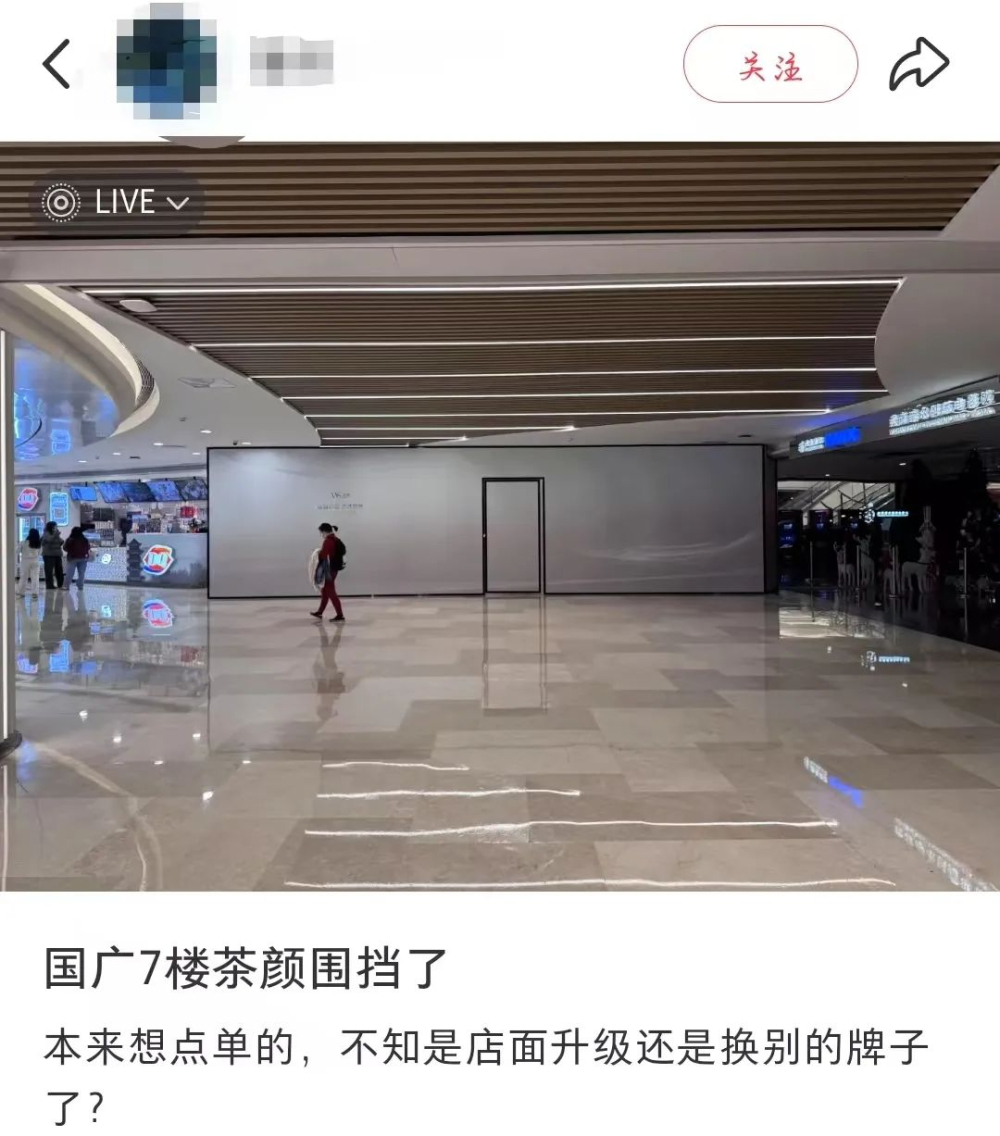
It is worth noting that the brand has not halted its expansion. New Tea’s Fan stores are already being fenced off in places like Changzhou, indicating its continued efforts to enter new urban markets. Butthe trend of a net decline in store numbers has drawn industry attention,especially the decision to withdraw from high-traffic locations like the 7th floor of Wuhan International Plaza, which is close to a cinema, possibly involving a balance between rental costs and profit expectations.
Industry insiders analyze that possible reasons for the closures include:operational pressures due to rising rents in core business districts, underperformance in per-square-meter efficiency of individual stores, and the brand’s proactive optimization of its store network.Taking Wuhan International Plaza as an example, although the 7th floor store has a large area and is close to the cinema, compared to the prime locations on the 1st floor and B1, its rent-to-benefit ratio may be relatively low.
Among consumer feedback, besides regret over the closure of beloved stores,the complicated redemption process continues to be criticized.Many customers report having to wait in long lines to pick up their orders after placing them online, resulting in a poor experience. This “standing-in-line” service model has become one of the key factors affecting the brand’s reputation.
Balancing expansion while optimizing store quality has become a critical issue for Tea’s Fan at present. How to improve operational efficiency while maintaining brand identity, especially enhancing the customer experience, will be a decisive factor for its future development.
The above content is compiled by CoffeeHunters, a coffee news website.


