







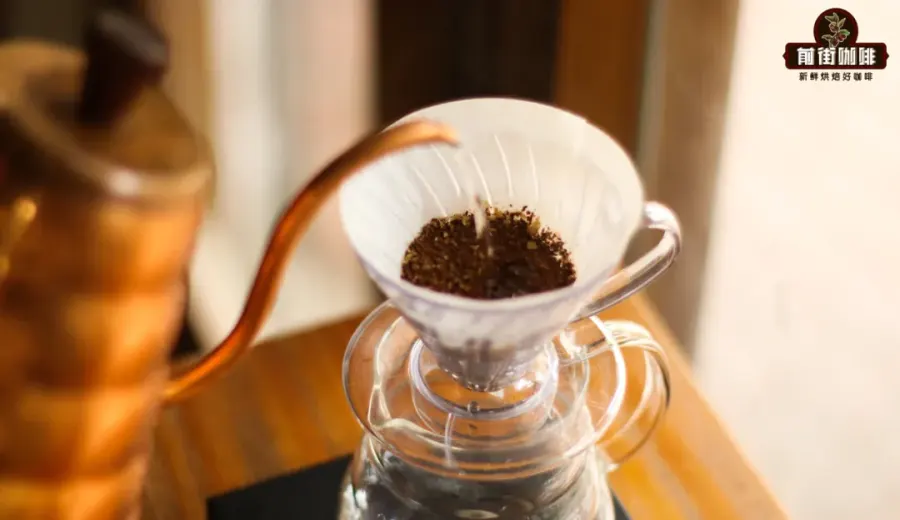
Introduction:Choosing the right pour over filter cone has a significant impact on coffee flavor. This article delves into how the material and design of the filter cone affect extraction, analyzing the structural features and suitable scenarios of classic cones such as the V60 and Kono. From hole design and cone angle to material selection, it helps you choose the most suitable filter cone based on your brewing needs, improving consistency and flavor performance in pour over coffee.
Walking into a specialty coffee shop or browsing the pour over section on an e-commerce platform, the variety of uniquely shaped filter cones can be overwhelming for beginners. These seemingly similar filter cones actually hide key details that influence extraction outcomes. Understanding the structural principles of filter cones allows for more precise control over brew flavor and avoids blind selection.
From an extraction perspective, the design of the filter cone directly affects water flow speed, the spread of the coffee grounds layer, and the stability of the final extraction yield. Especially for users who prefer medium to light roasted beans in pursuit of complex flavors, choosing the right filter cone can often improve taste more noticeably than adjusting grind size. Next, we’ll focus on several core design elements that truly impact extraction performance.
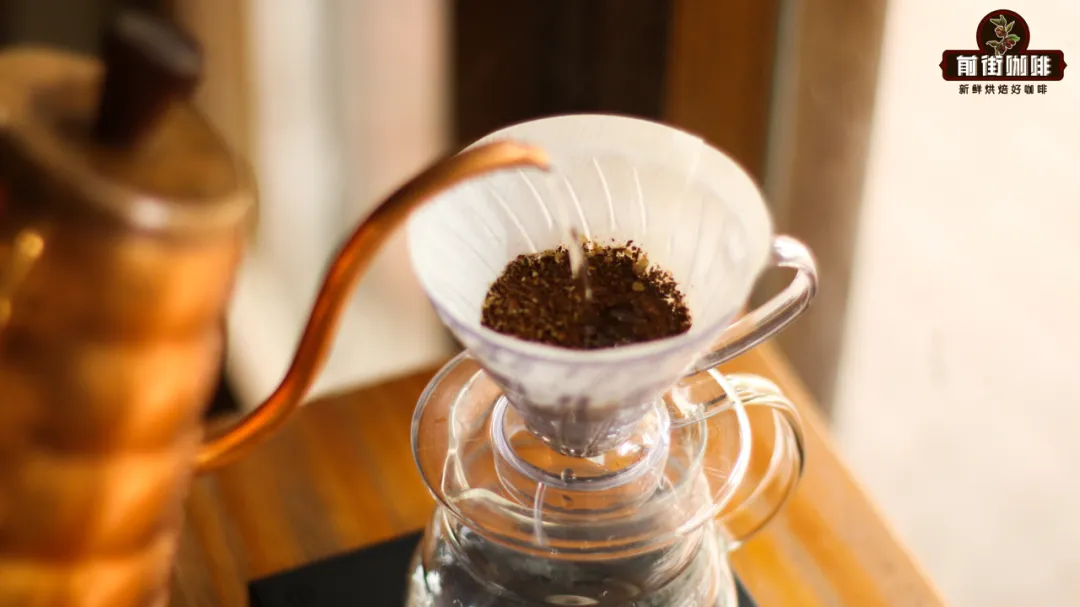
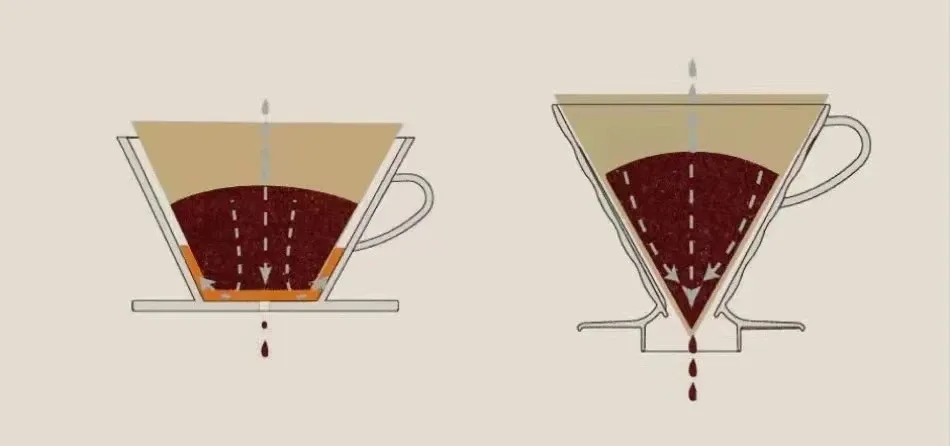
First is thehole design and number. Take the popular Hario V60 as an example—its single large center hole creates relatively fast flow, making it suitable for brewers who enjoy bright acidity and distinct flavor profiles. In contrast, some multi-hole filter cones offer more stable water drainage, which helps showcase delicate flavors. The size and distribution of the holes directly alter the resistance water faces as it passes through the coffee bed, thereby affecting overall extraction time and uniformity.
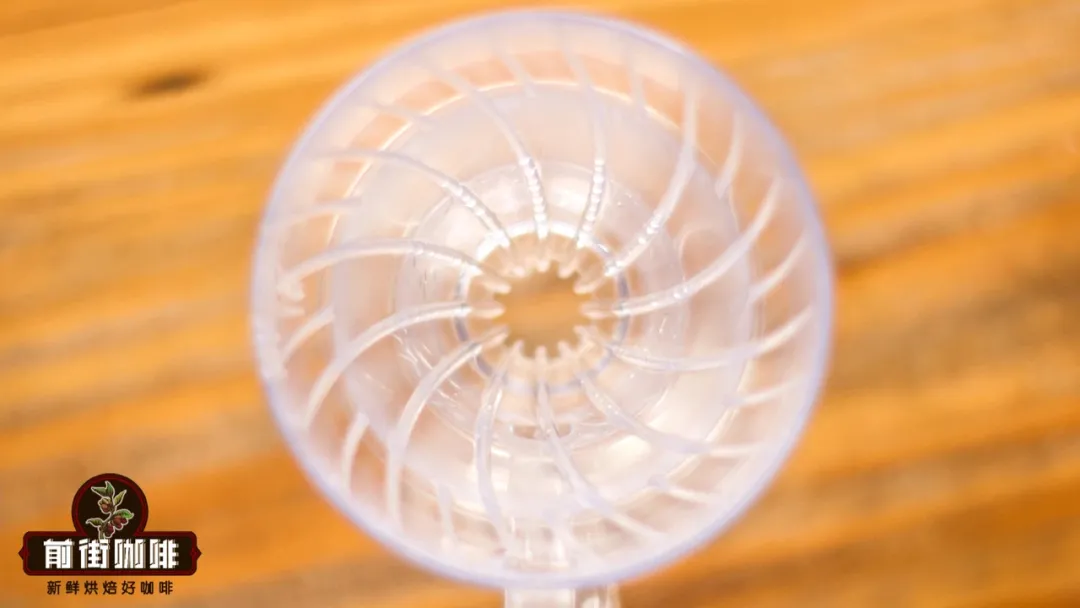
The second key design element is theinner wall structure—spiral or straight. The V60’s iconic spiral ridges guide bubble ascent, reducing the vacuum suction effect between the filter paper and the cone, allowing water to flow more smoothly through the coffee grounds. Filter cones like the Kono, which use gentle straight walls and internal flow channels, tend to create a more even saturation environment, helping to extend extraction time and soften the mouthfeel. Different inner wall structures change how the coffee bed collapses and the path the water takes.

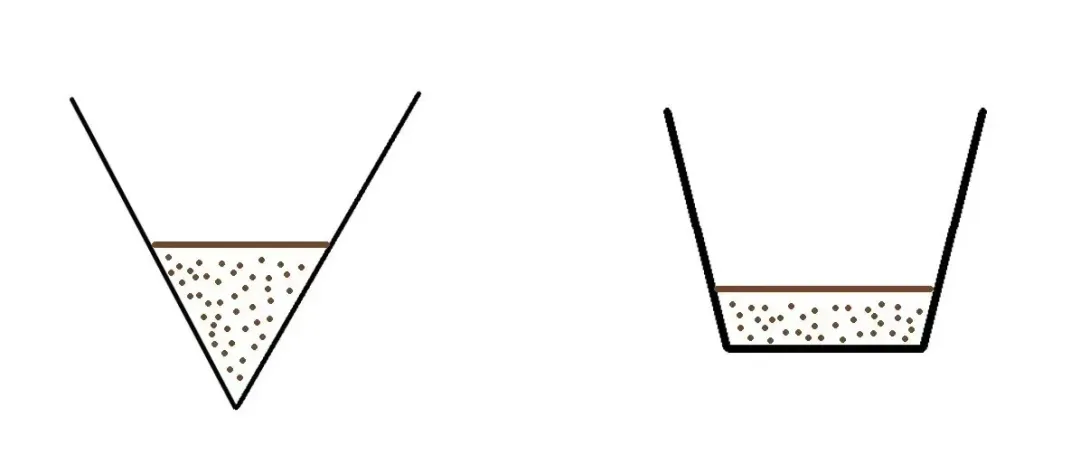
The third indispensable factor is thetilt angle of the filter cone. A steeper inner wall angle typically accelerates water flow through the coffee grounds, suitable for brewing styles that prioritize high extraction efficiency and clear acidity. In contrast, a more gently sloped filter cone design allows the coffee grounds to soak in water longer, facilitating the release of more soluble substances, commonly preferred by those who favor a fuller body. This seemingly minor design difference actually has a significant impact on the final coffee’s body and aftertaste.
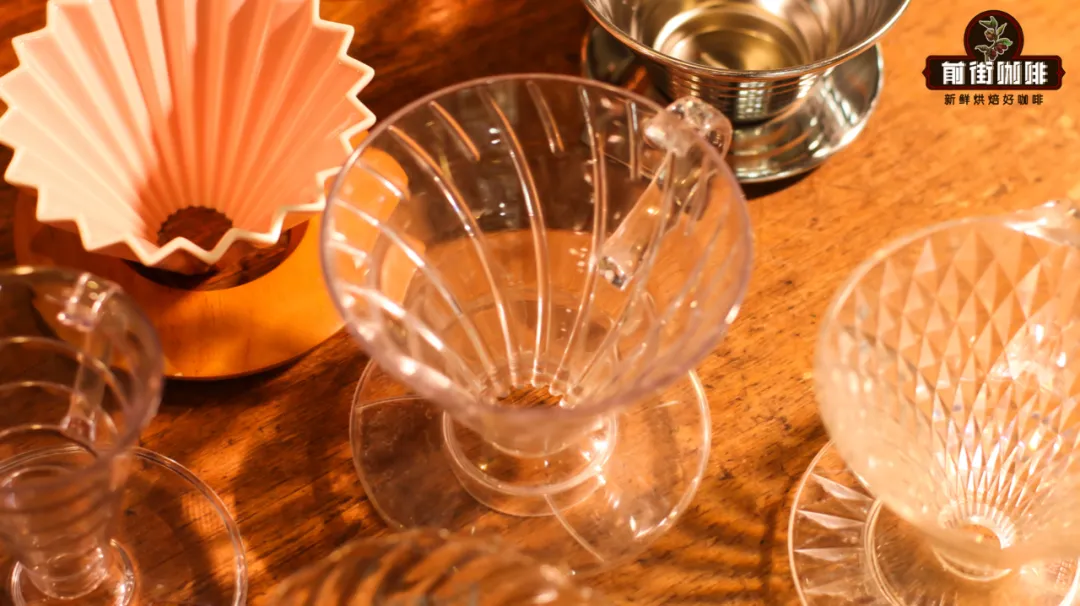
Finally, we must mention thechoice of filter cone material. Common materials include plastic, ceramic, glass, and metal. Plastic cones are lightweight, durable, and have low heat conductivity, making them beginner-friendly; ceramic cones offer good insulation, helping maintain temperature stability during brewing; glass cones allow easy observation of water flow but have poorer heat retention; metal cones are usually heavier and conduct heat quickly, requiring more attention to temperature control. Different materials not only affect handling feel but also indirectly alter the coffee’s extraction temperature curve.

When it comes to specific filter cone models, the V60 is undoubtedly one of the most popular choices. Its signature single large hole and spiral ridge design produce bright acidity and clear layering, especially well-suited to medium to light roasted beans. When using the V60, it’s recommended to pay attention to grind adjustment and pouring technique to control appropriate extraction time and flow rate.
The Kono filter cone adopts a different design philosophy. Its internal flow channels and relatively gentle inner wall structure create more even water distribution and extended extraction time. This design often results in a rounder mouthfeel and reduces the risk of over-extraction, making it particularly suitable for those who prefer fuller flavors or are using dark roasted beans. The Kono cone is generally easier for beginners to handle, as it has a higher tolerance for parameter mistakes.
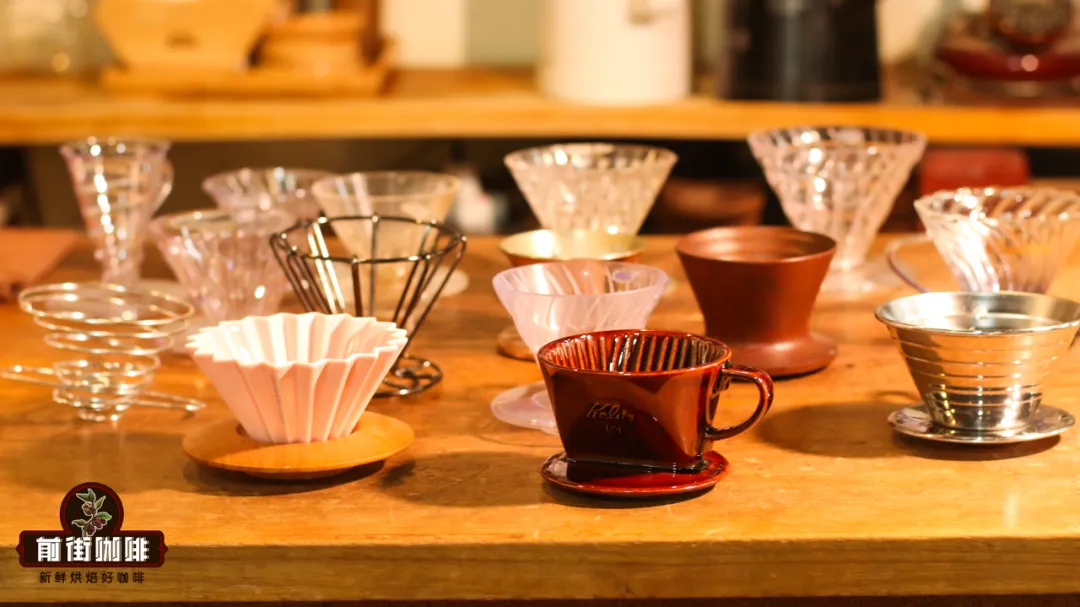
When selecting a filter cone in practice, consider the roast level of the beans you usually brew, your personal taste preferences, and your level of brewing proficiency. There’s no such thing as the “best” filter cone—only the one that’s “most suitable” for your brewing style. Trying different designs and recording the parameters and flavor outcomes of each brew is the most reliable way to find your ideal tool.
In summary, the design details of a filter cone—from hole arrangement, inner wall structure, tilt angle to material selection—all have a tangible impact on the coffee extraction process. Understanding these design principles helps you select tools with intention, rather than basing decisions solely on appearance or brand impression. Whether you’re a beginner or a coffee enthusiast pursuing precise control, choosing the right filter cone is a key step toward elevating your pour over quality.




The above content is compiled by CoffeeHunters, a coffee news website.


