







Introduction:Recently, a popular bubble tea brand, Yidiandian, faced heated discussions among customers and netizens after some of its outlets temporarily used generic transparent plastic bags or even black trash bags to package drinks due to a shortage of branded paper bags. This article delves into the reasons behind the incident, outlines the background of the brand’s packaging strategy adjustments, and explores the differences between plastic and paper bags in terms of practicality, environmental impact, and brand image — helping readers understand the considerations and challenges faced by chain beverage businesses in their packaging choices.
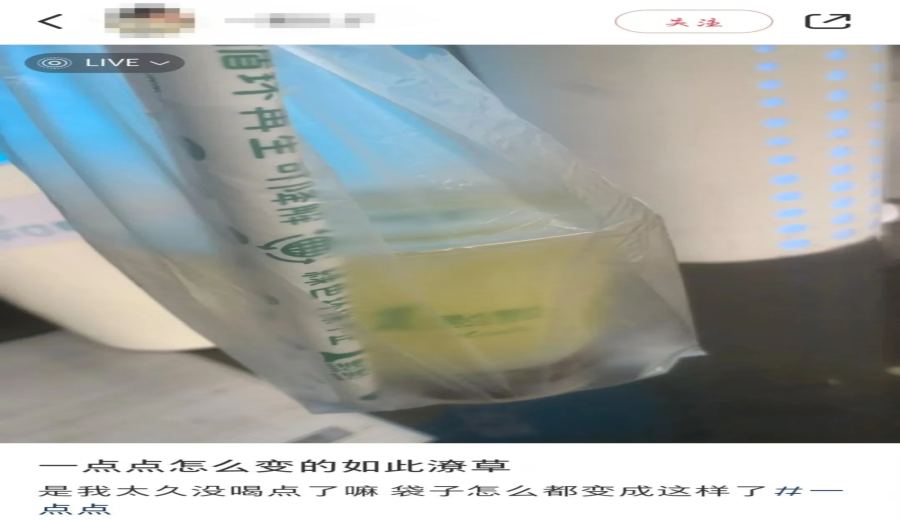
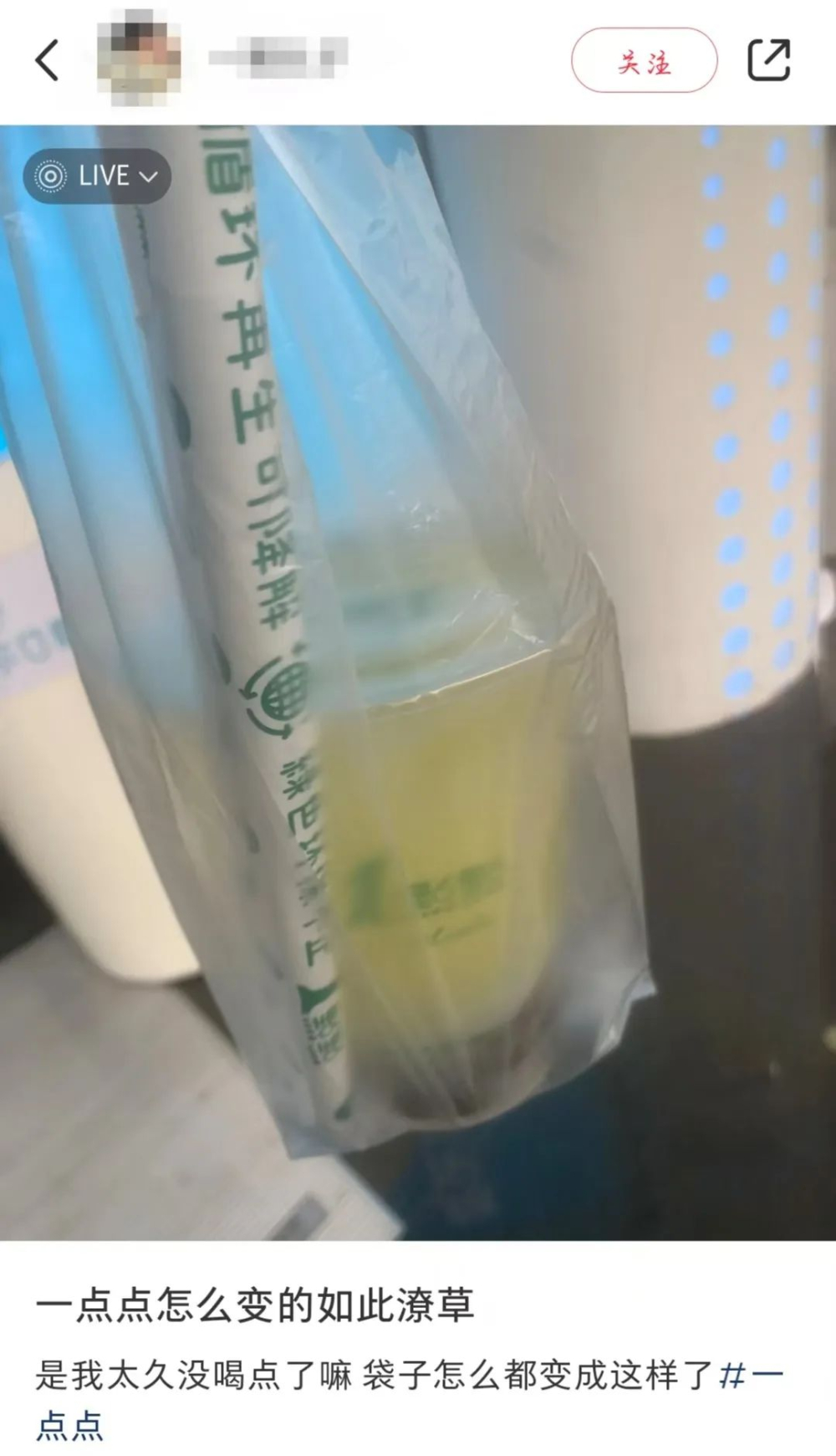
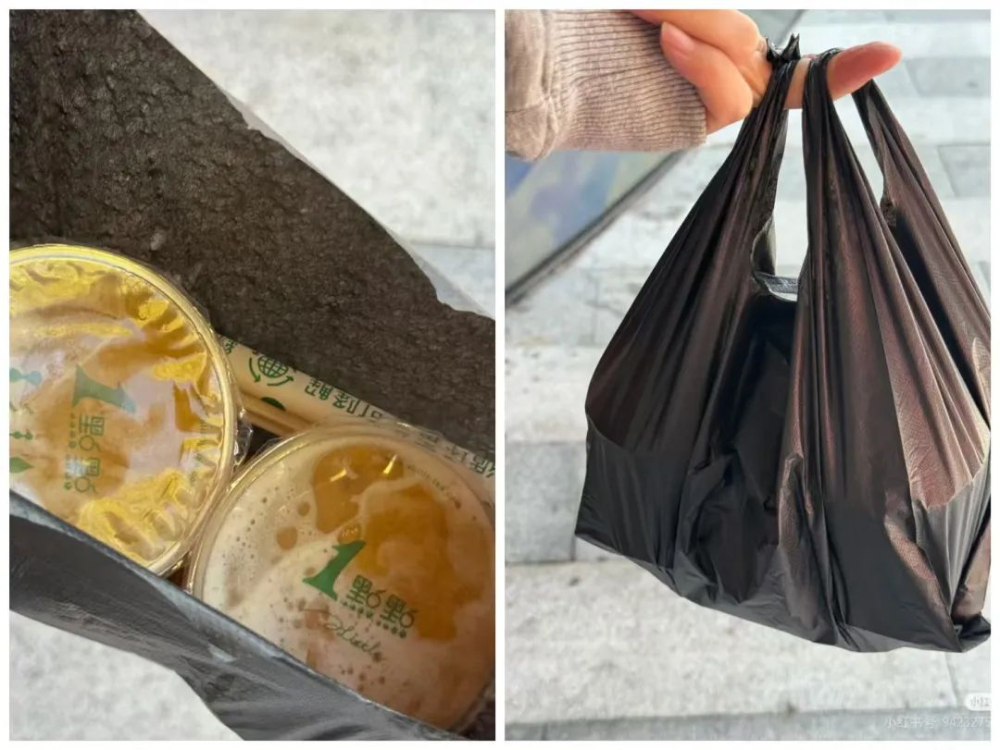
Recently, some customers shared on social media platforms that when purchasing bubble tea at Yidiandian stores, the staff used thin, non-branded, highly transparent plastic bags — and in some cases, even ordinary black trash bags — to pack the drinks. This immediately sparked widespread online discussion. In reality, this was not a cost-cutting measure by the individual stores, but rather a result of the delayed shipment of new branded paper bags originally scheduled by the headquarters, leaving some stores in a “no bags available” dilemma.
According to internal staff, as early as before the Lunar New Year, the headquarters had informed all locations about the gradual phase-out of the current plastic bags and their replacement with unified branded paper bags, while reminding store managers to control their stock of packaging materials in advance. However, more than half a month into the new year, the promised paper bags still hadn’t arrived, and stores were even notified that they might have to wait until April for the new stock to gradually be delivered. During this period, which also included peak customer traffic times such as the Lunar New Year and Valentine’s Day, the packing bag inventory at some outlets quickly ran out, forcing temporary service adjustments.
Due to the supply chain delays from the headquarters, some stores had no choice but to purchase regular commercial plastic bags as a stopgap measure to maintain basic service quality. However, these plastic bags lacked brand logos, as well as insulation or leak-proof designs, inevitably prompting customer skepticism. Even more surprising to consumers was the fact that when plastic bags ran out, some store staff directly used black trash bags as substitutes. Although no immediate complaints were raised at the time, many customers later reflected that they weren’t entirely satisfied with the situation.
In fact, many chain beverage brands have long since introduced paper packaging bags with brand identification or collaborations with popular IPs. These not only project an eco-friendly image but also serve as part of marketing strategies that encourage customers to collect them. In contrast, Yidiandian has long insisted on using simple white bags with green polka dots, a practice that has drawn mixed reactions from loyal customers.
Customers who value aesthetics and overall consumption experience feel that using generic plastic bags lacks a sense of quality. Some are even concerned that the bags may have odors, the designs may fade easily, or they may not be environmentally friendly — all of which can negatively affect the overall purchasing experience. On the other hand, more pragmatic consumers point out that plastic bags are sturdy and durable, and can be used not only for bubble tea but also as everyday carry bags or trash bags. Especially on rainy days, they offer basic waterproofing, ensuring that drink bags don’t get wet or damaged.
Regarding customer suggestions to use insulated bags, staff explained that insulated bags are more expensive and have limited stock, so they are usually reserved for delivery orders. For customers making purchases in-store, if they request an insulated bag, an additional packaging fee is required. Moreover, if employees were to replace the standard plastic bags with insulated bags without authorization, it would not only violate store service regulations but could also lead to inventory record confusion, affecting subsequent logistics and stock-taking processes.
As more and more beverage brands adopt distinctive paper bag packaging, Yidiandian’s plan to switch to paper bags has garnered significant attention from fans. Many netizens have expressed anticipation for the return of paper bags, commenting that “paper bags look more premium,” “I hope they switch soon, the current bags are just too plain,” and even speculating that the brand might be planning to follow market trends by launching limited-edition designs in the future.
However, many long-time loyal customers of Yidiandian hope the brand will maintain the status quo, arguing that plastic bags are convenient and practical — especially useful on rainy days. Comments such as “Don’t change it, plastic bags are sturdier” and “Plastic bags don’t tear easily on rainy days, paper bags fall apart too quickly” reflect this group of consumers’ reliance on and emotional attachment to the original packaging. To them, Yidiandian’s unique plastic bag design has become part of the brand’s identity, and a full switch to paper bags might cause them to lose the brand’s original distinctive touch.
The above content is compiled by CoffeeHunters, a coffee news website.


