







Introduction:Even if coffee beans have passed their optimal freshness period, their flavor may decline, but with the right brewing techniques, you can still make a great cup of coffee. This article delves into the science behind the freshness window, teaches you how to judge the condition of the beans through aroma, degassing, and mouthfeel, and provides practical suggestions for adjusting water temperature, grind size, and brew ratio. With a step-by-step guide to pour over brewing, it helps you improve extraction efficiency and revive the flavor of aging coffee beans.
Many coffee enthusiasts are familiar with the concept of a "freshness window" for coffee beans, but often have only a vague understanding of what it really means and how it affects the coffee. The freshness window refers to the period after roasting when the beans are at their most flavorful and ideal for drinking. During this time, carbon dioxide is released at an appropriate rate, and aromatic compounds are at their peak. The resulting brew has layered aromas and a smoother, fuller mouthfeel.
However, once this golden period is over, the flavor of the beans will visibly decline—not only do the aromas gradually fade, but woody or cardboard-like off-notes may also emerge, making brewing more challenging. Understanding the definition of the freshness window and the reasons behind its changes is the first key step to improving your brewing results.
Generally speaking, coffee beans are considered to be in their optimal freshness window between 5 to 45 days after roasting (under proper storage conditions). During this period, the release of internal carbon dioxide stabilizes, and aromatic compounds remain abundant, allowing the coffee to fully express its complexity and rich body.
Freshly roasted coffee beans go through a "degassing phase," during which they release large amounts of carbon dioxide. This process can affect water penetration and extraction stability, often leading to uneven extraction. After about 5 days, degassing gradually slows down, and from then until around day 45, is when the beans typically perform at their best in terms of flavor. Beyond 45 days, as aromas dissipate and oils oxidize, undesirable off-flavors are more likely to appear.
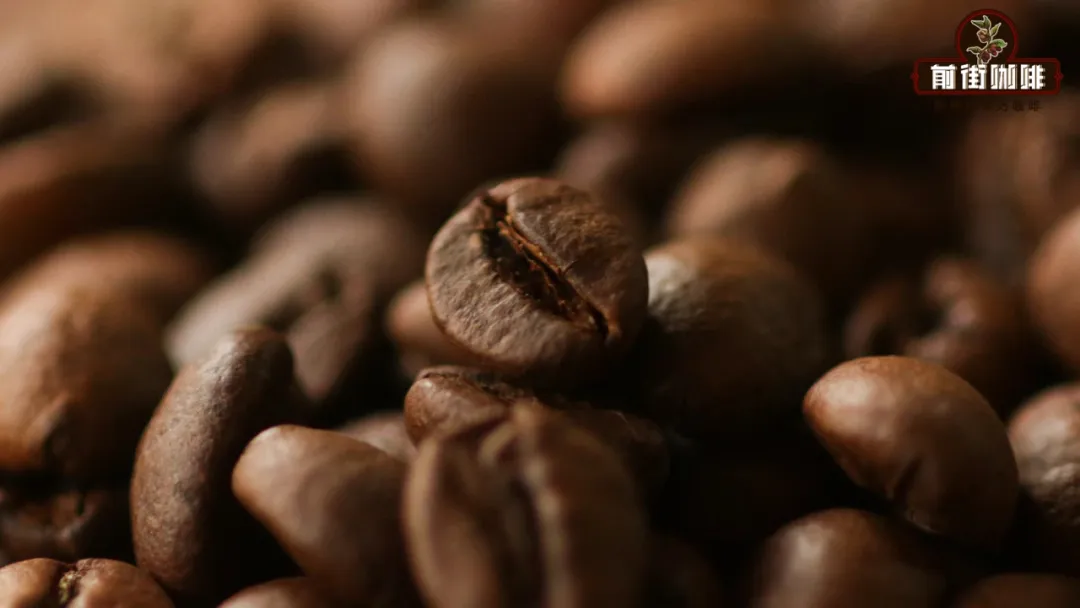
To determine whether your coffee beans are still within their freshness window, you can assess them in three simple ways. First, smell the dry aroma—fresh beans have a bright and layered fragrance, while stale ones often carry a dull or even rancid smell. Second, observe the degassing reaction when pouring water—if very few bubbles emerge after pouring, it indicates that the active degassing phase has already passed. Lastly, taste the brewed coffee—if the flavor is flat, the finish is short, or unpleasant off-notes are present, the beans have likely exceeded their prime.
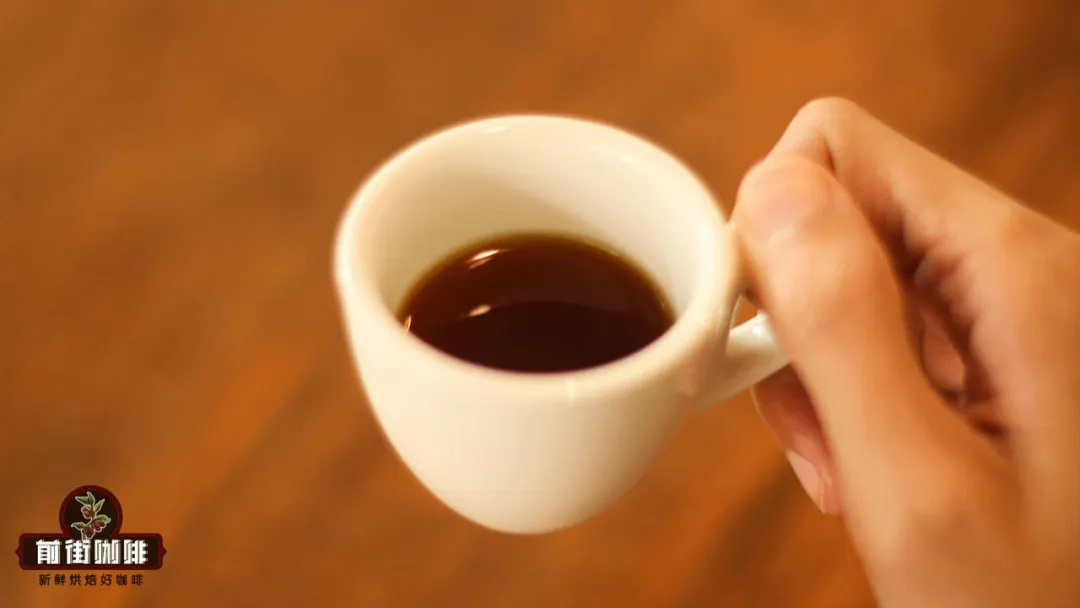
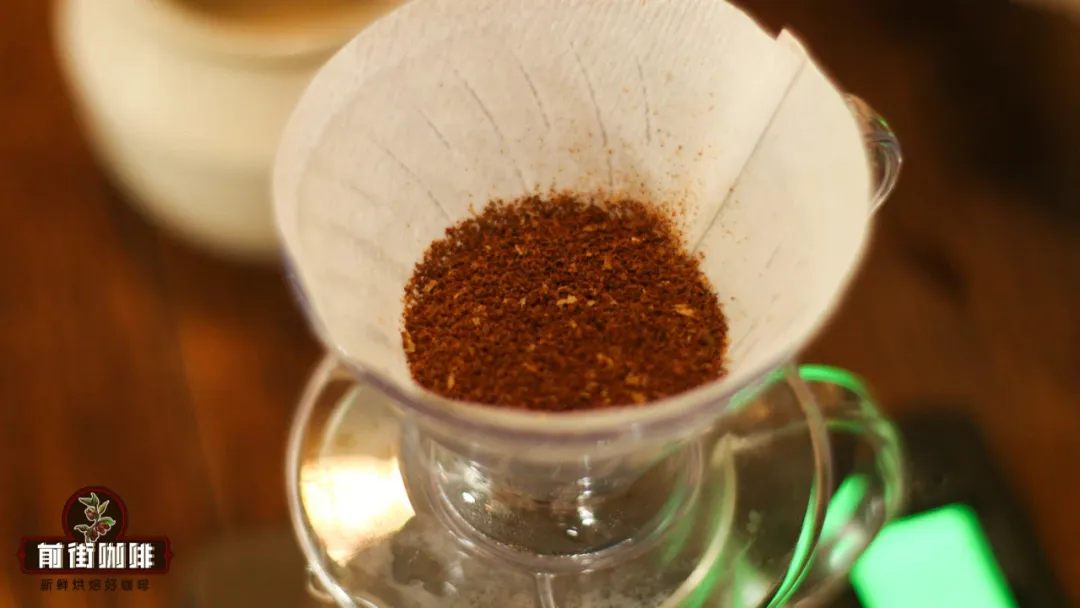
If the coffee beans at home have already passed their freshness window, don’t throw them away just yet. By adjusting your brewing parameters, you can still salvage some of the flavor. The focus should be on compensating for lost aroma, improving extraction efficiency, and avoiding over-extraction that leads to bitterness and astringency. Here are several practical adjustment strategies.
First, slightly increase the water temperature. For fresh beans, a range of 88–92°C is recommended, but for beans past their prime, it’s better to go up to 93–96°C to enhance the dissolution of flavor compounds. Next, adjust the grind size finer—over time, the internal structure of the beans becomes denser, so you can adjust the grind about one to two notches finer to increase contact between water and coffee grounds. Third, tweak the brew ratio; for instance, change from the common 1:15 to 1:14 to extract more flavor per unit of water. Lastly, in terms of pouring technique, switch to a slower, smaller-stream, pulsed pour to extend extraction time, helping more flavor compounds to be fully released.
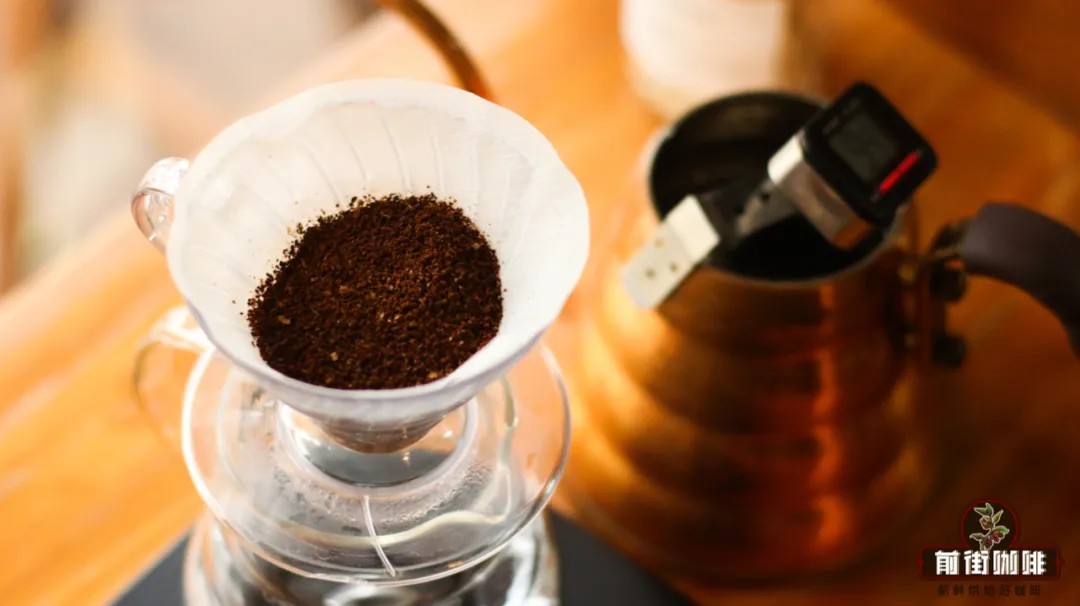
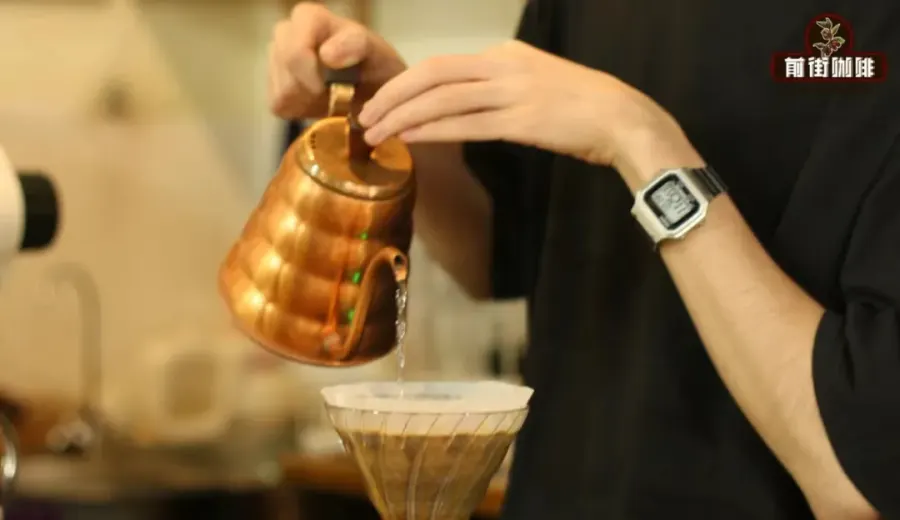
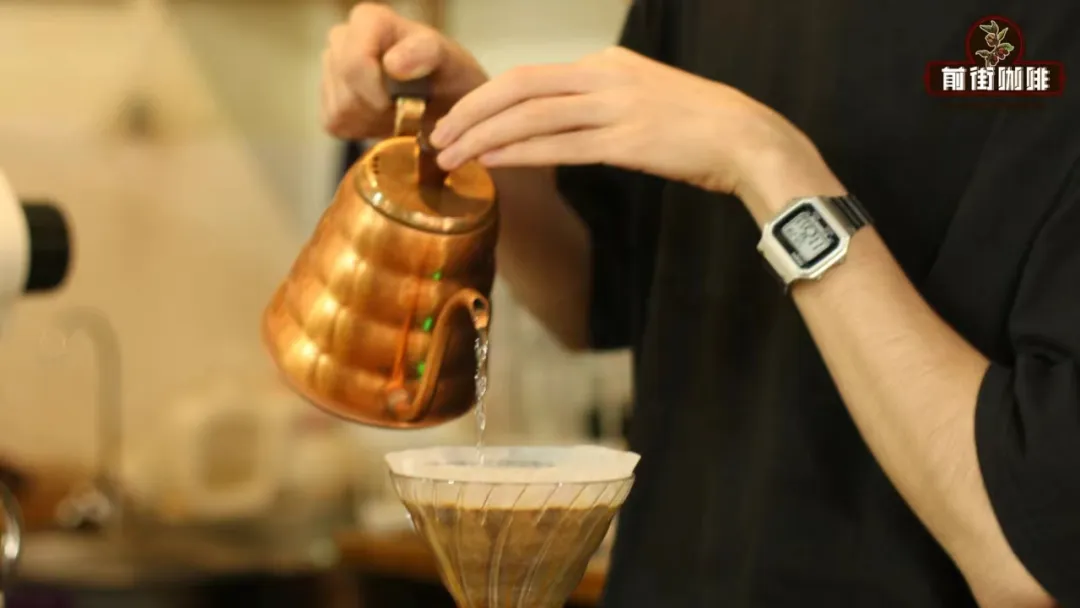
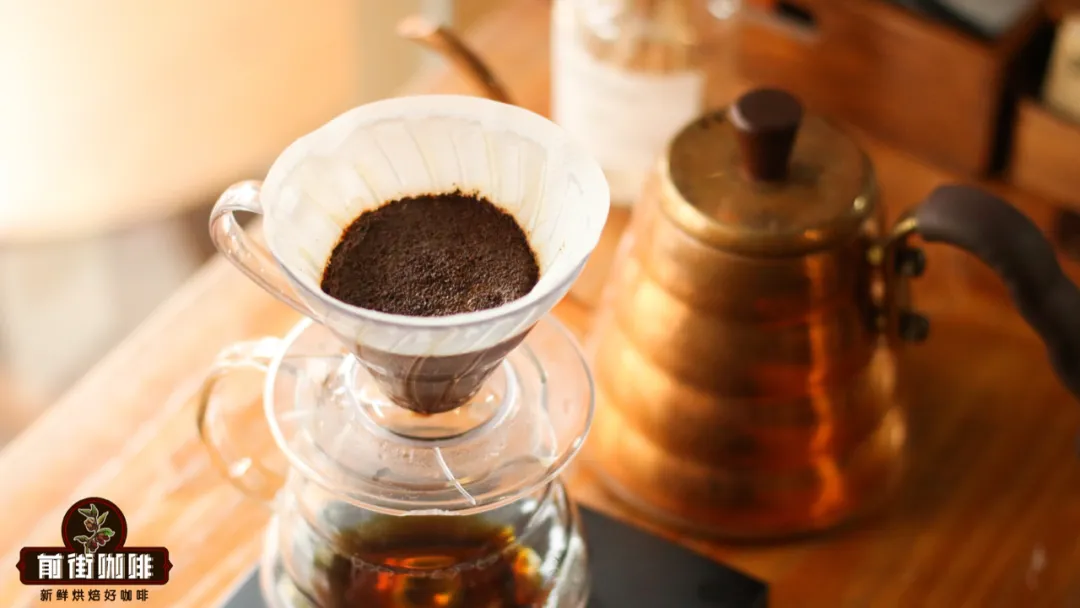
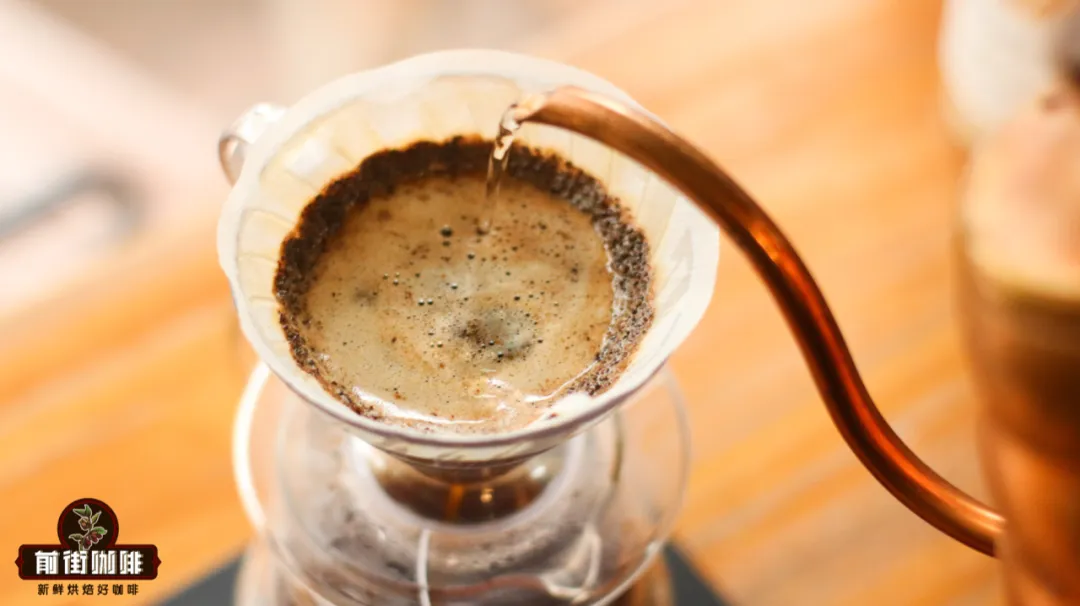
Taking pour over coffee as an example, here’s a practical brewing process you can follow: use 15 grams of coffee beans (using a common pour over bean as reference), adjust the grind to be slightly finer than your daily setting, and set the water temperature to around 94°C. First, wet the filter paper with hot water and discard the rinse water, then place the coffee grounds in the filter and gently tamp them down. The first pour is 30 grams of water for blooming, lasting about 30 seconds—some lack of bubbling is normal if the beans aren’t very gassy. Then, slowly pour in a circular motion up to 150 grams, and wait for the water level to drop naturally. Finally, pour up to 225 grams for the third stage, keeping the total brew time between 2 minutes 15 seconds and 2 minutes 30 seconds. This way, even if the beans are past their freshness window, you can still brew a cup with a relatively full body and pleasant sweetness.
Finally, remember that regardless of whether your coffee beans are within or beyond their freshness window, proper storage is key to preserving flavor. It’s recommended to store coffee beans in a sealed, light-proof, and cool environment, minimizing exposure to air. If you can’t finish them in a short time, consider dividing them into smaller portions and freezing them. When ready to use, grind directly from frozen without thawing to effectively slow down flavor degradation. Master these techniques, and you can still brew a satisfying cup even with beans that have been stored for a while.
The above content is compiled by CoffeeHunters, a coffee news website.


