








Introduction:To make a cold brew coffee at home with distinct flavor layers and a rich, smooth taste, the key lies in accurately mastering three core parameters: grind size, coffee-to-water ratio, and steeping time. This article will help you fully understand the impact of each variable, and provide practical advice—from bean selection to unique tips—to guide you step-by-step in crafting a stunning cold brew.
Cold brew coffee is actually a fairly simple brewing method—just mix coffee grounds with cold water and let it steep slowly in the fridge. But many people find that their homemade cold brew tastes overly bland, lacking depth and aroma, which is usually due to overlooking a few crucial brewing parameters.
In fact, by masteringgrind size,coffee-to-water ratio, andsteeping time—these three essential elements—you can consistently produce a cold brew with outstanding flavor. These parameters directly determine the final concentration, flavor intensity, and overall mouthfeel, and are also the dividing line between an ordinary cold brew and a premium one.

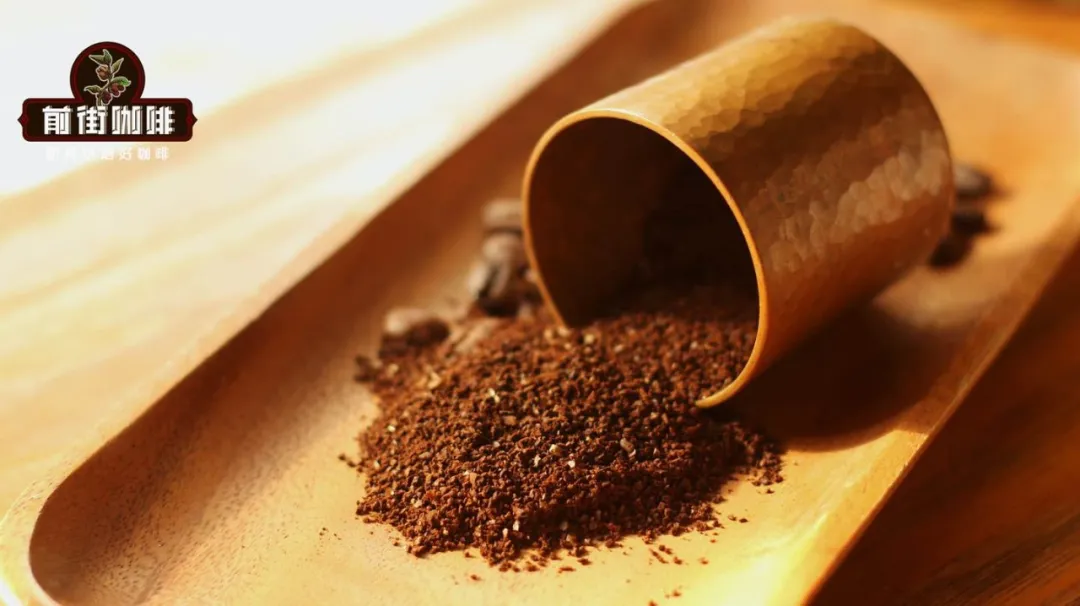
First is thegrind sizeof the coffee grounds. Cold brew is an extended immersion brewing method, unlike pour over where water flows quickly through the coffee. Therefore, you can choose a slightly finer grind than what you’d use for pour over. This increases the total surface area of the coffee, allowing water to penetrate more easily and extract more aromatic compounds. But don’t grind too fine, or you risk over-extraction, resulting in unpleasant bitterness.
Next is thecoffee-to-water ratio, which refers to how much coffee you use relative to how much water—this is the most direct factor affecting cold brew concentration. Common recommended ratios range from 1:8 to 1:12 (for example, 100 grams of coffee to 800–1200 milliliters of water), but if you prefer a stronger taste, you can aim for the 1:8 to 1:10 range. Many people end up with watery cold brew simply because they use too much water and too little coffee. For beginners, it’s better to brew stronger and dilute with ice later than to start with a weak base.
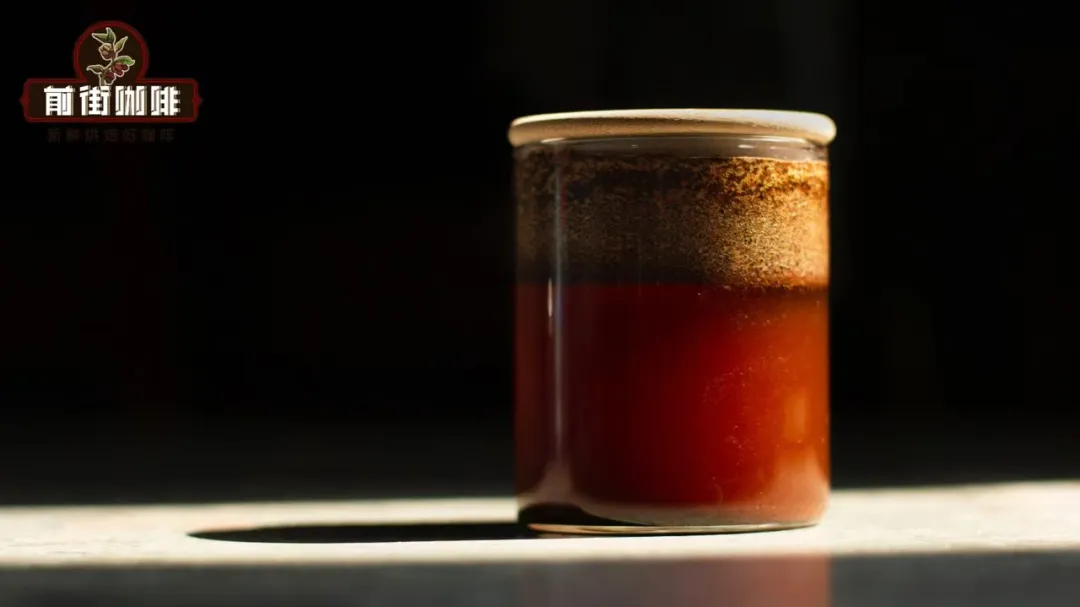
Finally, there’s thesteeping time, the crucial phase where all the flavor compounds slowly release into the water. The generally recommended steeping time is 12–24 hours. The longer the time, the more compounds are typically extracted, leading to a richer coffee flavor—but you also need to be cautious of over-extraction. If you prefer a smoother taste, you can shorten it to 12 hours; if you like a bolder, fuller-bodied cup, then 20–24 hours is recommended, depending on the characteristics of your beans.
Once you understand these three core parameters, you can start brewing. First, selecting the right coffee beans is crucial. If you prefer bright fruity notes, a refreshing acidity, and a juice-like mouthfeel, go forlight roastedcoffee beans; if you want more pronounced and distinctive flavors—such as evident winey or fruity fermentation aromas—then consider beans processed with adeep fermentation method; and if you enjoy rich, bold profiles with chocolate or nutty tones, thenmedium-dark to dark roastedbeans are your best choice.
Additionally, here’s a little tip especially suited for coffee lovers who enjoy creative flavors: when usingdark roasted coffee beansto make cold brew, try adding a small amount of dried osmanthus. When blended with the deep roast’s intense aroma, it can create a surprisingly smooth floral-fruity profile—a secret recipe many coffee enthusiasts love.
The above content is compiled by CoffeeHunters, a coffee news website.


