







Introduction:During the grinding process for pour over coffee, fine particles are always inevitably produced. These tiny particles not only affect the taste of the coffee but may also cause filtration difficulties. Understanding the fundamental differences between fine and coarse grounds and mastering the correct strategies to manage them can effectively improve the quality and flavor expression of your pour over brew. This article delves into the causes of fine particle formation, how they differ from the ideal grind size, and offers practical suggestions for handling them to help you more precisely control extraction results.
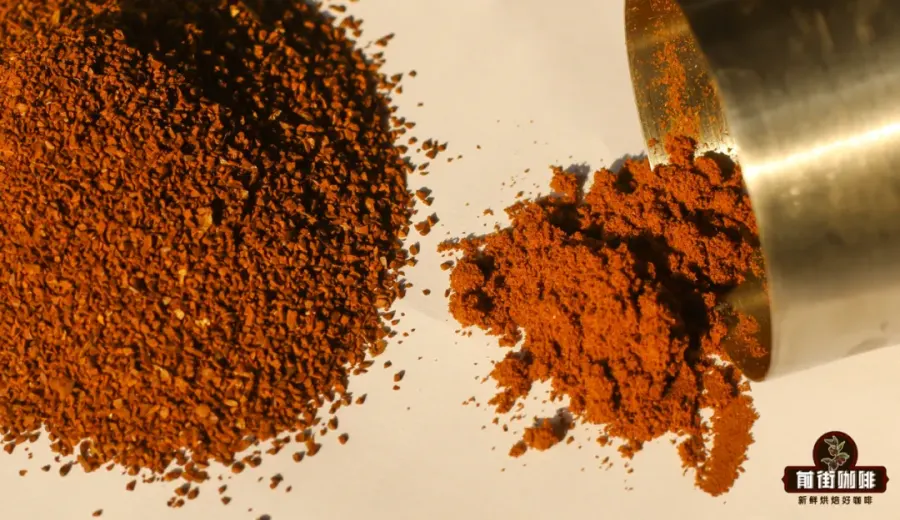
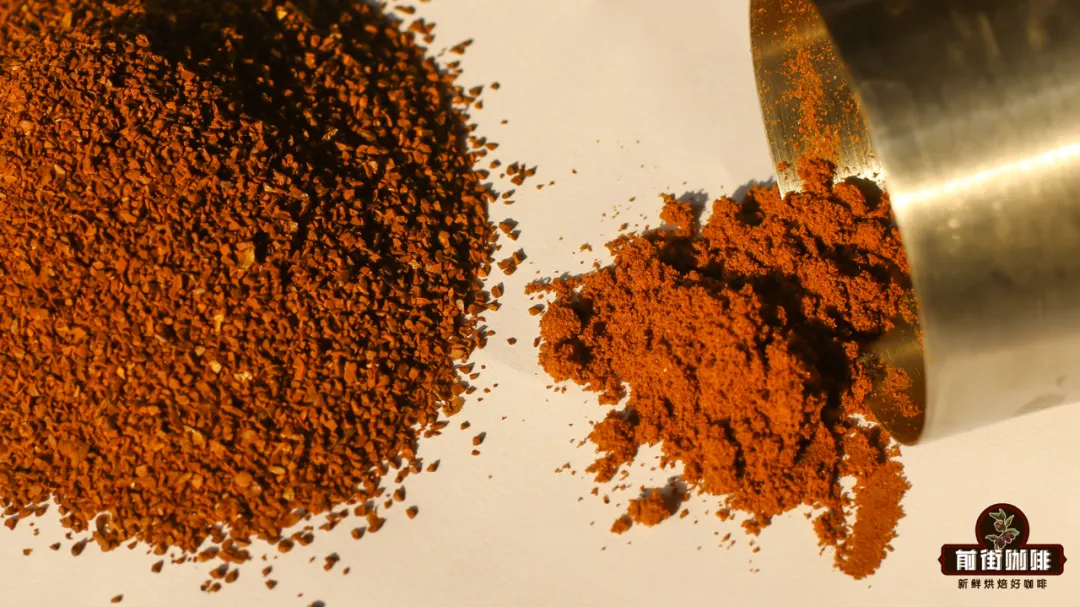
In the pour over brewing process, grinding is arguably the most critical step, yet it’s also the most prone to producing troublesome fine particles. Fine particles refer to coffee grounds with a particle size smaller than 0.1mm — a fineness akin to flour, smooth to the touch and easy to disperse. However, when we perform pour overs, we usually aim for a grind size in the range of 0.6–0.8mm to achieve a good balance of extraction. The difference between fine particles and the ideal grind directly impacts the final flavor of the coffee.
The formation of fine particles is closely related to the physical properties of the coffee beans themselves and the working principles of the grinder. Most grinders initially crush the beans under pressure, then further cut the fragments into smaller particles via rotating burrs. In this process, due to the inherent brittleness of coffee beans, extremely fine powder is easily generated when compressed, similar to the crumbs that fall when you break a cookie by hand. Particularly when the beans are more brittle, the amount of fine particles produced will increase accordingly. In addition, the sharpness of the grinder burrs and the overall manufacturing precision are crucial — the sharper and higher-quality the grinder, the more effectively it can reduce unnecessary fine particle production.
In the experience shared by many coffee enthusiasts, it’s often mentioned that “fine particles are a double-edged sword.” Indeed, due to their extremely small size, fine particles can release flavor compounds more quickly during extraction. If used in the right amount and handled properly, they can indeed add more complexity and detail to the coffee. However, if the proportion of fine particles is too high or not managed well, it can lead to over-extraction, causing unpleasant bitterness in the coffee, and may even affect the efficiency of water passing through the filter paper, resulting in uneven filtration or overly slow dripping.
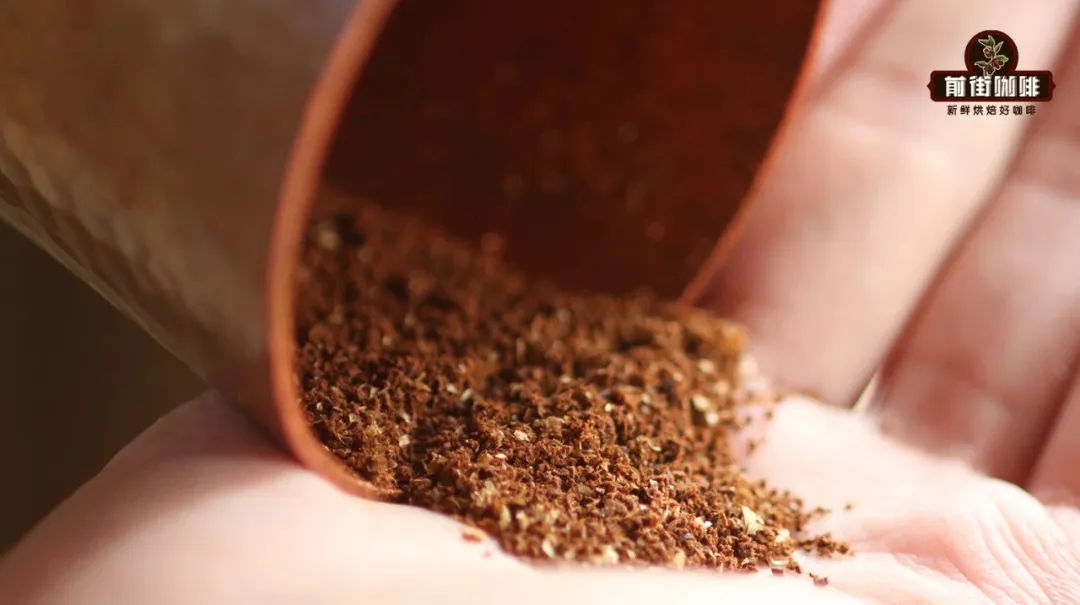
To determine whether your ground coffee contains too many fine particles, the simplest way is to observe and feel them. Pour the ground coffee into a white container and observe the distribution of the particles under natural light. If you notice a large number of extremely fine, almost powdery particles, it indicates a high proportion of fine particles. Additionally, if you gently stir the coffee grounds with your hand and feel a lot of fine powder rising, that’s also a clear sign of excessive fine particles. These observations can help you make appropriate adjustments before brewing.
There are several practical methods you can try to deal with the issue of fine particles. The most common approach is to use a sieve to filter out overly fine powder after grinding. There are fine mesh sieves specifically designed for sifting coffee grounds that can effectively separate out the excessively small fine particles, leaving behind coffee grounds closer to your target grind size. Alternatively, before pouring hot water, you can gently stir the bed of coffee grounds to allow the fine particles to naturally settle at the bottom, and then carefully use the more uniform upper layer of coffee grounds for your pour over, thereby reducing the impact of fine particles on overall extraction.
When setting the grind size for pour over, it’s recommended to fine-tune based on the characteristics of the coffee beans used and your brewing method. For example, light roast coffee beans usually require a slightly finer grind to promote flavor release, but this also makes them more prone to producing fine particles — in which case, extra care should be taken to sieve out the excess powder. Medium to dark roast beans, on the other hand, release flavors more quickly on their own, so you can moderately adjust the grind coarser. This not only helps reduce the generation of fine particles, but also aids in controlling extraction time and achieving a balanced flavor.
The above content is compiled by CoffeeHunters, a coffee news website.


