







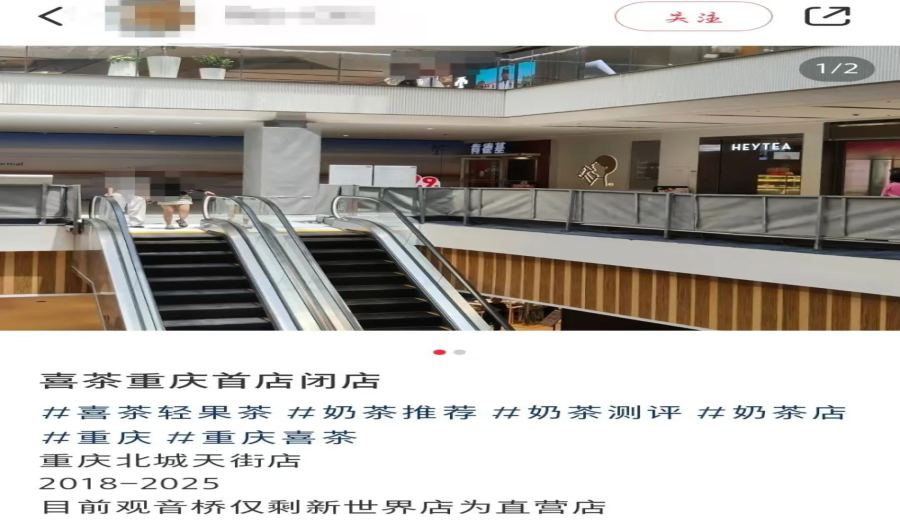
Introduction:Chongqing’s first Beicheng Heytea store has suddenly closed, with the brand simultaneously announcing a pause in franchise expansion, drawing public attention to the competitive landscape and quality control in the tea beverage industry. From Chongqing to Shandong and Anhui, multiple stores have been shutting down one after another. What strategic signals does this series of moves from Heytea reveal? This article delves into the reasons behind the closures, adjustments in market layout, and the potential impact on franchisees and consumers.
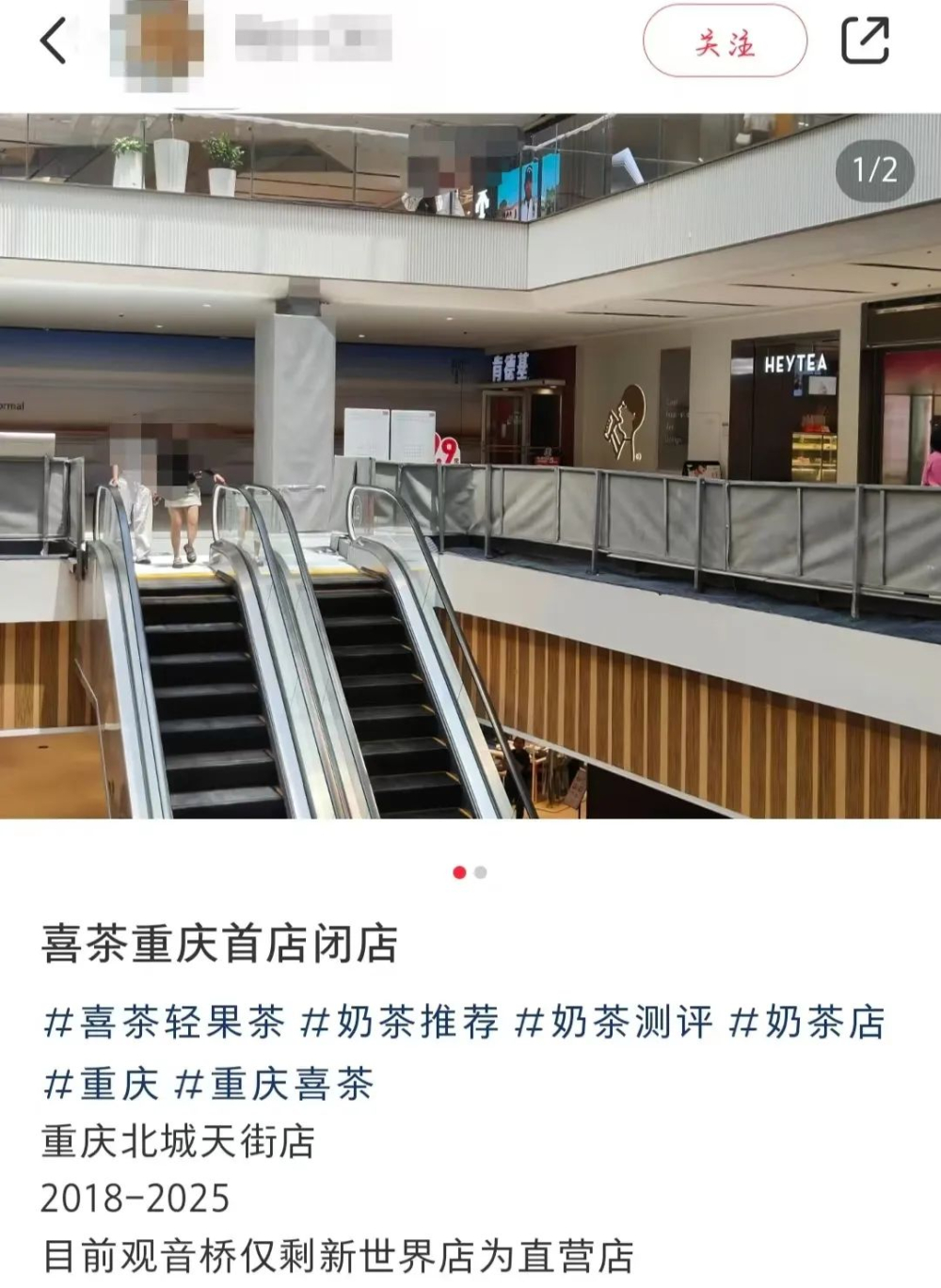
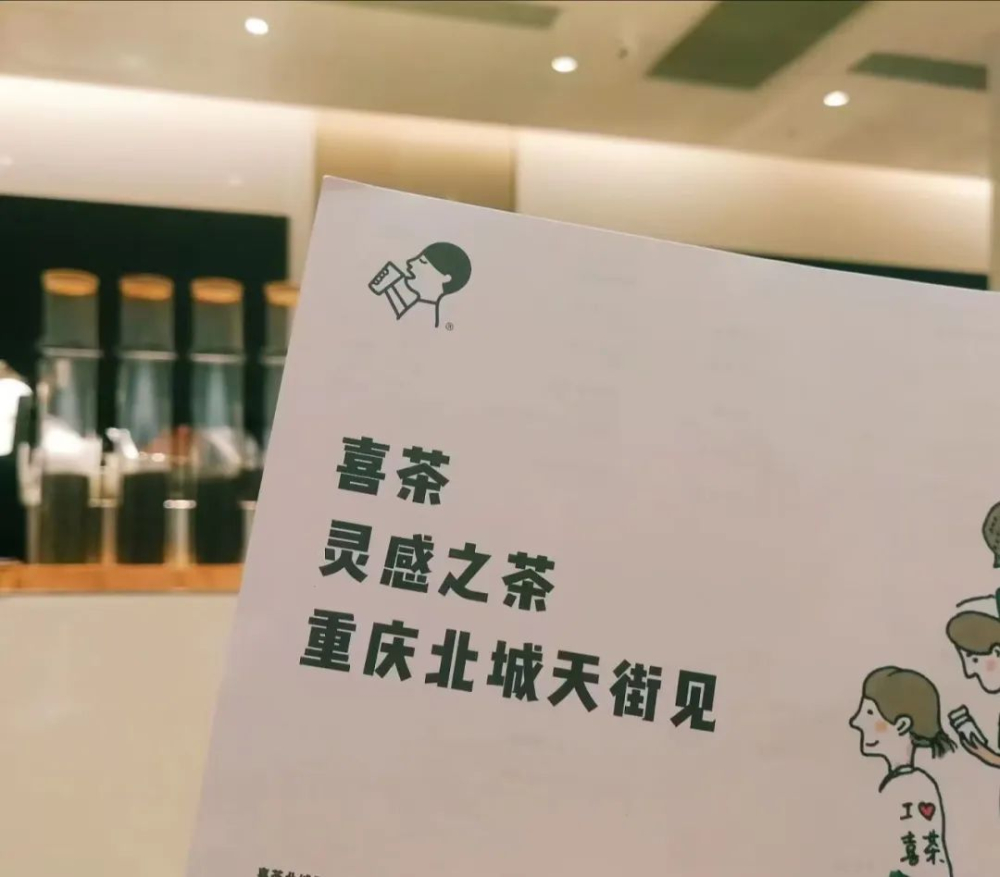
Heytea’s first store in Chongqing’s Beicheng district has officially ceased operations recently. This outlet, beloved by consumers since its opening in 2018, was once a key flagship location for the brand in the local market. Not only did it reach peak popularity, but it also attracted large numbers of customers who queued specifically to try bestsellers such as “Berry Grapefruit.” However, this store, which had accompanied Chongqing’s tea beverage enthusiasts for many years, has now quietly shut down, surprising many loyal customers.
According to local residents’ recollections, this store was not only the brand’s entry point into Chongqing, but its consistent product quality and brand image also made it a well-known hub in the area. Despite maintaining solid operational performance for a long time, it couldn’t overcome real-world challenges. The sudden closure news in recent days left many fans astonished. Some customers learned from contacting official customer service that the store will definitely not reopen, sparking market speculation.
Behind the closure: The dual pressures of high rent and brand strategy
Local analysis suggests that the rent cost at this store’s location is relatively high, and its role as a brand showcase may have resulted in limited actual profit margins. Some observers believe that the brand may have chosen not to renew the lease upon expiration, based on an overall evaluation of operational efficiency. Additionally, nearby residents mentioned that KFC, which was on the same floor as Heytea, also closed simultaneously, leading to speculation that it might be related to upcoming renovation work in the mall, further impacting the store’s sustainability.
However, it’s worth noting that although Heytea’s first Chongqing store has ceased operations, new stores in the surrounding area still provide services, and consumers can still purchase Heytea products nearby.
Heytea’s store closures are not an isolated incident. A search on social media platforms reveals that stores in Zibo and Xuecheng in Shandong, as well as Binhu in Anhui, have also successively reported closures or temporary suspensions of operations. Among them, some stores that had been in operation for only about a year have been found selling off internal equipment, further drawing market attention to the brand’s operational strategy.
Earlier this week, Heytea announced via an internal email to all employees that it would“temporarily stop accepting new franchise applications,”and emphasized focusing on supporting existing partners, returning to the brand’s core values and user experience. This letter, seen by the public as a strategic shift, quickly sparked heated discussions in the industry and even briefly trended on Weibo, becoming a focal point of market attention.
Industry analysts pointed out that although Heytea has made certain progress in market expansion in recent years, compared to competitors like Mixue Ice Cream & Tea and Guming, its number of stores is still relatively low. This proactive deceleration is considered the brand’s intention to break away from the “scale competition” model and instead seek a more sustainable business path.
For consumers, Heytea’s pause in franchise expansion may not be bad news. Many loyal customers have noted that since the brand began franchising, product quality and service standards at some stores have fluctuated, while directly operated stores have shown relatively more stable performance, which is preferred. Therefore, some observers predict that Heytea may further strengthen quality control management and readjust its store network layout in the future, with the number of stores possibly decreasing rather than increasing in the short term.
Overall, from the closing of Heytea’s first Chongqing store, to the adjustments across multiple stores nationwide, to the shift in franchise policy, this round of moves by Heytea not only reflects changes in the market environment but also reveals the brand’s deep consideration regarding its future direction. For the industry, this serves as an important case study in observing how tea beverage brands seek breakthroughs in a highly competitive landscape.
The above content is compiled by CoffeeHunters, a coffee news website.


