







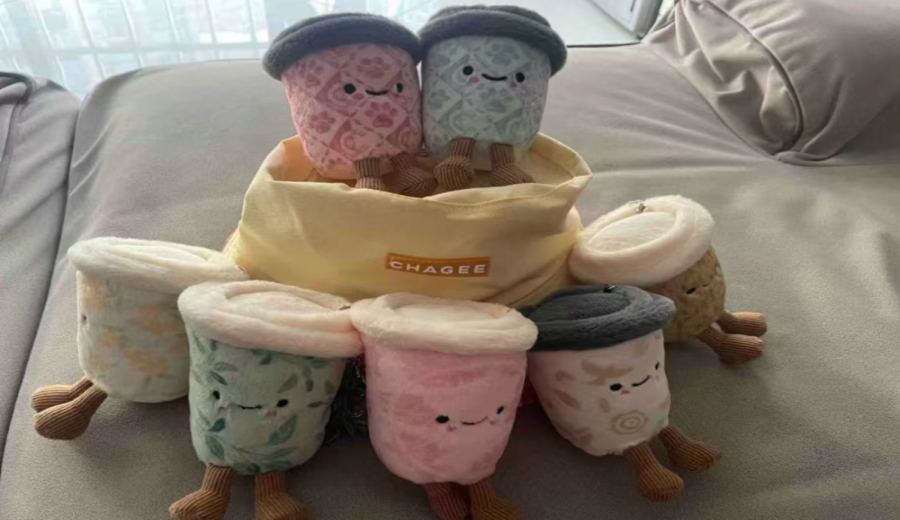
Introduction:The blind box plush toy figurines shaped like boba tea cups, launched in a collaboration between Chagee and Jellycat, have recently sparked a buying frenzy. However, many customers reported that when they went to pick up their orders, they discovered the boxes had already been opened—turning them into “seen boxes.” Store staff explained it was for quality inspection, but some customers suspected it was to screen for popular designs. So, is there any impropriety behind the unboxing of these blind boxes? How should consumer rights and the fairness of the event be safeguarded? This article takes you through the full story and the underlying concerns.
Recently, Chagee teamed up with the well-known lifestyle and toy brand Jellycat to release a series of adorable plush toy figurines modeled after boba tea cups, which were sold as blind boxes paired with limited-edition meal sets. The campaign quickly garnered attention from young consumers, with many stores selling out shortly after launch, and some cities running out of stock within just a few days, prompting fans to turn to second-hand platforms to find them.
According to the campaign rules, customers who place orders for specified meal sets through the brand’s mini program or other online channels will randomly receive one blind box plush toy. However, recently, a number of customers have reported that when they went to pick up their orders in-store, they found the packaging of what should have been a sealed “blind” box had already been opened, turning it into an easily viewable “seen box.”
A netizen from Jiangxi shared his experience, saying that when he went to the store to collect his order, the staff presented him with fully opened blind boxes and explained that they had to open them in advance for “quality inspection,” even going so far as to show him the design inside for him to choose from. Although he didn’t notice anything unusual at the time, upon reflection, he felt he hadn’t actually received a true blind box, and began to question whether the store’s box-opening procedures were compliant.
Similar situations are not isolated cases. Many customers have posted photos of the plush toys they received on social media, with some mentioning “only realizing at home that there were signs of tampering,” others noting “the bottom of the delivery box had been pried open,” and even some discovering “the pull tab had been partially torn, revealing the contents inside.” All signs suggest that these blind boxes may have been tampered with prior to delivery.
According to seasoned blind box collectors, most commercially available collectible blind boxes come with an “ID card” inside. Even if the outer packaging isn’t opened, simply checking the card can reveal the design. As a result, some consumers suspect that store employees might be breaking the outer packaging to check the ID cards, thereby selecting popular designs and keeping the more sought-after plush toys for themselves.
It’s worth noting that since their release, the value of these blind box plush toys from Chagee has been steadily rising. Some popular designs have even doubled in price on second-hand trading platforms. This has led many fans to suspect that some employees may be motivated by profit, secretly opening all the blind boxes to pick out the high-demand designs and then sending out only the less popular ones with customer orders.
For blind box enthusiasts, the greatest joy lies in the unknown and the surprise—even if they don’t get their desired design, they often attribute it to luck and don’t dwell on it too much. But once a blind box becomes a “seen box,” that element of surprise is completely lost. Consumers have lamented, “What’s the point if it’s already been opened?” More importantly, this practice is widely seen as undermining the fairness of the event, severely affecting the overall consumer experience.
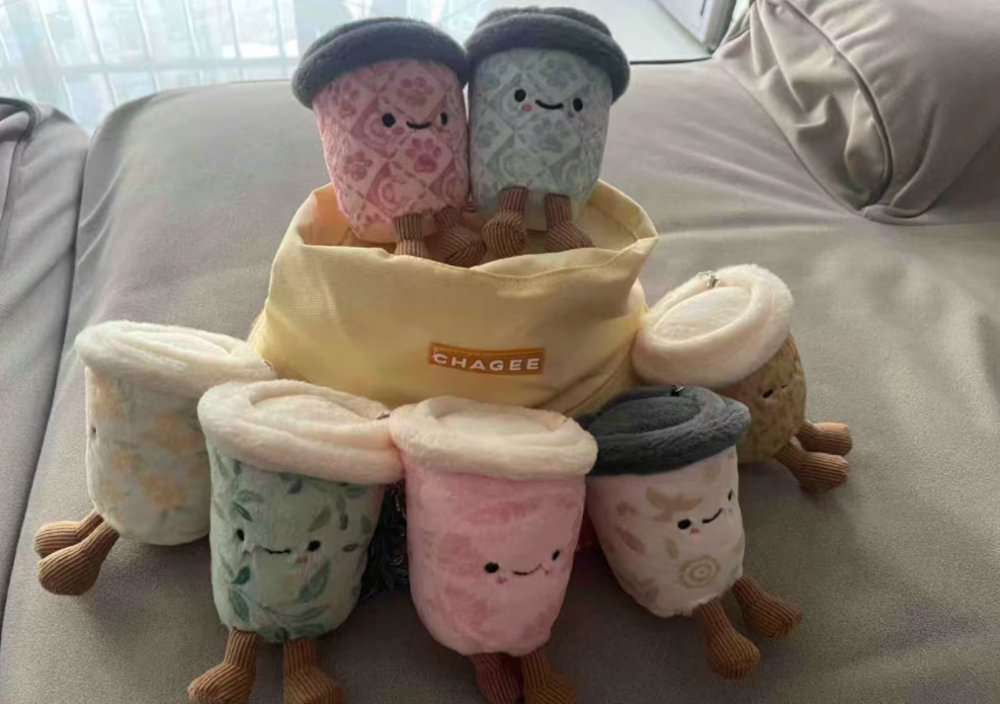
In response to consumer doubts, a netizen claiming to be a store employee stepped forward to explain that each store actually has a corresponding inventory of plush toys. Whenever a customer successfully places an order, the system automatically deducts the corresponding stock. Since the brand has a policy prohibiting employees from purchasing items in advance, most of the plush toys ultimately go to regular customers.
The employee further explained that as soon as the official mini program and other event pages were updated with new product details in the early hours of the morning, many customers who had been waiting eagerly quickly placed pre-orders. As a result, inventory at many stores was quickly depleted—not because, as some speculated, employees intentionally held back stock or refused to put it up for sale.
The above content is compiled by CoffeeHunters, a coffee news website.


