







Introduction:In recent years, consumers have become increasingly concerned about the ingredients and calorie information of beverages, prompting brands to display health-related data to attract the market. However, recent revelations by Luckin Coffee employees have sparked public scrutiny over the syrups and formulated milk used in flavored lattes. This article delves into the actual use of common additives in chain coffee brands, analyzes their potential health impacts, and offers practical advice to help readers make more informed choices.
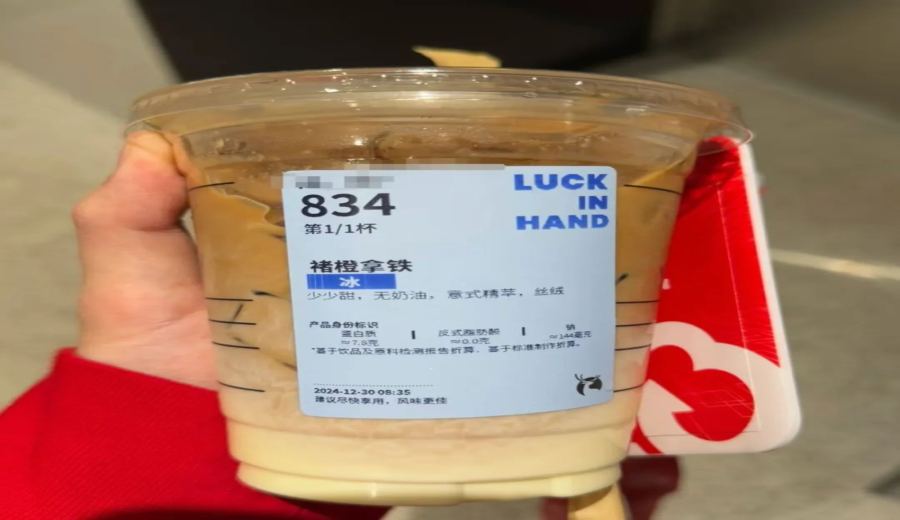
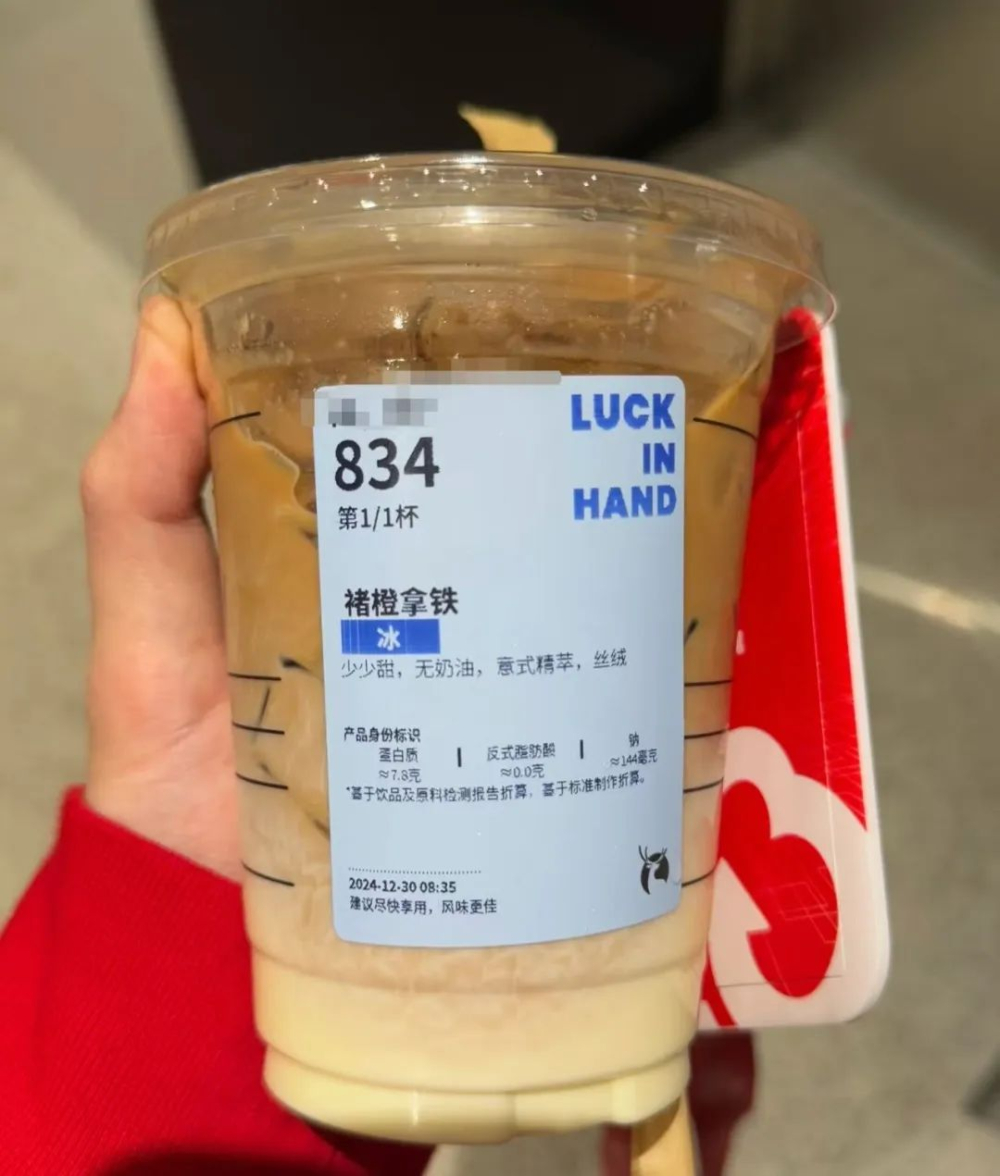
Modern consumers are paying more attention to the ingredients and calorie content of coffee drinks, and many brands have responded by introducing health labels that clearly indicate caffeine and calorie data to facilitate customer decision-making. Luckin has also followed this trend, displaying calorie information on cup stickers, which has earned praise from many users.
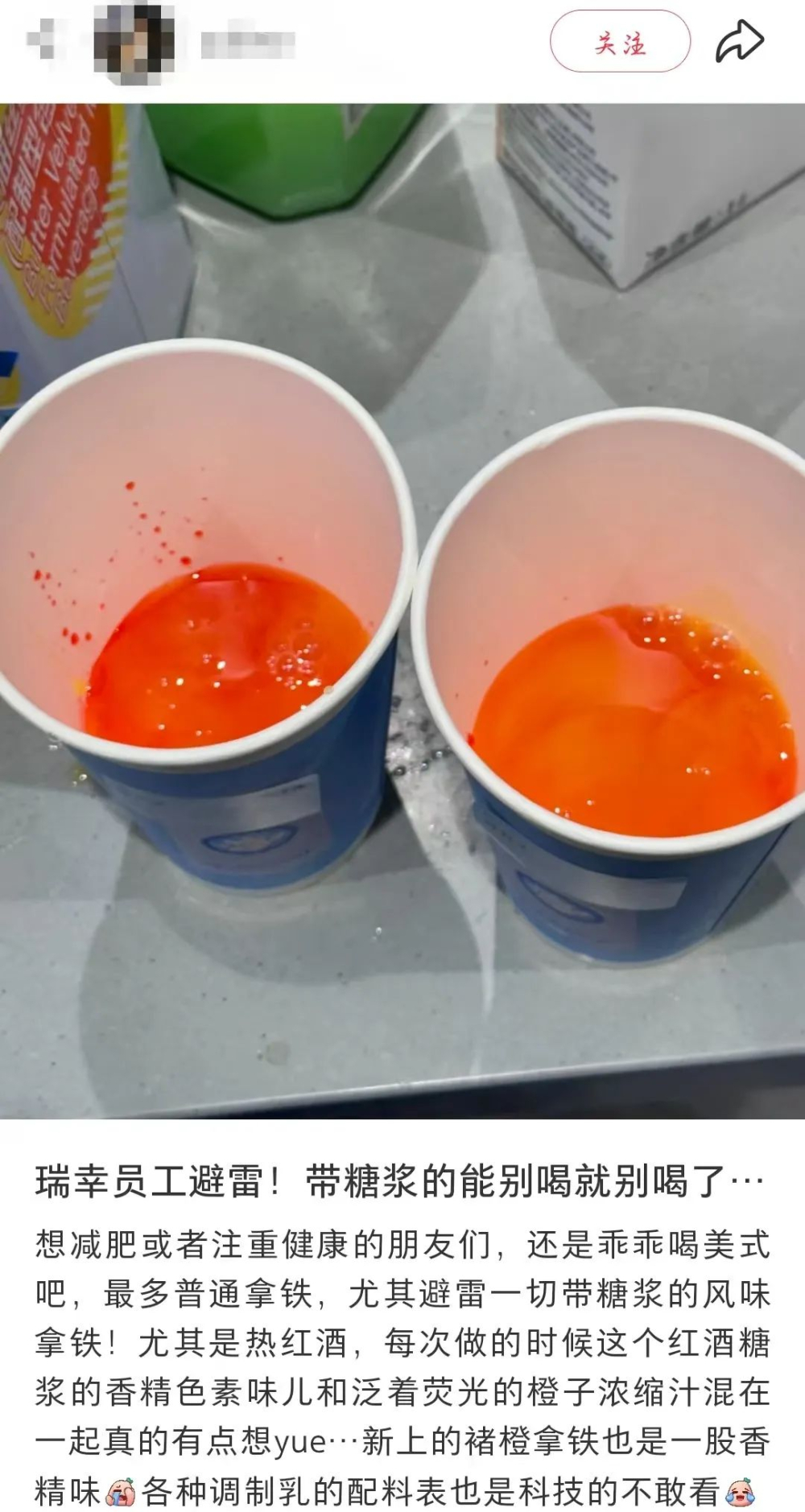
However, a Luckin employee recently posted on a social platform, bluntly stating that flavored lattes containing syrups are loaded with food additives, and advised health-conscious customers to avoid such products as much as possible. The employee revealed that while making a hot mulled wine Americano, they detected the smell of flavorings and artificial colors from the syrup, describing it as nauseating when mixed with certain concentrated fruit juices.
This post quickly sparked widespread discussion, with many Luckin employees responding in confirmation of these claims. One employee mentioned that the newly launched Chu Orange Latte also had a noticeable artificial flavor, while others pointed out that aside from basic milk and Americano coffee, other drinks contain a wide variety of additives, especially matcha and tea-based beverages, which were not exempt. Some part-time employees even directly suggested that ordering a sugar-free Americano or plain latte is the healthiest choice.
These revelations shocked many loyal customers, who flooded the comments section asking whether their usual fruit-flavored Americanos, flavored lattes, and light milk teas should also be blacklisted. Some consumers stated that seeing baristas pour in fruit jam and syrups on the spot made them lose confidence in these visually appealing but heavily additive-laden drinks, prompting them to brew at home instead.
Industry insiders noted that the use of syrups and formulated milk is extremely common in the chain coffee market. These ingredients allow for the quick creation of various flavors, such as toffee, hazelnut, orange, and apple, catering to different consumer tastes. However, these additives often come with long ingredient lists and numerous food additives, which, although mostly meeting safety standards, still raise health concerns.
Some consumers said that after witnessing baristas add various syrups and fruit jams to drinks, they began brewing at home using coffee machines and high-quality beans to avoid unknown additives. Some Luckin employees also admitted that since joining the company, they no longer consume drinks with formulated milk or syrups, opting instead for Americanos or plain lattes.
However, there are also views that using syrups and fruit jams can reduce the bitterness of coffee, attracting more people who are not accustomed to the flavor of coffee, and helping to develop innovative drinks to enrich the menu. For consumers, if health is the primary concern, it’s best to choose classic options with little to no additives, such as Americanos or plain lattes; if flavor experience is more important, occasionally enjoying a flavored latte can still be a treat.
In summary, although the syrups and formulated milk commonly used by chain coffee brands contain multiple additives, occasional consumption is generally not harmful to health as long as it complies with national standards. It is recommended that consumers make moderate beverage choices based on their individual needs and health goals, and consider homemade options when necessary to ensure more transparent ingredient sources and preparation processes.
The above content is compiled by CoffeeHunters, a coffee news website.


