







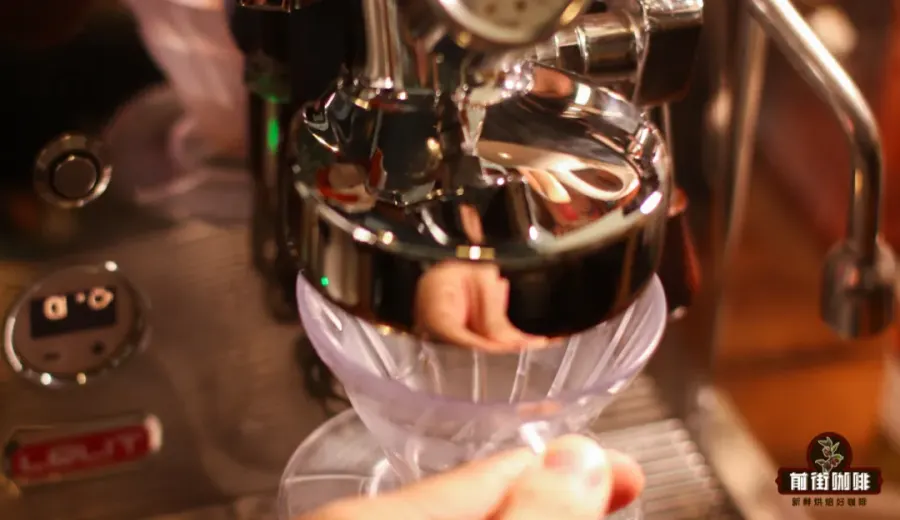
Introduction:Have you ever wondered if your home espresso machine could double as a pour over tool? This article delves into the feasibility of using an espresso machine to brew pour over coffee, exploring everything from water temperature control and grind size adjustments to step-by-step operation methods. With experimental data from Elida Estate’s Catuai beans, we’ll guide you through the techniques and limitations of cross-equipment extraction, along with practical tips to enhance flavor.
When the size of a pour over filter cone unexpectedly matched that of an espresso machine’s brew head, an interesting experimental idea was born: could you use an espresso machine to make pour over coffee? This article will examine the actual effects of this cross-category operation from both theoretical and practical testing perspectives, using Elida Estate’s medium-light roasted Catuai beans as an example to break down key parameters and flavor differences.
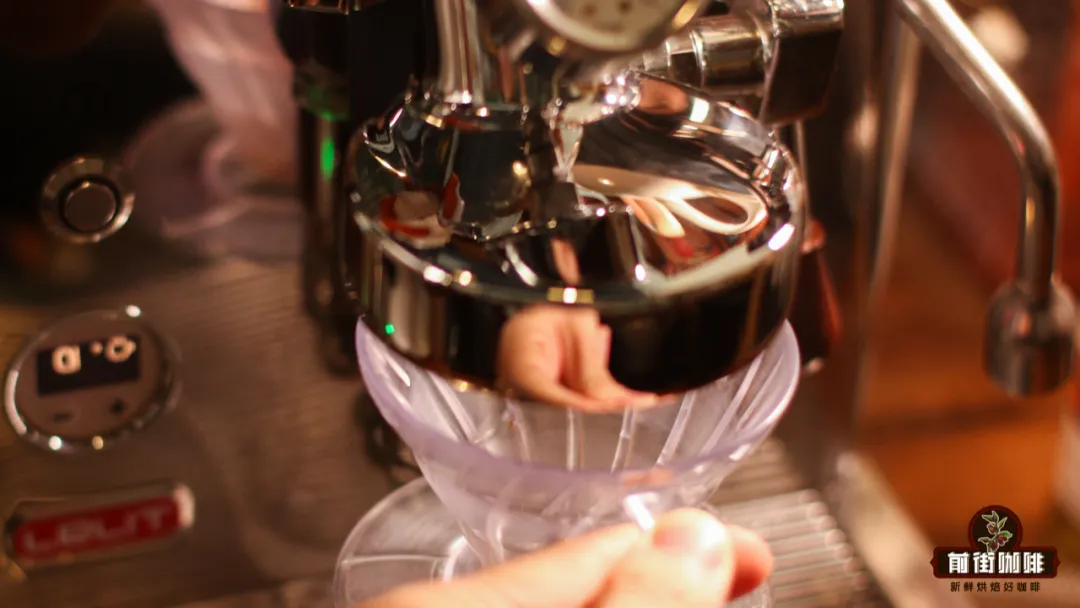
The experiment found that the diameter of the espresso machine’s brew head perfectly matches that of commonly used pour over filters, sparking a bold attempt — replacing manual pour over pouring with the machine’s hot water system. While this method remains debatable in definition, it is technically feasible: modern espresso machines generally offer precise water temperature adjustment (often reaching above 90°C), and their multi-hole shower design can achieve relatively even immersion. However, a critical flaw is that the machine cannot provide the stirring action of manual pour over, leading to reduced permeability of the coffee grounds and potential under-extraction.

This limitation can be mitigated in three ways: increasing the water temperature to 94°C (note that the actual output temperature may be slightly lower), switching to a fine sugar-like grind size (tested on an Ek43 grinder at setting 10 / 20-mesh sieve with 80% extraction rate), or extending the single extraction time. Advanced users may also incorporate physical stirring tools such as bamboo spoons. This experiment used 20 grams of coffee grounds with a 1:15 coffee-to-water ratio, employing a classic three-stage pouring technique to simulate the pour over process using the machine’s stable water flow.
Important reminder: before operating, make sure to thoroughly clean the brew head, as residual coffee grounds may contaminate the filter cone and introduce off-flavors. Do not skip the paper pre-wetting step, as it prevents paper taste from interfering with the coffee’s inherent flavors.
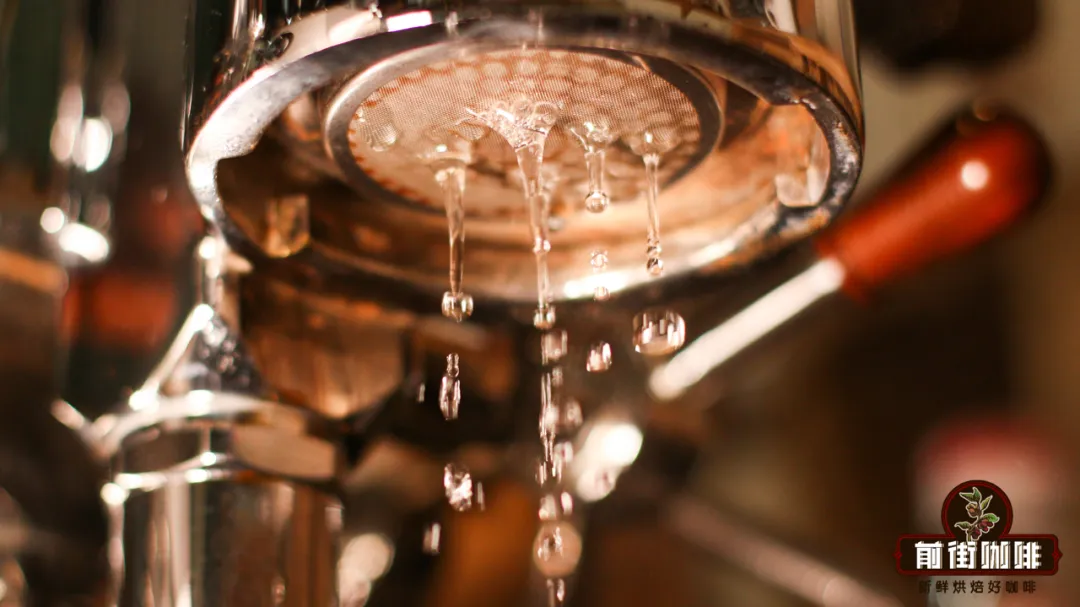
The experiment used a V60 (01 model) filter cone for a three-stage extraction, injecting hot water at varying flow rates while monitoring temperature changes throughout. Although this unconventional approach can produce pour over coffee with a clear flavor profile, compared to traditional manual pouring, it noticeably lacks bright acidity and layered complexity. It’s recommended that amateur enthusiasts try this method as a backup, but for those seeking the ultimate in extraction quality, dedicated pour over equipment remains the top choice.
Extended knowledge: If you want to replicate a similar experiment at home, remember to choose an adjustable-temperature espresso machine (preferably with a PID temperature control module), and prioritize medium-light roasted African coffee varieties. These beans are more sensitive to changes in water temperature and grind size, making it easier to observe the flavor differences brought about by parameter adjustments.
The above content is compiled by CoffeeHunters, a coffee news website.


