







Introduction:The United States is planning to impose a 25% tariff on goods from Canada, triggering a chain reaction. As a well-known Canadian coffee brand, Tims is actively adjusting its supply chain to reduce reliance on U.S. suppliers and shift toward domestic sourcing. This article delves into the reasons behind Tims' supply chain transformation, the scope of its impact, and real consumer feedback on "100% localized" products, helping readers understand how international trade shifts are affecting everyday beverage choices.
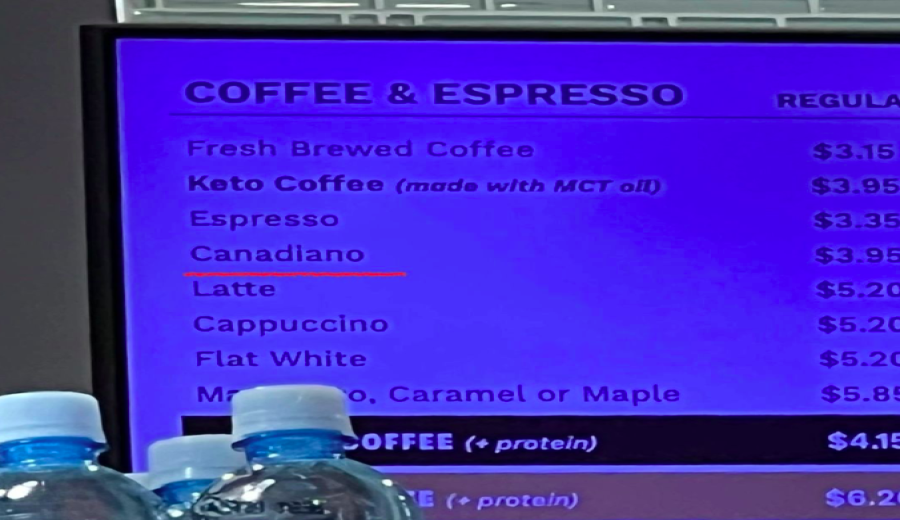
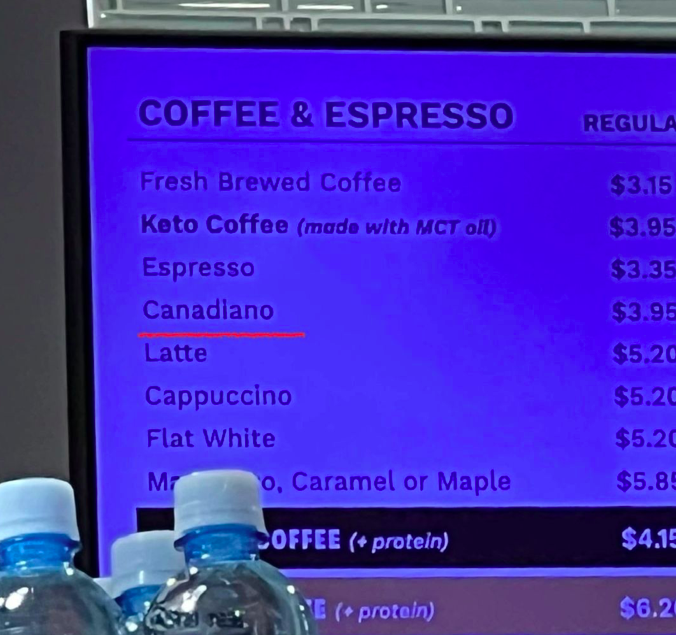
The U.S. government recently signaled its intention to impose tariffs as high as 25% on imports from Canada, sparking widespread discussion across the country. Not only has there been strong public backlash, but local coffee industry players are also facing significant challenges in supply chains and costs. Some independent cafés have protested by renaming “Americano” to “Canadiano,” while the chain brand Tims has opted to tackle the issue at its root by proactively adjusting its supply chain strategy toward reducing dependence on U.S. suppliers.
Tims’ move is not a mere statement of brand stance but a pragmatic response to a potential trade war. Axel Schwan, President of Tims Canada and the U.S., noted in an interview that while most of the goods and materials used by the brand in Canada are already sourced locally, certain ingredients—including some coffee beans, food items, and packaging materials—still rely on imports from the U.S. Should the U.S. implement the tariff policy, along with possible retaliatory measures, operational costs would undoubtedly rise significantly.
“We are evaluating how to mitigate the impact of these potential costs on our franchisees and are fully prepared,” Axel Schwan further explained. Although specific items to be sourced from Canadian suppliers have not yet been publicly disclosed, it is expected that adjustments will cover multiple aspects, including coffee beans, food ingredients, and even takeout packaging materials.
Industry analysts point out that if Tims fully transitions to domestic sourcing, its current supply chain of coffee beans roasted in the U.S. could be the first to be affected. In addition, ingredients used in main meals such as sandwiches, as well as packaging items like coffee cups, straws, and takeaway bags—if previously imported from the U.S.—will also be impacted. These changes may not only affect the overall flavor profile of the products, but also lead to adjustments in appearance design and packaging materials, thereby influencing consumers’ purchasing experience and brand perception.
However, while supply chain localization is a growing trend, whether consumers will truly embrace "100% made in Canada" products remains uncertain. Not long ago, Tims launched a new breakfast series promoted as using "100% fresh eggs from local farms," aiming to align with the localization appeal. Yet it unexpectedly received a lukewarm market response, with some consumers even expressing dissatisfaction on social platforms, stating bluntly that “the quality of these food items did not meet expectations,” showing that a localization strategy may not directly translate into market acceptance.
It is worth noting that supply chain adjustments have multifaceted impacts on coffee products. For instance, the origin of the coffee beans, the roasting method, and the transportation time all directly influence flavor release and freshness. Switching to locally roasted beans or beans from different regions may alter the original flavor profile, such as key parameters like acidity, sweetness, and body. For consumers, these subtle differences may be hard to detect in daily drinking, but for coffee enthusiasts, they could affect overall satisfaction.
Additionally, changes in packaging materials may also affect product freshness and portability. For example, if the originally used U.S.-imported eco-friendly materials are replaced with other local options, differences may arise in insulation, leak-proof performance, or reusability—details that brands must carefully evaluate during the transition.
Overall, Tims’ supply chain adjustments in response to tariff threats are both an immediate response to global trade shifts and a long-term strategy for deepening its presence in the local market. However, striking a balance between cost control, product quality, and consumer expectations will be a key challenge for Tims in the coming period. For consumers, in addition to monitoring price changes, they can also observe the actual effectiveness of the brand’s transformation through details such as flavor, packaging, and ingredient sources.
The above content is compiled by CoffeeHunters, a coffee news website.


