







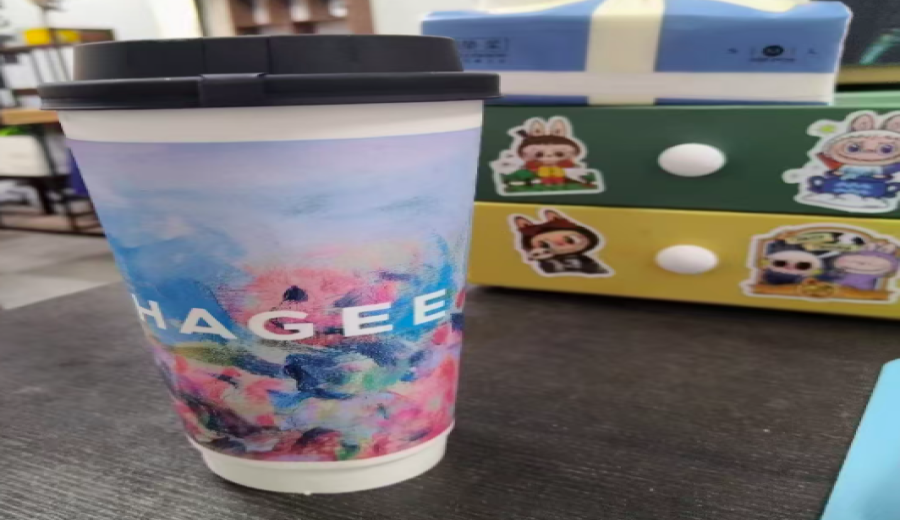
Introduction:During Valentine’s Day, ChaBaQi launched a limited-edition drink called “Among the Rose Bushes,” which received mixed reactions from consumers. Many customers reported not being able to detect the expected rose aroma and even questioned the alignment between the name and flavor after comparing it with classic offerings. This article delves into the new product’s recipe, actual flavor profile, and offers practical advice for selecting rose-themed tea drinks to help readers make more satisfying choices.
On the eve of Valentine’s Day, the tea beverage market saw a surge in rose-themed products. Among them, ChaBaQi collaborated with Spain’s Thyssen-Bornemisza National Museum, drawing inspiration from Monet’s famous painting “House Among the Roses” to launch the limited-edition drink “Among the Rose Bushes.” This new product not only features packaging infused with artistic elements, but the brand also emphasizes that it is made with Yunnan double-petal roses paired with Fujian Narcissus oolong and milk, aiming to deliver a rich and sweet floral experience.
However, after its official release, many consumers expressed disappointment upon trying the drink, generally feeling that the heavily promoted rose aroma was almost undetectable. Some customers bluntly stated, “I couldn’t taste any rose at all,” and even compared it with the brand’s popular offerings “Go to Yunnan” and “Bo Ya Jue Xian,” questioning whether the new product lived up to its name. Especially for those expecting a prominent floral scent, the gap between expectation and reality was significant.
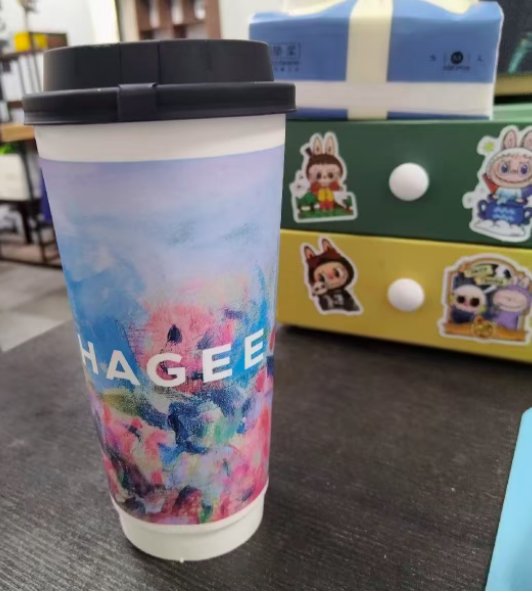
Some consumers further pointed out that upon tasting, the base flavor of oolong tea was more pronounced, while the rose fragrance was not only faint but almost imperceptible. Some netizens shared their experiences, saying, “I thought there would be a romantic rose atmosphere, but it was barely different from regular oolong milk tea,” and “Most of my friends also said they didn’t detect any rose scent and thought it was just their taste buds acting up.” Compared to another rose-flavored product from the brand, “Go to Yunnan,” many customers felt the latter had a more noticeable and harmonious rose aroma.
Faced with consumer skepticism about whether roses were actually used, a store employee quickly responded by sharing behind-the-scenes photos showing a tea barrel filled with rose petals, emphasizing that rose petals were indeed used and steeped together with Narcissus oolong during preparation. According to the employee, “The rose aroma in the kitchen was so strong it almost gave you a headache,” speculating that factors such as brewing method or ratio might have led to the final product’s floral notes falling short of expectations.
However, some industry insiders analyzed that even if rose petals were used in the preparation process, improper adjustment of steeping time, water temperature, or ratios might prevent the floral aroma from fully infusing into the tea. Consumers who are more sensitive to scents might barely catch a faint whiff, but overall, the result still falls short of the “rich and sweet” description provided by the brand.
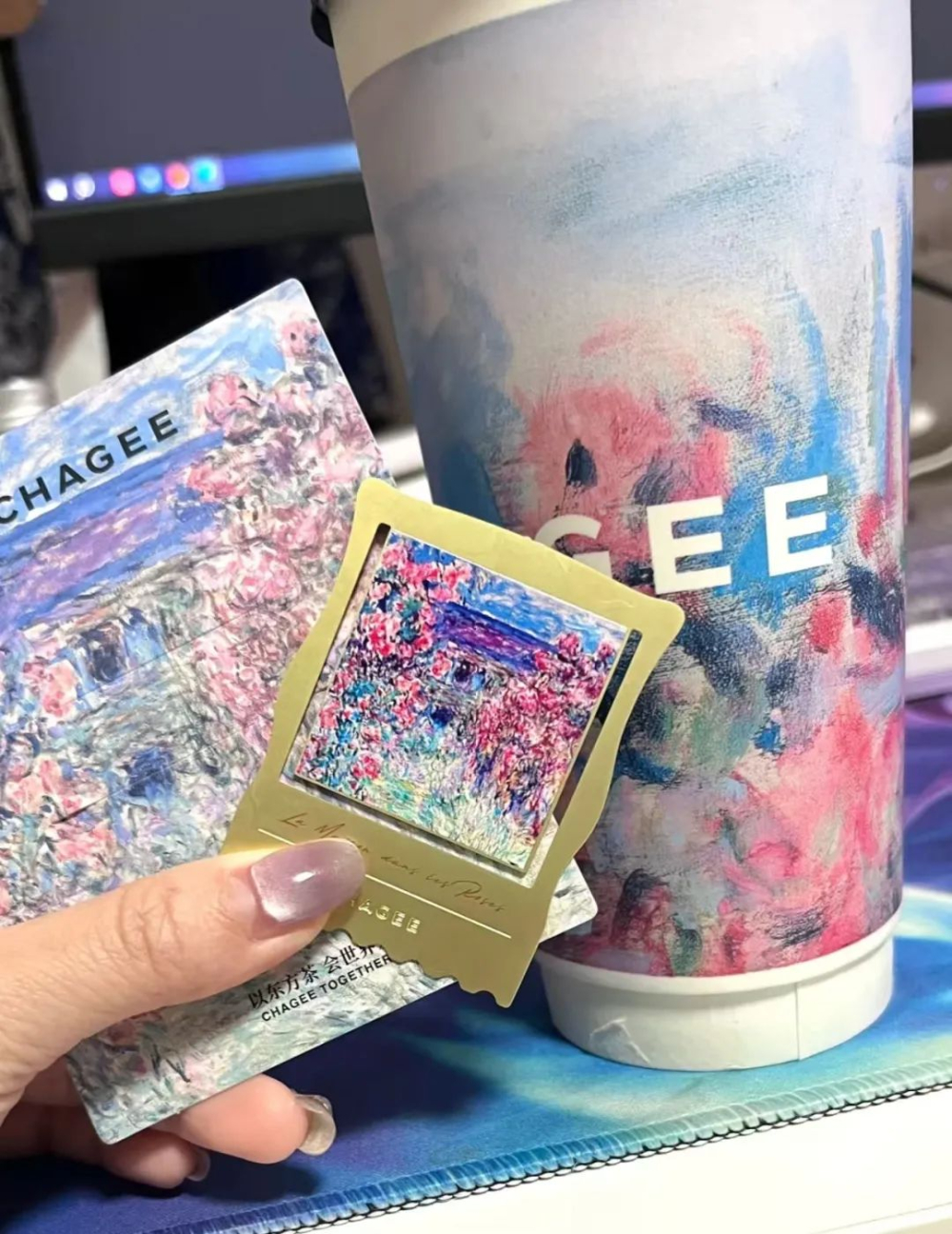
For customers eager to enjoy a tea drink with a pronounced rose flavor, some staff suggested opting for “Go to Yunnan” instead. This product also incorporates Yunnan double-petal roses, but its overall aromatic performance is more prominent and aligns better with the general public’s expectations for a “rose-themed drink” compared to “Among the Rose Bushes.” Additionally, some consumers reminded that if rose flavor is a priority, it’s advisable to choose products whose descriptions clearly indicate the proportion of roses or their treatment methods, avoiding misplaced expectations due to misleading names or packaging.
In summary, although “Among the Rose Bushes” has received certain praise for its visual design and concept, its actual flavor profile did not meet the expectations of some consumers. This incident also serves as a reminder for shoppers to look beyond packaging and naming when selecting rose-themed tea drinks, and instead, familiarize themselves with the ingredients and real user feedback to find the option that best suits their taste.
The above content is compiled by CoffeeHunters, a coffee news website.


