








Introduction:The global beverage market is booming, but counterfeit branding is a common occurrence. From store décor to brand naming, some businesses go to great lengths to replicate the look and style of well-known brands, making it difficult for consumers to distinguish between genuine and fake. This article takes an in-depth look at counterfeit versions of famous brands such as Starbucks, Luckin, and Heytea, analyzing their imitation tactics through specific cases and offering practical identification tips to help readers avoid pitfalls in daily consumption while learning about the amusing stories behind these imitation phenomena.
In today’s rapidly evolving beverage industry, brand imitation has become a common phenomenon. Whether it’s bubble tea or coffee, from the overall store décor to brand name choices, some businesses create highly similar visual designs to deliberately give the impression of well-known brands, making it hard for consumers to tell them apart at a glance. This article will detail ten highly imitated beverage store cases that have sparked online discussion, covering imitation versions of popular brands such as Heytea, Nayuki’s Tea, Yihetang, Starbucks, and Luckin. These cases not only showcase the creativity and "out-of-the-box" thinking of counterfeit businesses but also remind consumers to stay vigilant when making everyday purchases.
The coexistence of counterfeits and genuine products in the current beverage market is nothing new. Some businesses go to great lengths to mimic the brand names and visual packaging of widely recognized classic brands, often giving off a strong sense of familiarity at first glance. However, upon closer inspection, one can notice subtle differences—until it suddenly dawns on you that a well-known brand has been cleverly "repackaged." This phenomenon not only tests consumers’ observational skills but also leaves people amazed by the imitation abilities of these businesses.
The more popular a brand is, the more likely it is to become a target for imitation. These counterfeit stores are like real-life "spot the difference" games, often causing amusement and sometimes even making people momentarily forget what the original brand looked like. When faced with these knockoff stores, consumers should not only appreciate the businesses’ wild creativity but also stay rational and carefully discern the authenticity of the brand.
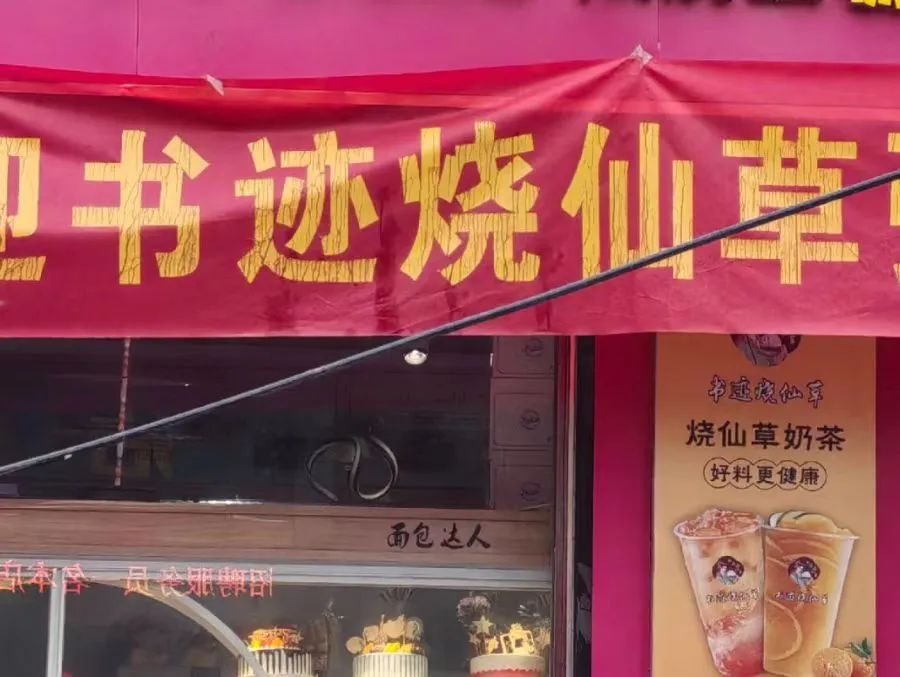
During this year’s Spring Festival, many returning travelers looking for food around the country unexpectedly stumbled upon a batch of "new brands" that successfully caught attention through high levels of imitation. While the product styles of these businesses may differ greatly from the originals and their quality may not compare to the genuine articles, their creative imitation left a deep impression on netizens. Below, we’ll use a series of real-life examples to challenge readers’ powers of observation—see if you can spot these counterfeit stores at a glance.
Some counterfeit stores even combine elements from multiple well-known brands, such as blending features of "Heytea" and "Nayuki’s Tea" to create a new kind of "mixed style." This creativity, while surprising, also makes one wonder about the motives and quality assurance behind it.
Another common imitation tactic is mimicking the names of well-known brands, such as "Yihetang" or "Yidian Dian," even leading to laughably fake "collaboration" versions that make it seem as though these brands are actually working together.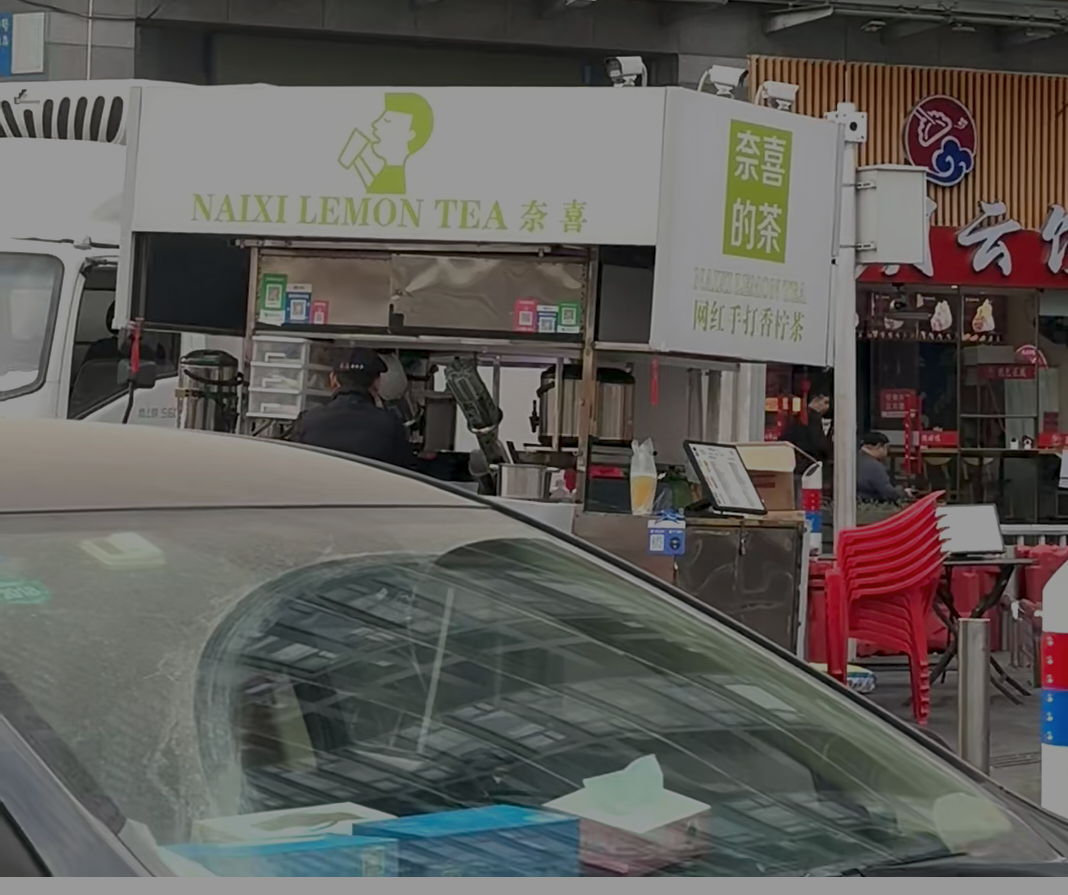
As a globally renowned coffee brand, Starbucks has naturally become a target for counterfeit businesses. Some even directly use names similar to "Xing Baba" in an attempt to profit from consumers’ familiarity.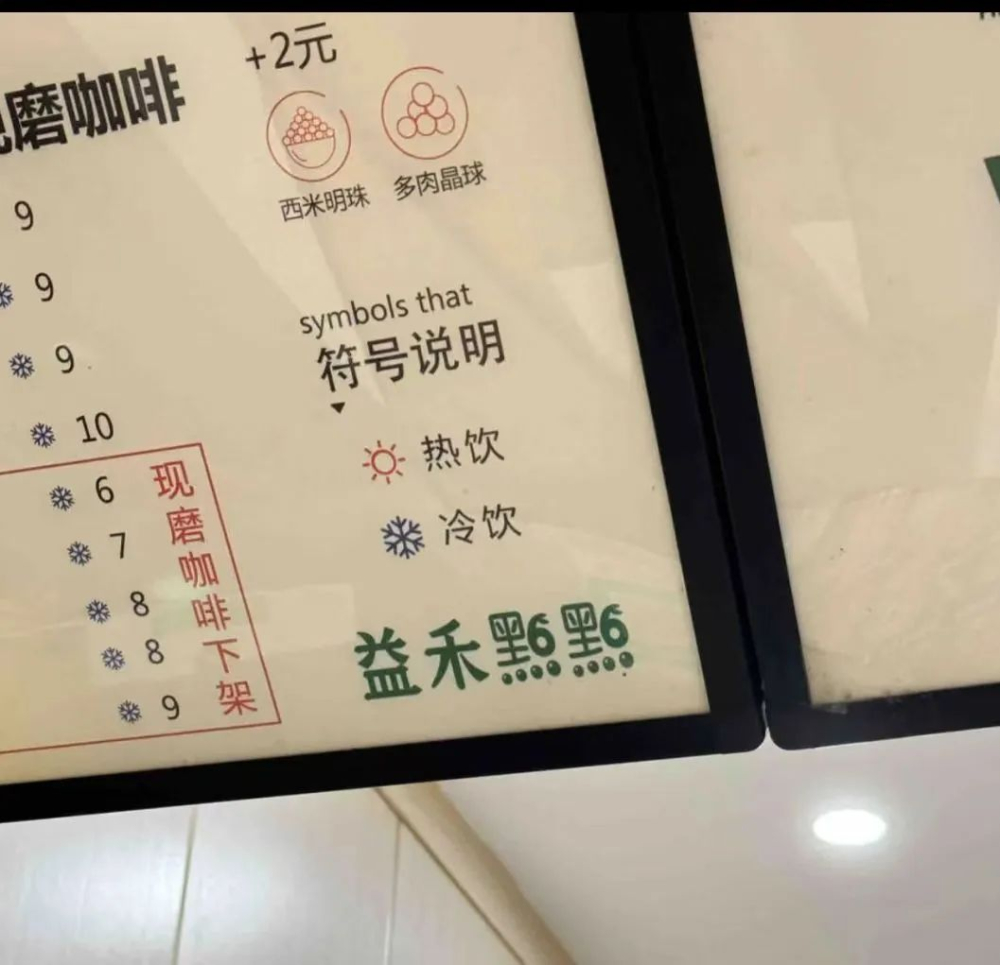 This imitation method, while simple, can still trap consumers in less urbanized areas.
Additionally, some counterfeit stores confuse brand names with other industries, making it unclear whether they’re a tea drink brand or a sports brand.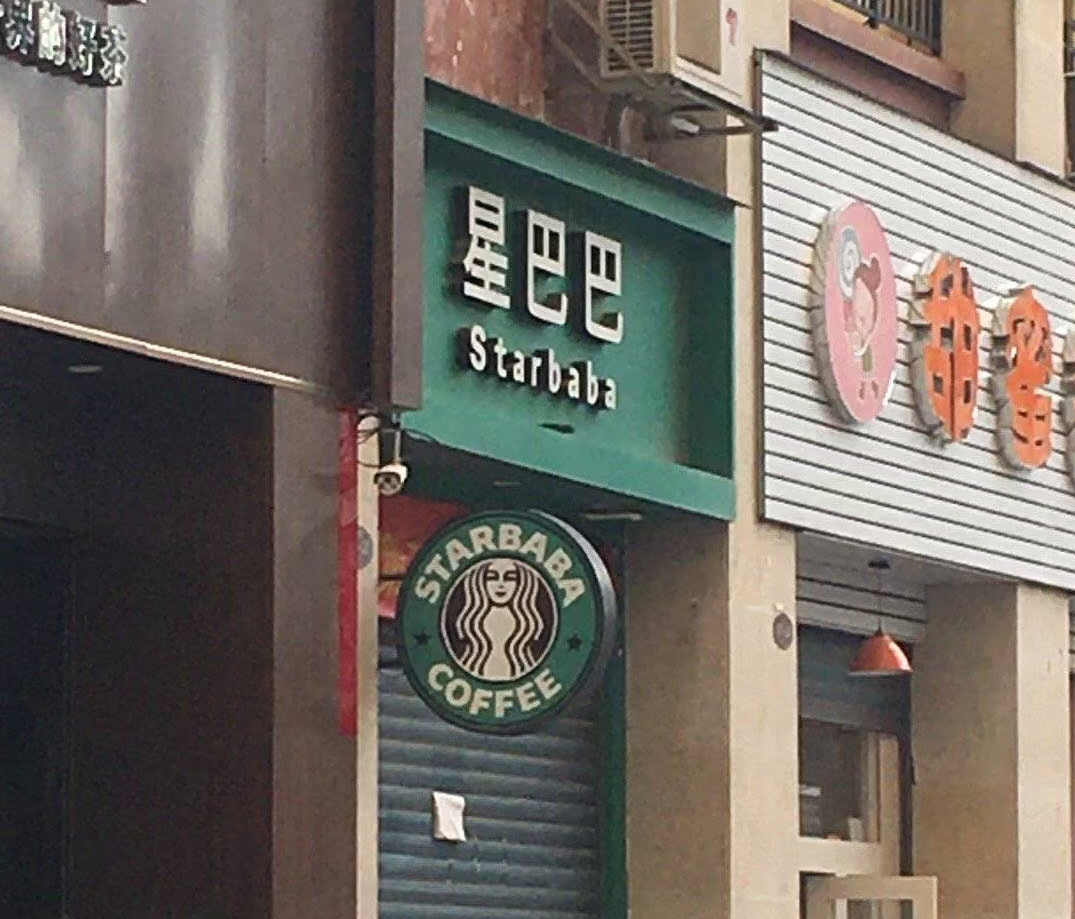
Some counterfeit brands even combine elements from multiple well-known names, such as "CHAGE"—a name that seems unique but actually hides imitation traces.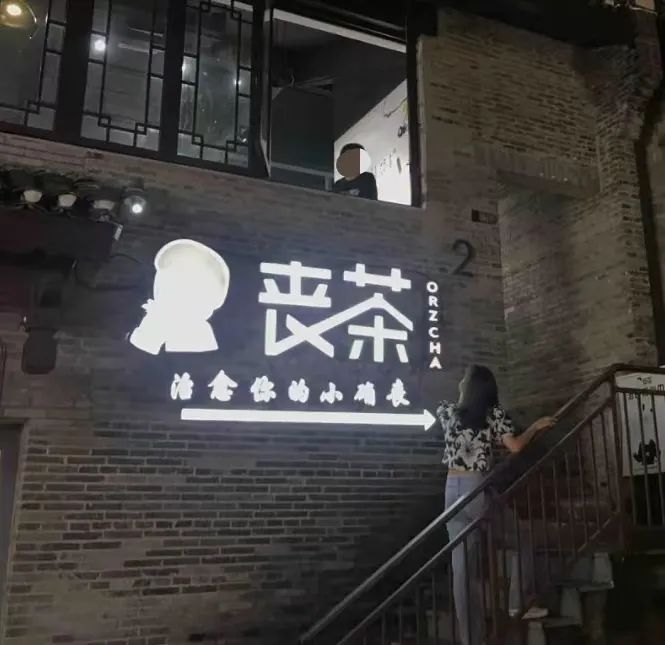 This approach, though more subtle, still can’t conceal its imitative nature.
Among the imitation cases, there are also brand names that bring to mind well-known individuals, such as beverage shops that make people wonder, "Has Jay Chou ever drunk here?"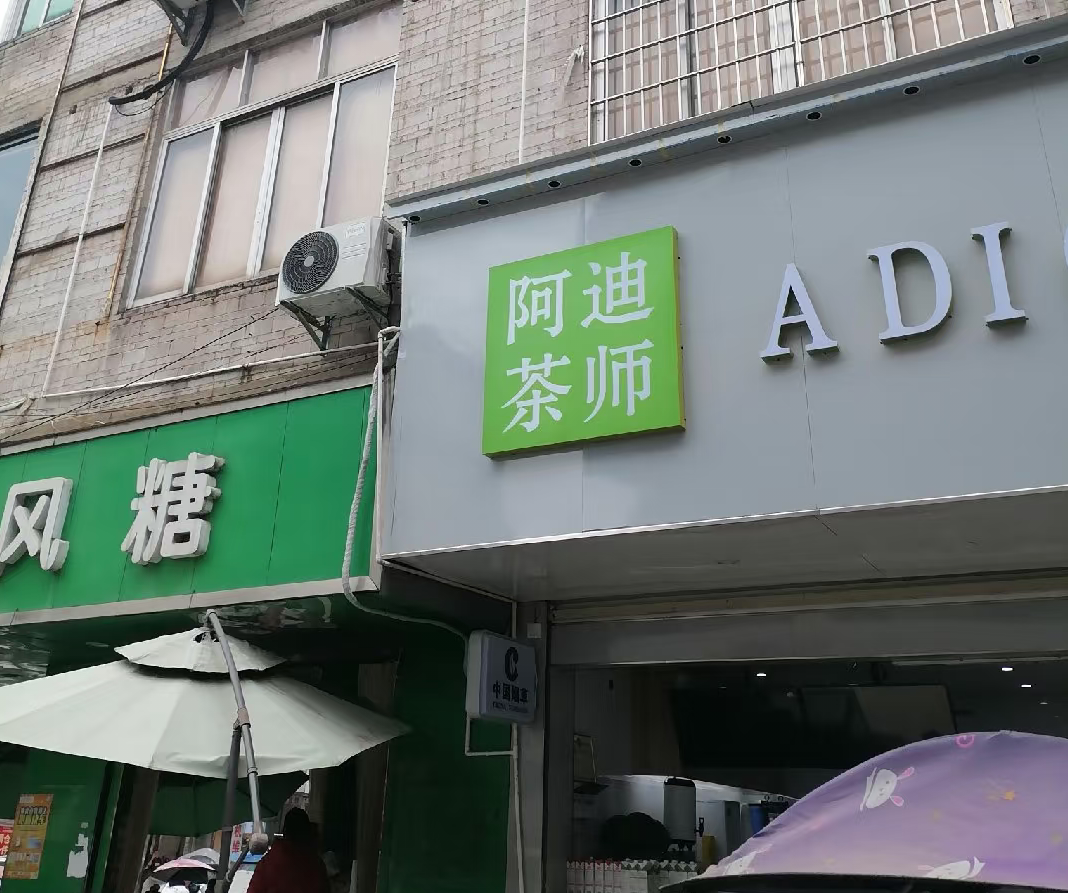
Luckin Coffee, as a brand that has risen rapidly in recent years, has also become a target for imitation by counterfeit businesses. Some imitations are so close that one might even consider reporting them to the police.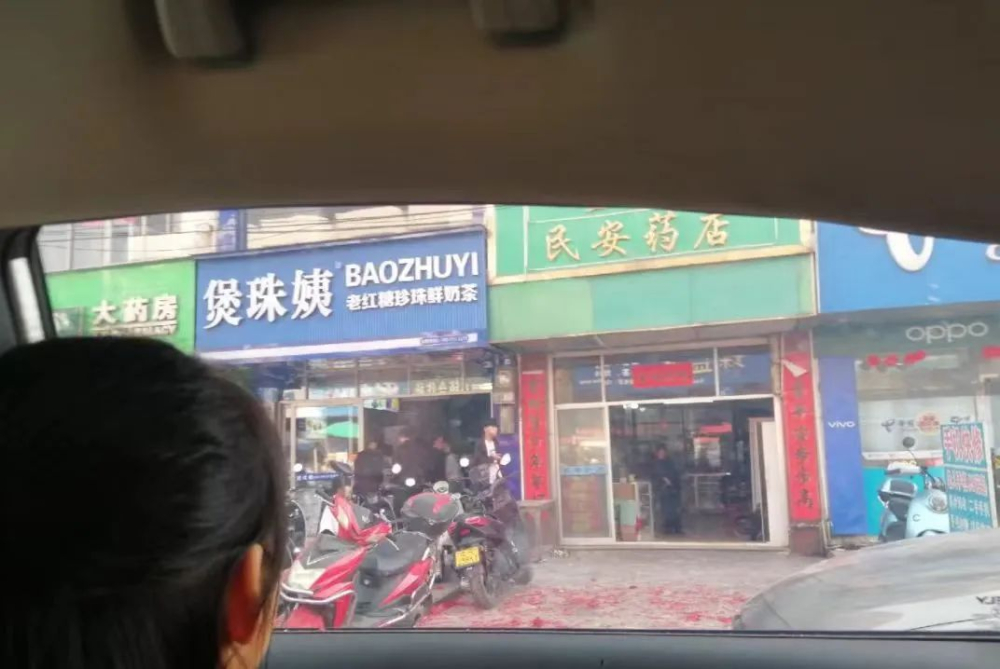 This high degree of imitation not only infringes on brand rights but may also affect consumer trust.
Finally, there are also counterfeit brand names that seem harmless, such as imitations of "Xiao Guming" or "Cha Yan Yue Se," but their imitation intentions should not be underestimated.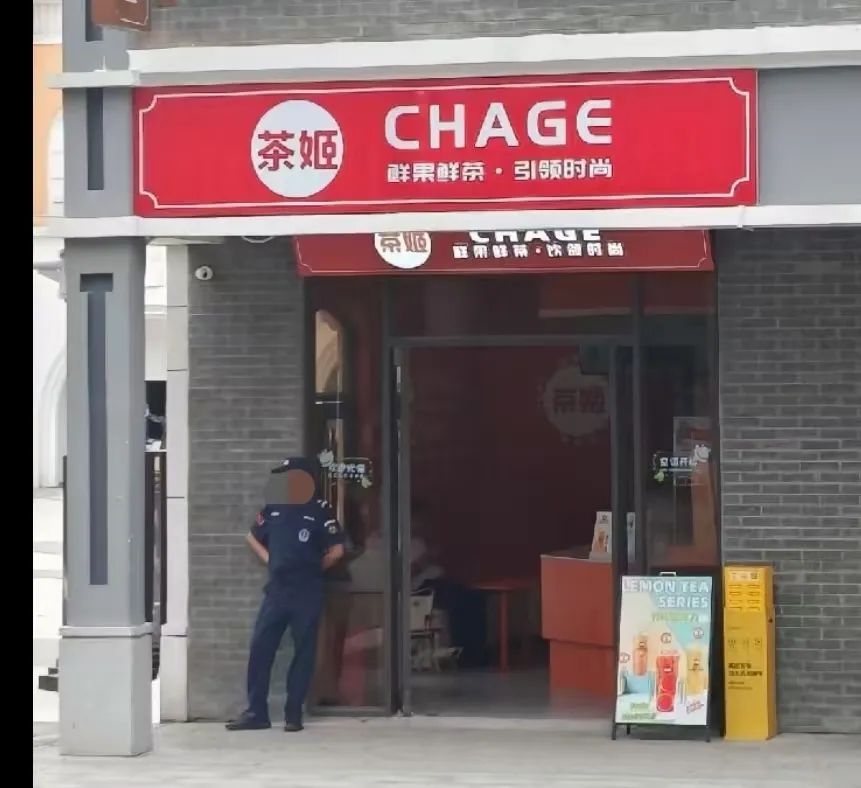 These cases remind consumers to carefully observe brand logos and names when purchasing beverages to avoid accidentally entering counterfeit stores.
Through these cases, we not only get a sense of the creativity and "outside-the-box" thinking of these businesses but also learn how to identify brand authenticity in our daily consumption. While counterfeit behavior may be laughable, consumers should remain vigilant, support original brands, and protect their own rights.
The above content is compiled by CoffeeHunters, a coffee news website.


