







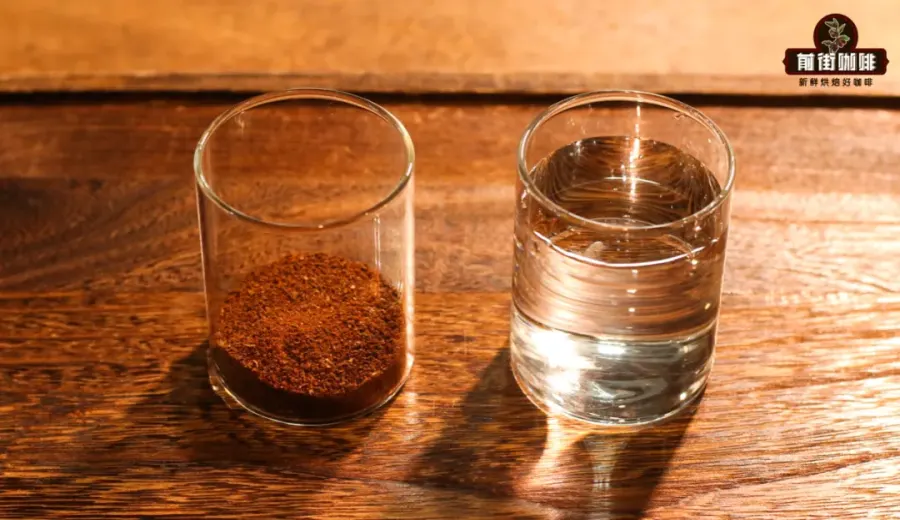
Introduction:The coffee-to-water ratio in pour over brewing directly affects the strength and flavor profile of the coffee, yet many coffee enthusiasts remain unsure how much water to use with 15 grams of coffee grounds. This article explores the concentration differences among three coffee-to-water ratios—1:10, 1:15, and 1:20—through practical brewing experiments, guiding you to scientifically adjust your brewing parameters and achieve coffee with your desired strength and taste.
In the world of manual coffee brewing, the coffee-to-water ratio is one of the key factors influencing the final flavor of the coffee. Many beginners often ask: if using 15 grams of coffee grounds, how much water should be poured in to get it just right? The core of this question lies in the setting of the “coffee-to-water ratio,” which directly determines the strength and flavor layering of the cup of coffee in your hand.
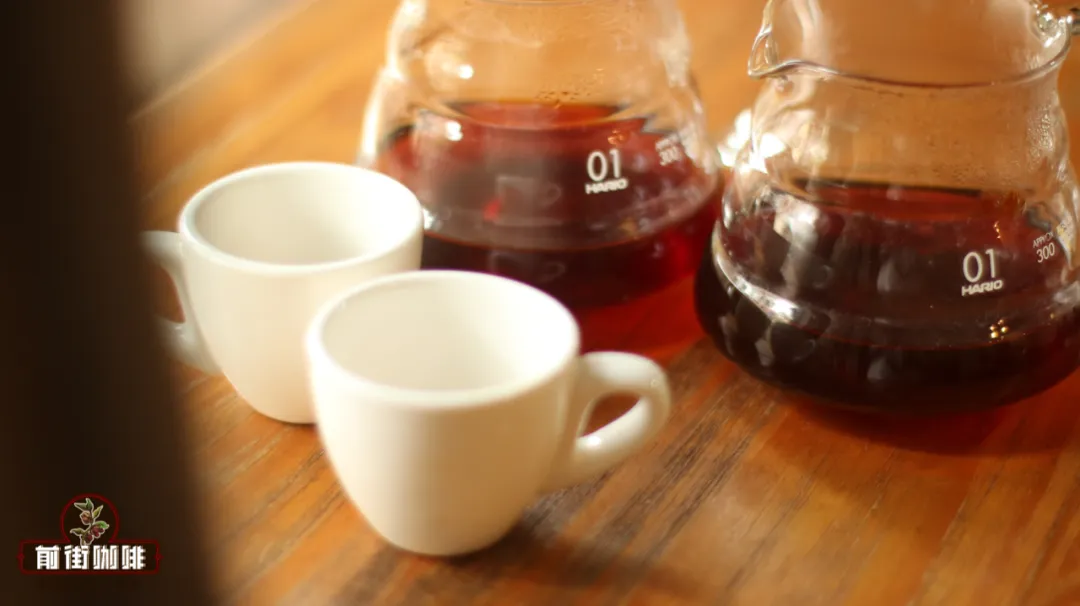
To more intuitively understand how the coffee-to-water ratio impacts coffee strength, we conducted a comparative experiment. While keeping other brewing variables constant—including brew time, water temperature, and grind size—we brewed coffee using three different coffee-to-water ratios: 1:10, 1:15, and 1:20. The experimental results showed that the coffee strengths for these three ratios were1.93%,1.35%, and1.04%, respectively. The data clearly indicates that as the amount of water increases, the coffee strength shows a significant downward trend.
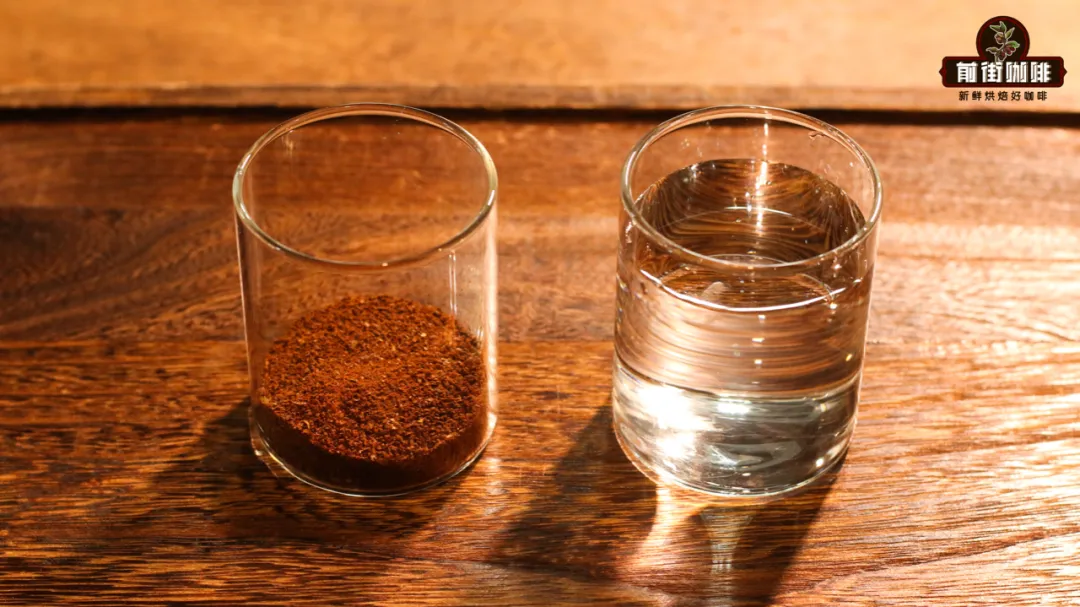
So, how exactly does the coffee-to-water ratio affect coffee performance? Simply put, the coffee-to-water ratio refers to the ratio of the weight of coffee grounds to the volume of water used. When this ratio is smaller, it means the same amount of coffee grounds is being extracted with less water, resulting in a higher-concentration brew with richer flavors. Conversely, a larger ratio means each unit of coffee grounds is in contact with more water, leading to lower concentration and a lighter-tasting cup.
To make this change clearer, let’s revisit the experiment. Under the condition that brewing time, technique, and water temperature remained entirely consistent, we only altered the coffee-to-water ratio, brewing with 1:10, 1:15, and 1:20 respectively, and used a professional refractometer to measure the actual strength of each brew. The experimental results clearly show: at a 1:10 ratio, the coffee strength reached1.93%, considered a relatively high concentration with intense and distinct flavors; the 1:15 ratio kept the strength at1.35%, an interval many coffee lovers find well-balanced; while the 1:20 brew further reduced the strength to1.04%, resulting in a lighter taste but also a reduction in flavor intensity.

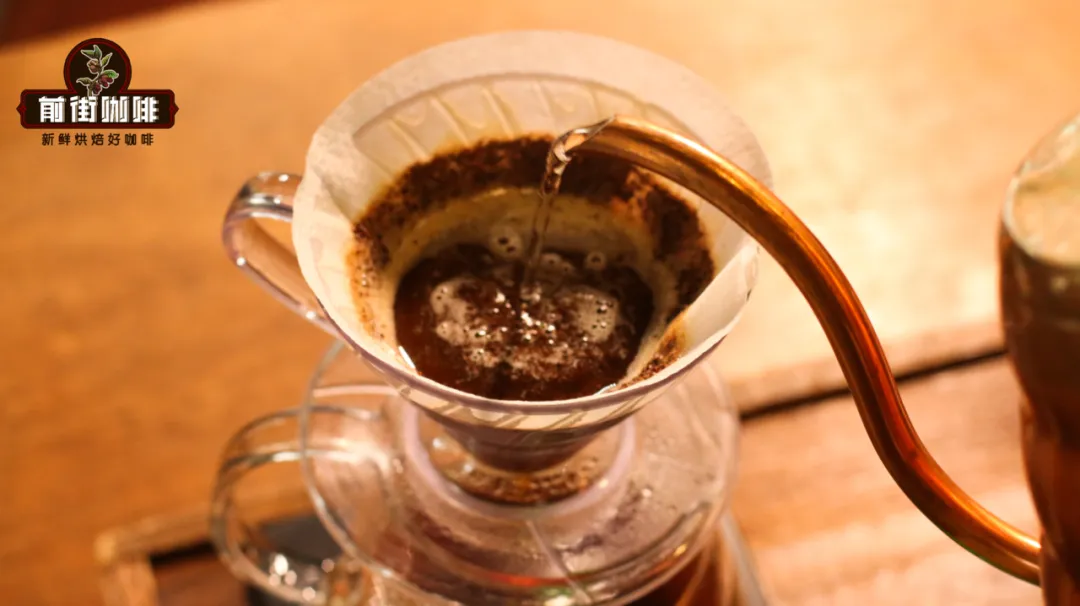
From these data points, we can draw an important conclusion: when brewing coffee, the amount of water used is inversely proportional to the final coffee strength. In other words, if you want a stronger, fuller-flavored coffee, you can reduce the amount of water per gram of coffee grounds—for example, choosing a 1:13 or even 1:10 ratio. On the other hand, if you prefer a lighter, smoother coffee, you might opt for higher ratios such as 1:16 or 1:20.
Of course, the coffee-to-water ratio is just one of the many variables that influence coffee flavor. In actual brewing, factors such as grind size, water temperature, brewing technique, and time also need to be considered comprehensively. But for beginners, mastering the coffee-to-water ratio is undoubtedly the first step toward crafting high-quality pour over coffee.
In summary, if you’re using 15 grams of coffee grounds, here are some recommendations based on different strength preferences: for a richer taste, go for a 1:10 to 1:13 ratio, using about 150–195 ml of water; for balanced flavors, 1:15 is a solid benchmark, using around 225 ml of water; if you prefer a lighter taste, 1:18 to 1:20 are reasonable choices, with water amounts between 270–300 ml. Through this experiment and the data presented, we hope you now have a clearer understanding of how to set your coffee-to-water ratio. Next time you brew, why not try it yourself and find the perfect ratio for your personal taste preferences?
The above content is compiled by CoffeeHunters, a coffee news website.


