







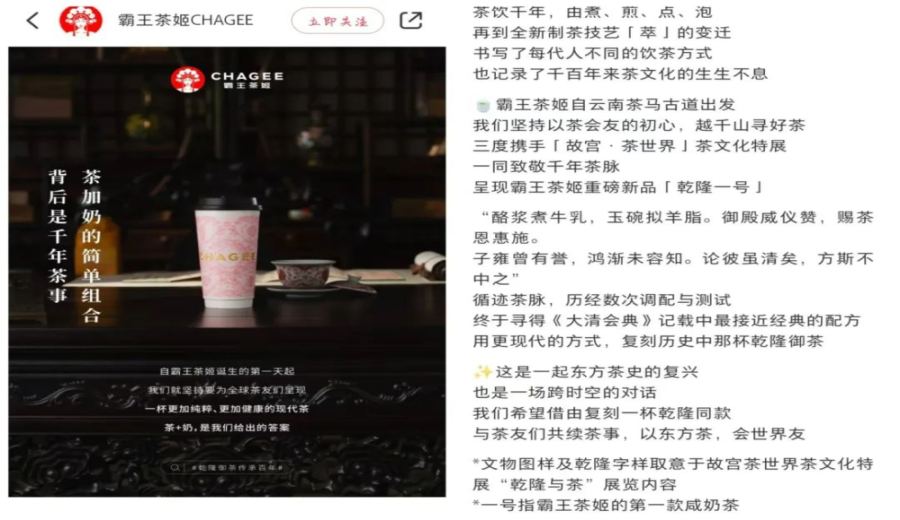
Introduction:Recently, ChaBaQi (CHAGEE) launched its first savory milk tea, "Qianlong No. 1," claiming to recreate an authentic Qing Dynasty imperial tea recipe. This innovative product, blending the flavors of Inner Mongolian savory milk tea, has sparked polarized reactions upon release: some consumers praise its rich, salty aroma, while others criticize its taste as being like "crusty rice water." This article provides an in-depth analysis of the product’s features, market feedback, and historical background, along with expert flavor evaluations and drinking suggestions to help you decide whether it’s worth trying.
ChaBaQi’s newly released savory milk tea, "Qianlong No. 1," draws inspiration from Qing Dynasty imperial tea beverages and is said to be developed based on recipes recorded in the "Da Qing Hui Dian" (Collected Statutes of the Qing Dynasty). Marketed as the "Qianlong Emperor’s own choice," this innovative offering not only marks the brand’s first foray into the savory milk tea category but also attracts attention with its imperial-themed packaging. Consumers can order it as a single item or opt for bundled sets that include limited-edition imperial-themed merchandise.
The product name generated significant online buzz as soon as it was announced, with netizens creatively crafting humorous promotional slogans such as “Taste the emperor’s flavor, be an urban wage slave.” Fans even suggested extending the series with offerings like "Empress Dowager Cixi No. 2," and humorously proposed that servers announce, “Your majesty, your milk tea is ready,” to enhance interactivity. These fan-created derivatives reflect the successful viral impact of the product’s name.
Actual drinking experiences show clear divergence:Supporters particularly praise its rich, savory characteristics, describing it as reminiscent of the robust flavors of traditional Inner Mongolian savory milk tea. The balance between milk and tea is notably highlighted, making it suitable for consumers who prefer non-sweet tea beverages. Some users reported buying multiple cups in a row and recommending it to friends seeking novel flavors.
In contrast,criticisms focus on the issue of one-dimensional flavor layers. Many consumers pointed out drawbacks such as “excessively thick texture” and “an off-flavor in the aftertaste,” with some even making sharp remarks like “like Qianlong’s bathwater.” Professional tea beverage experts noted that the success of savory milk tea hinges on the quality of fresh milk and the control of salt-to-tea ratios—subtle differences in these details can significantly affect the final flavor profile.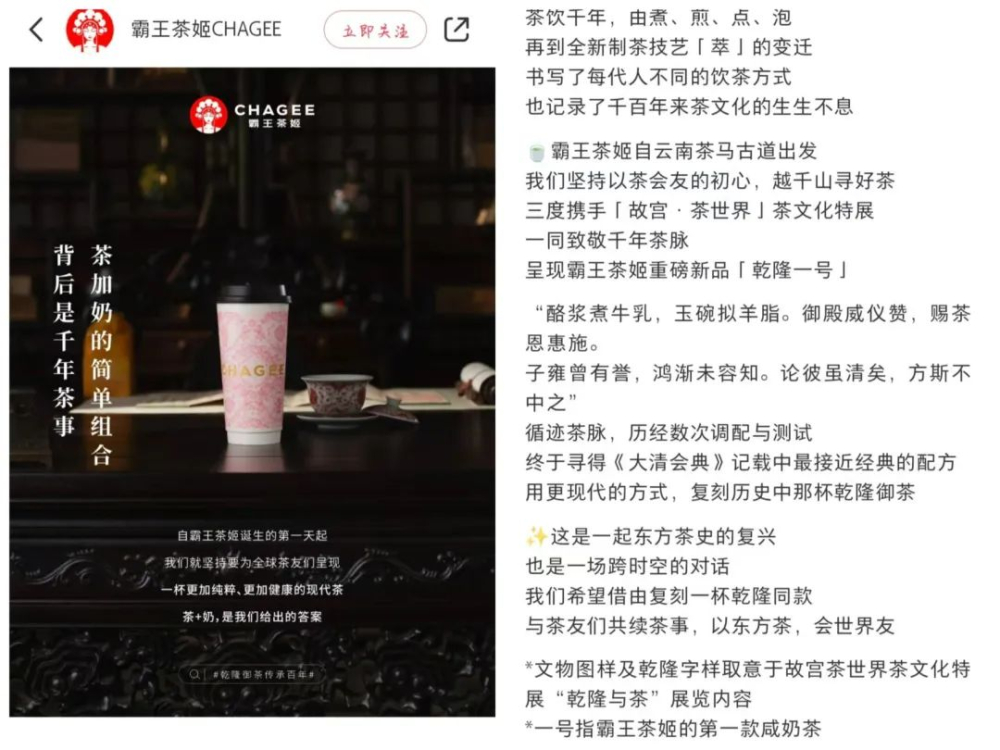
Market observers have noted that "Qianlong No. 1" may be related to a previously tested product in Sichuan called "Qing Shan Xian Shuang" (Clear Mountain Salty Frost). Some long-time customers feel that while the new name is attention-grabbing, it lacks a strong connection to the actual flavor of the product, suggesting that a more descriptive original name might have been better retained. Historians also caution that although Qianlong was indeed a well-known tea-loving emperor, there is no direct historical documentation of him drinking savory milk tea.
Professional tea beverage reviewers suggest that first-time tasters of savory milk tea pay attention to the following points:The optimal drinking temperature is 45–50 degrees Celsius; higher temperatures can accentuate the stimulating saltiness, while lower temperatures may hinder the release of milk aroma. It is recommended to pair the drink with crispy tea snacks to balance the flavor and avoid drinking on an empty stomach to reduce the risk of stomach discomfort. For those new to savory teas, starting with a smaller serving size is advisable.
The market reaction to this product highlights the challenges of tea beverage innovation: how to balance flavor accessibility and cultural relevance when modernizing historical elements. Observations indicate that consumers in regions with a traditional diet foundation—such as Mongolia and Tibet—generally show higher acceptance of savory milk tea compared to other market segments.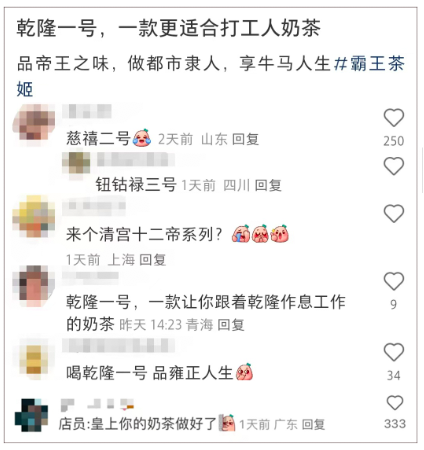
Based on comprehensive market data, the sales performance of "Qianlong No. 1" shows urban disparities: consumers in first-tier cities are more focused on packaging design and social media appeal, whereas those in second- and third-tier cities evaluate the product more pragmatically in terms of cost-performance value. These behavioral differences provide important strategic insights for the brand’s future product development.
The above content is compiled by CoffeeHunters, a coffee news website.


