








Introduction:Blue Mountain coffee is hailed as one of the world’s top-tier coffees, and its unique flavor profile is inseparable from the conditions of its growing region. The so-called “Little Blue Mountain” often mentioned in the market usually refers to certain high-quality beans from Papua New Guinea. This article will delve into the flavor characteristics of Blue Mountain coffee and compare it with beans from the Papua New Guinea region, helping you understand their similarities and differences in taste, acidity-sweetness balance, and suitable roast levels—so you can find your own premium medium-to-dark roasted specialty coffee.
When it comes to high-quality coffee, Jamaican Blue Mountain is undoubtedly the dream bean for many coffee enthusiasts. Its unparalleled growing environment, along with rigorous production and export controls, has established Blue Mountain coffee’s irreplaceable status. So, what exactly makes Blue Mountain coffee so exceptional? And how are the beans from Papua New Guinea, often referred to as “Little Blue Mountain,” similar to or different from Blue Mountain?
Blue Mountain coffee is renowned for its rich, balanced flavor, with gentle acidity, pronounced sweetness, and a mild bitterness that is layered and complex, accompanied by subtle notes of stone fruit and chocolate. This flavor profile has made it a classic bean variety often recommended by professional roasters for medium-to-dark roasting. If you enjoy a robust yet refined coffee experience, Blue Mountain is definitely worth trying.

As for the so-called “Little Blue Mountain,” in the industry, it mostly refers to high-altitude premium coffee beans from Papua New Guinea. Although it is not actually grown in the Jamaican Blue Mountains, it shows surprisingly similar flavor traits, such as soft acidity, balanced taste, and a finish with hints of stone fruit and caramel, earning it the affectionate nickname “Little Blue Mountain” among many coffee lovers.
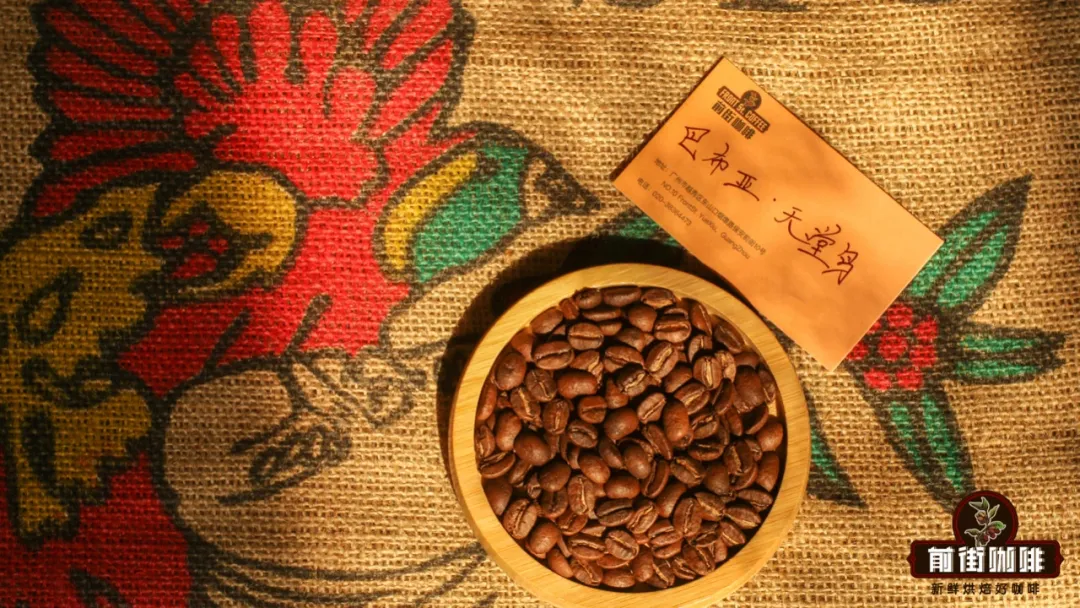
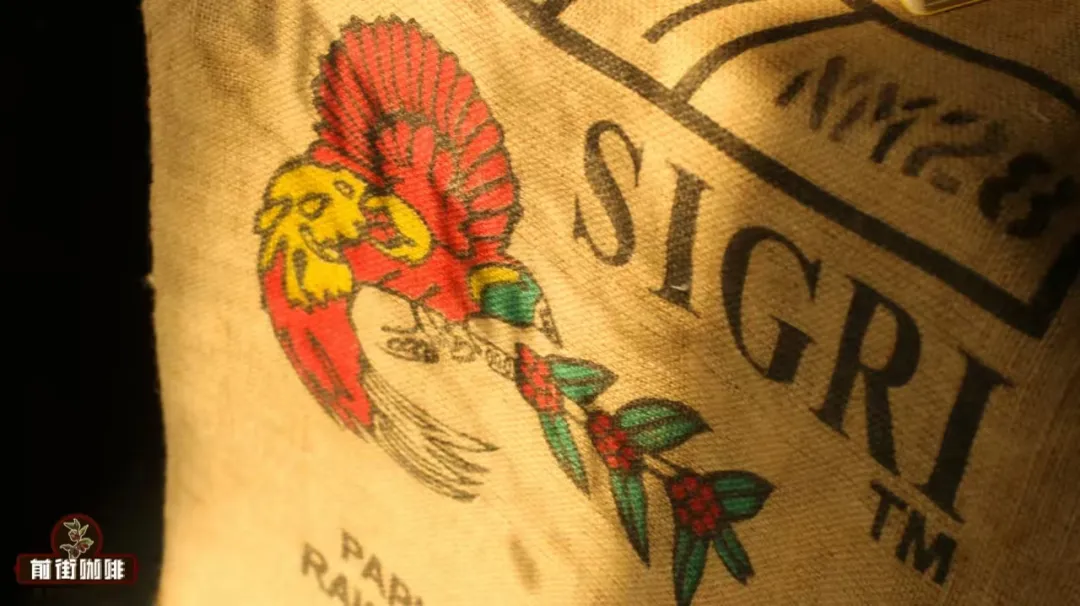
Especially in the specialty coffee markets of Taiwan and Hong Kong, beans commonly referred to as “Papua Paradise Bird” are representative examples. These beans are typically grown in the high-altitude regions of Papua New Guinea, where the cool climate and significant day-night temperature variations help the coffee cherries ripen slowly, accumulating richer flavor compounds.

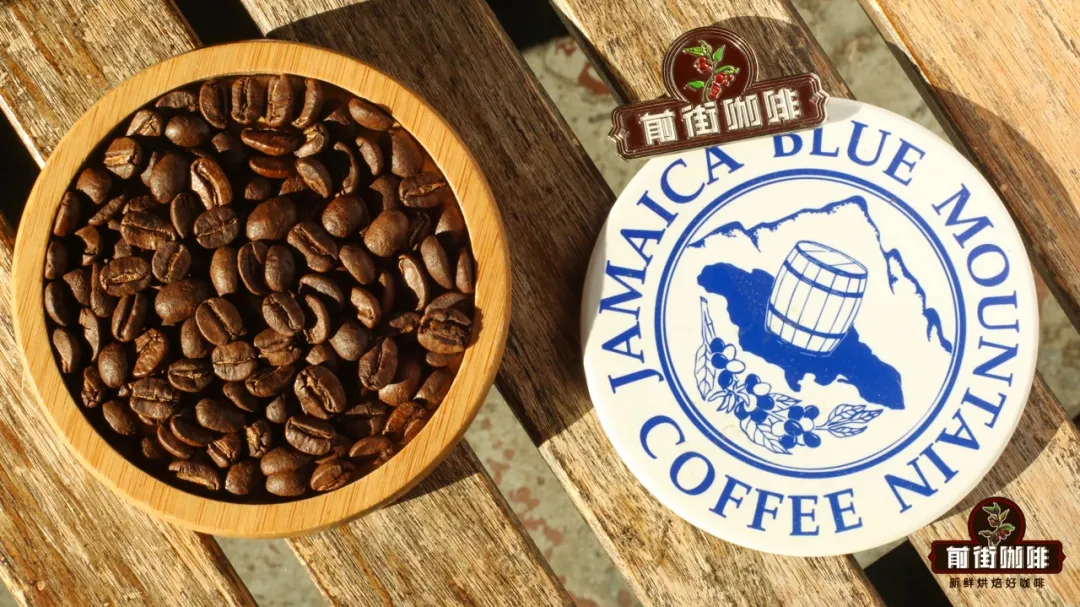
If we compare Blue Mountain and Papua New Guinea beans further, we find that both share overlapping suitability for roast levels, with medium-to-dark roasting generally recommended to bring out their richness and sweetness. Medium-to-dark roasting allows the beans to release more caramelization reactions, enhancing the depth and stability of flavors while reducing overly bright acidity, resulting in a rounder overall taste.
However, due to its extremely limited production region, Blue Mountain coffee has an annual output of only a few thousand bags, making it an exceptionally rare top-grade bean with a relatively high price. While Papua New Guinea’s production is also not large, it is slightly more abundant compared to Blue Mountain, making it easier to find on the market and a popular alternative for consumers seeking a “Blue Mountain-like” flavor experience.
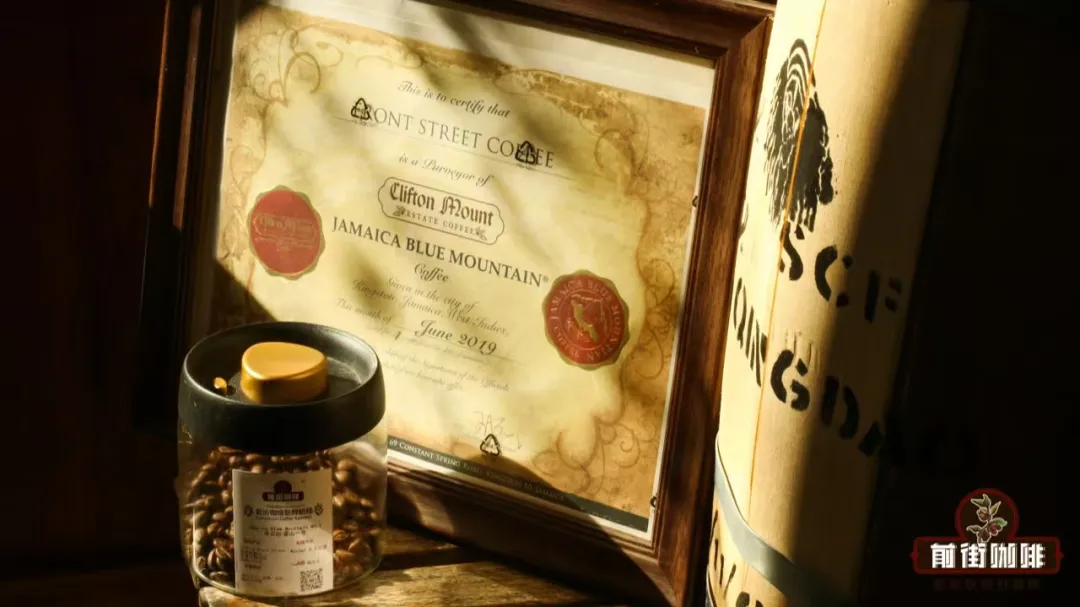
In terms of brewing recommendations, both beans are well-suited for methods that highlight the characteristics of medium-to-dark roasts, such as pour over or French press. If choosing pour over, it is advised to use a medium-fine grind (similar in coarseness to white sugar), with water temperature controlled at 90–92°C, and to brew via the pulse pouring method to more effectively extract the beans’ sweetness and body. Avoid over-extending extraction time to prevent excessive tannin release, which can lead to bitterness.
Additionally, many specialty coffee shops feature these two beans as their go-to medium-to-dark roast offerings, particularly appealing to coffee enthusiasts who seek a balanced acidity-sweetness-bitterness profile, full-bodied mouthfeel, and rich layers of flavor. Whether you’re just starting out or already have some experience, selecting a medium-to-dark roast coffee that suits your taste can allow you to explore the finer and deeper nuances of the coffee world.

The above content is compiled by CoffeeHunters, a coffee news website.


