







Introduction:A controversy erupted when a branch of Mixue in Malaysia used trash bags featuring inappropriate graphics, sparking public debate. Although the brand clarified that the bags were solely for waste disposal, it promptly initiated a halal cleansing process and reviewed its procurement procedures. This article delves into the incident, explains the cultural sensitivities behind the "halal trash bag" dispute, and offers practical insights for brand crisis management, helping readers understand the challenges faced by international chains in diverse markets.
Mixue’s expansion in Malaysia recently hit a small snag. One of its outlets came under fire after using trash bags printed with controversial graphics, raising local consumers’ concerns about halal standards. Despite the brand’s explanation that these bags were only used for waste and never came into contact with any food, it took a series of corrective actions to reassure customers.
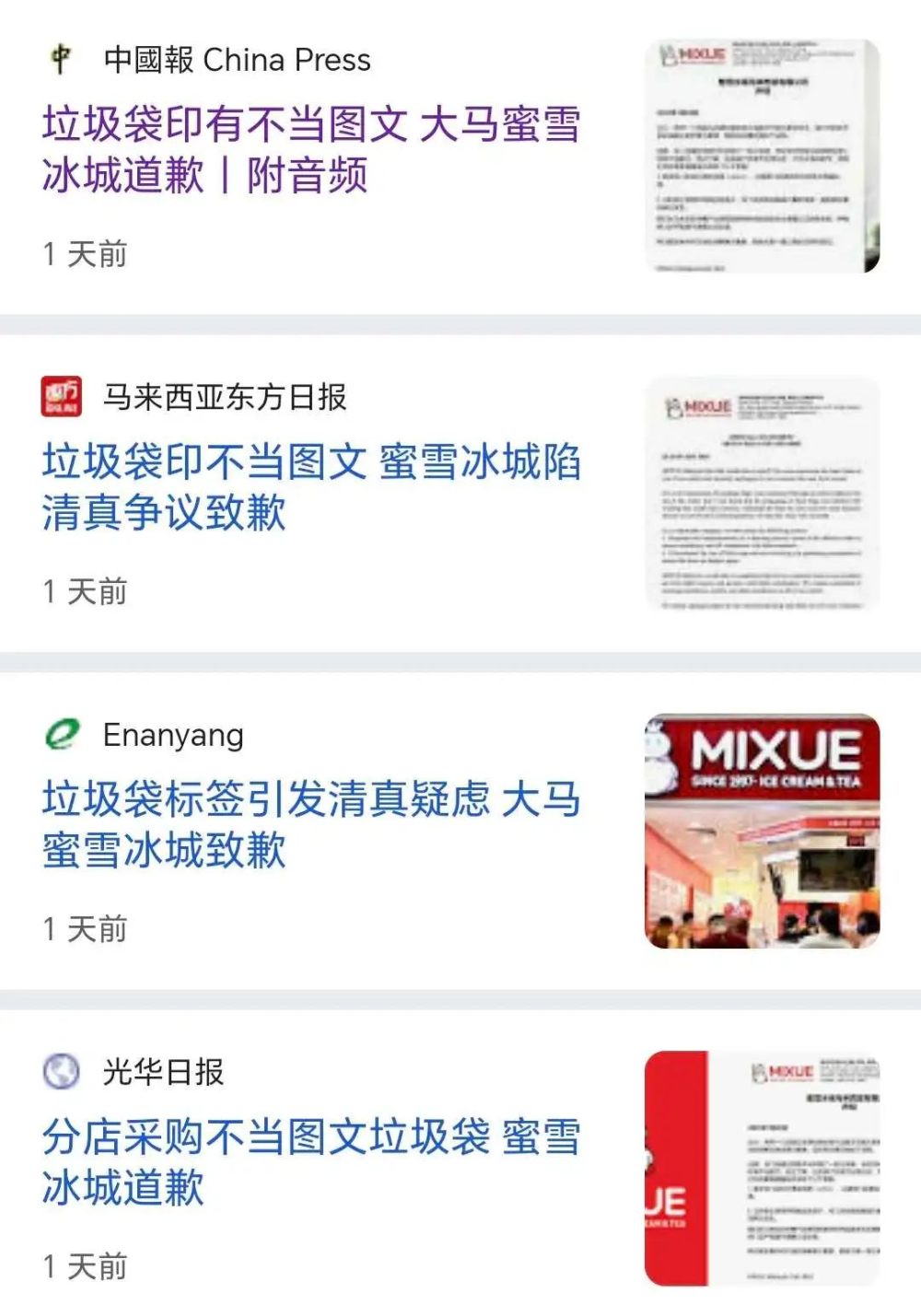
The issue began when the outlet purchased a batch of trash bags from an online platform and discovered upon delivery that the packaging featured graphics deemed inappropriate. These bags were subsequently spotted and shared by the public, quickly igniting discussions on social media.The brand swiftly issued a trilingual announcement on its official Facebook page, acknowledging the issue and offering an apology, while clarifying that the trash bags were not used in any food handling processes.
To address consumer concerns,Mixue instructed the involved outlet to perform the Islamic-compliant 'Sertu' cleansing procedure—a specific cleaning method recognized in the Muslim world that ensures surfaces potentially exposed to non-halal items meet religious cleanliness standards. The outlet also immediately ceased use and destroyed the batch of trash bags, pledging to review its entire procurement process.
In the announcement, the brand emphasized that all product ingredients it sells in Malaysia are sourced from suppliers with valid halal certifications, and that its outlets strictly adhere to local halal certification standards.This statement aimed to reassure local Muslim consumers, ensuring them that despite the trash bag incident, their core products remained compliant with Islamic dietary laws.
What made this incident unique was the widespread discussion around whether "trash bags need to meet halal standards." Many netizens on social platforms expressed confusion: "Do trash bags also need to be halal?" and "If the trash bags were only used for discarding waste, why did it cause such a stir?" These questions reflect the public’s curiosity and misunderstanding about the practical scope of Islamic halal standards.
In reality, although trash bags do not directly come into contact with food, in Islamic culture,any items that might indirectly touch the food handling environmentcan become a focal point of consumer concern. Especially in a majority-Muslim country like Malaysia, how businesses handle such details with sensitivity is crucial.
Notably, although several Malaysian media outlets reported the incident, neither the official reports nor the brand’s apology letter specified what exactly the controversial graphics on the trash bags were. Some netizens speculated that it might have been a labeling design issue that mistakenly suggested a connection to halal certification, but this remains unconfirmed.
From a brand crisis management perspective, Mixue’s response strategy is noteworthy. Faced with potential cultural misunderstandings, the brand chose to apologize quickly, proactively take cleansing measures, and commit to improving its processes—attitudes that helped maintain its reputation locally.This case illustrates the necessity for multinational chain enterprises to understand local religious and cultural sensitivities when operating in multicultural markets.
The above content is compiled by CoffeeHunters, a coffee news website.


