







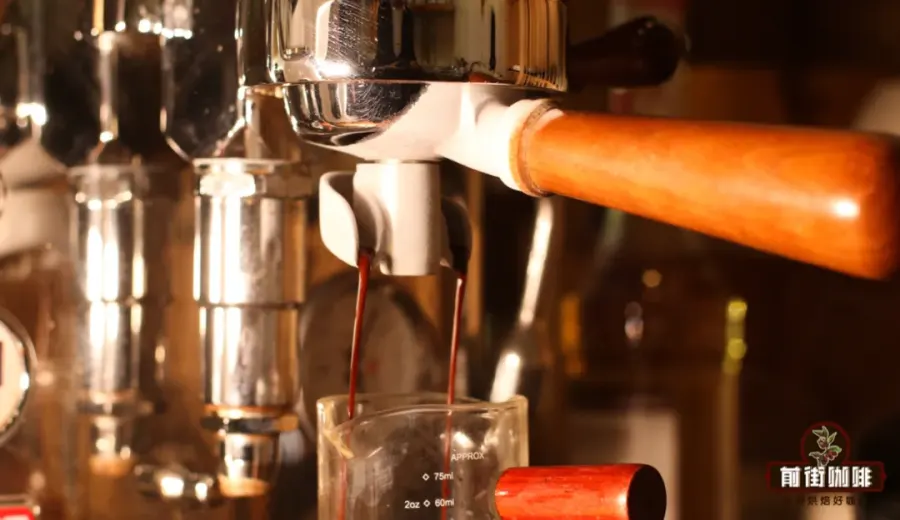
Introduction:During the espresso extraction process, the temperature of the portafilter is often overlooked, yet it can significantly impact the final flavor profile. At the 2016 World Barista Championship (WBC), Taiwanese competitor Wu Zelin won the championship by employing the technique of using a chilled portafilter, sparking widespread industry discussion on this variable. A coffee shop conducted comparative experiments using high-temperature, room-temperature, and frozen portafilters, revealing how temperature affects espresso extraction efficiency, taste, and aroma profile—helping you master this practical technique for elevating coffee quality.
On the stage of the 2016 World Barista Championship (WBC), Taiwanese competitor Wu Zelin secured the championship with an innovative technique—he used a pre-chilled portafilter for espresso extraction. This unconventional approach not only surprised the judges but also ignited extensive debate: could the temperature of the portafilter truly influence the performance of a shot of espresso?
Many coffee enthusiasts, including members of the coffee team themselves, were skeptical upon hearing the news. To verify this phenomenon, we conducted a series of rigorous comparative experiments, using portafilters at high-temperature, room-temperature, and frozen states, all under identical extraction parameters—20 grams of coffee grounds, a 32-second extraction time, and a target yield of 40 milliliters—to produce espresso.
The experimental results were surprising: the espressos extracted from the three differently tempered portafilters exhibited significant differences in aroma, taste, and overall flavor structure. Among them,the espresso made with a chilled portafilter showed particularly notable differences compared to those made with high-temperature and room-temperature versions,not only offering a cleaner and more focused mouthfeel but also brighter and more layered acidity.
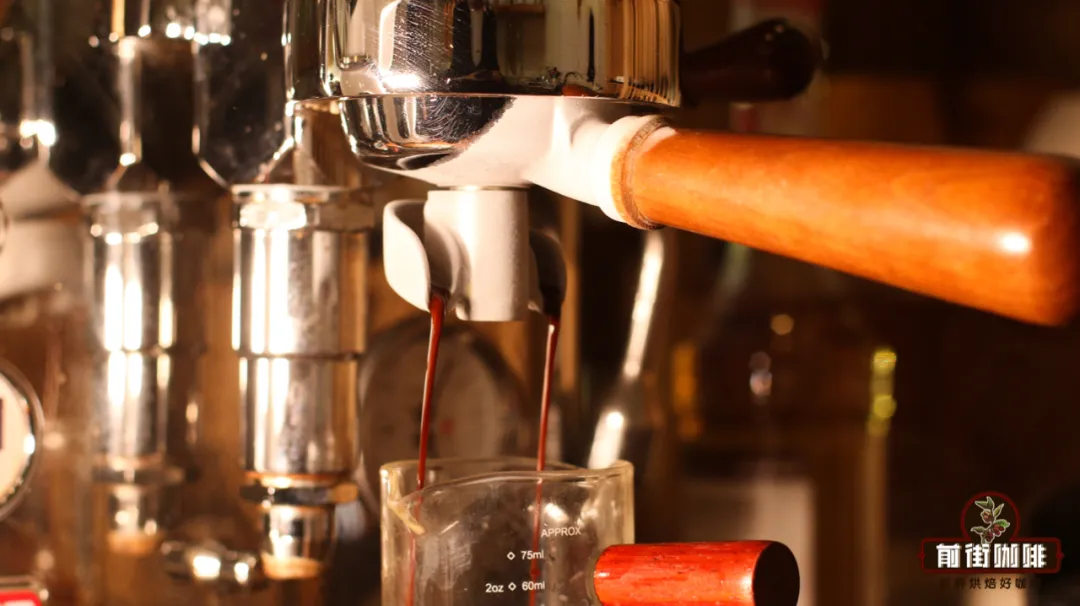
So why does portafilter temperature have such a pronounced effect on espresso extraction? This is actually closely related to heat conduction and the initial state of the coffee grounds. When the portafilter is at a high temperature, the moment the coffee grounds come into contact with the hot metal, the cell walls on the surface of the coffee layer are prone to premature thermal rupture, causing some heat-sensitive aromatic compounds to volatilize. It may also accelerate channeling effects in the early stages of extraction, leading to uneven overall extraction.
Conversely, if the portafilter is chilled or kept at a low temperature, the coffee grounds maintain a lower initial temperature before coming into contact with hot water. This helps delay the loss of heat-sensitive components and allows the hot water to penetrate the coffee layer at a more stable rate, thereby improving extraction uniformity and consistency. Under such conditions, the acidity, sweetness, and aromatic compounds in the coffee can be released more fully, while also suppressing the bitterness and off-flavors caused by over-extraction.

In the real-world tests conducted by a certain coffee shop,espresso extracted using a high-temperature portafilter typically exhibited intense, pronounced roasted notes, but was prone to an over-extracted dryness,especially in the aftertaste, where noticeable bitterness or astringency could emerge. Meanwhile, espresso made with a room-temperature portafilter showed relatively balanced characteristics, though its overall vibrancy and complexity were not as prominent as those of the chilled version.
As for the chilled portafilter, it delivered unexpectedly clarity and finesse.The resulting espresso often featured brighter acidity, more pronounced sweetness, and a tighter, more focused flavor profile,making it particularly well-suited for highlighting the unique flavor characteristics of light or medium-light roasted beans—such as citrus, berry, or floral notes.
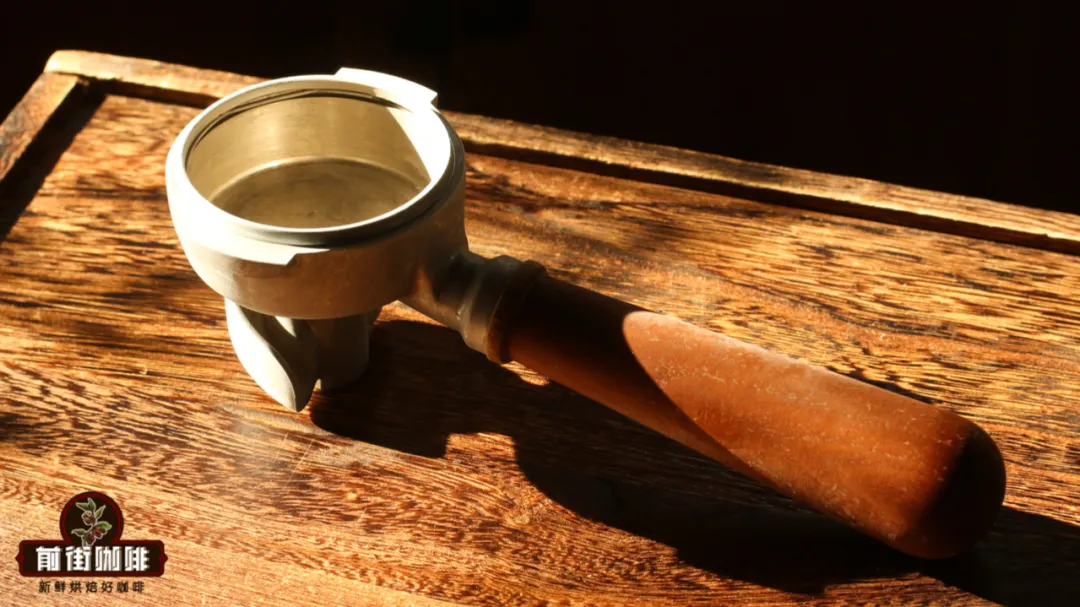
To try the chilled portafilter technique, it is recommended to pre-chill the portafilter (along with the filter basket) in a low-temperature environment (such as a refrigerator or freezer) for about 15–30 minutes to ensure its overall temperature is noticeably lower than room temperature. Before beginning extraction, care should be taken to avoid condensation forming on the portafilter as it warms up to near room temperature, as moisture entering the portafilter could affect the stability of the coffee bed.
Additionally, parameters such as brew ratio, grind size, and extraction pressure may need to be fine-tuned based on actual conditions to accommodate potential changes in flow rate and diffusion speed under chilled conditions. For first-time attempts, it’s advisable to keep other variables constant and adjust only the portafilter temperature, gradually sensing how different temperatures influence the final coffee flavor.
In summary, although portafilter temperature may seem trivial, it is one of the key variables that affect the quality of espresso extraction. By mastering this detail, baristas and coffee enthusiasts can more precisely adjust their extraction strategies and further uncover the inherent flavor potential of coffee beans. Whether you’re a professional competitor or an amateur enthusiast, consider incorporating this technique into your regular extraction experiments—you might just be pleasantly surprised.

The above content is compiled by CoffeeHunters, a coffee news website.


