







Introduction:Water accounts for over ninety percent of coffee, playing a profound role in both extraction and dilution stages, and significantly influencing the final flavor and mouthfeel. Understanding water hardness, mineral composition, and how different types of water—such as soft water, hard water, and purified water—affect coffee extraction can help you adjust to achieve a more ideal cup. This article delves into how ions like calcium and magnesium influence the balance of acidity and sweetness in coffee, evaluates whether Nongfu Spring is suitable for pour over brewing, and finally explores techniques for selecting dilution water for Americano.
In a pure black coffee, the proportion of water often exceeds ninety percent. It plays a critical role not only during the extraction phase but also affects overall flavor presentation during the final dilution. Therefore, choosing the right water is a key step that impacts the taste and aromatic layers of your coffee. This article will begin by discussing the mineral composition in water, analyzing how ions such as calcium and magnesium affect the expression of coffee flavors. It will further explain the concept of water hardness, as well as the differences and recommendations between soft water, hard water, and purified water in coffee extraction. Finally, it will extend the discussion to the impact of water during the dilution stage in making Americano.
When we use water to extract coffee grounds, minerals such as calcium, magnesium, potassium, and sodium in the water affect the dissolution efficiency of various flavor compounds in coffee, including acids, sweetness, and bitterness. Among them, calcium ions are believed to promote the release of acidic substances in coffee, making the acidity brighter. However, if the content is too high, it may also bring out a sharp, sour astringency. Magnesium ions, on the other hand, help enhance the sweetness and aroma of coffee, resulting in a rounder and fuller overall flavor. But all of this is based on an “appropriate” amount—too much or too little can disrupt the balance.
Regarding water hardness, the World Health Organization has clearly classified it in the Guidelines for Drinking-water Quality: when the total hardness of water (calculated as calcium and magnesium ions, in ppm) is below 200 ppm, it is called soft water; above 200 ppm is considered hard water. In coffee extraction applications, purified water, which contains almost no minerals, although it can reduce interference, often fails to effectively extract the diverse flavors in coffee, resulting in a thin and one-dimensional taste. In such cases, if you want to improve performance, you often have to adjust to more extreme grind sizes or water temperatures, which conversely increases operational difficulty.
Conversely, if the water is too hard—that is, it has excessively high mineral content—it may not only inhibit the release of certain flavor compounds but also easily introduce unwanted bitterness or off-flavors. Therefore, professional institutions such as the SCA (Specialty Coffee Association) recommend that the hardness of water used for coffee extraction should be controlled within75–250 ppm, witharound 150 ppm considered the optimal range, as it balances flavor extraction and mouthfeel equilibrium.
Beyond affecting the extraction phase, water also plays the role of diluting the espresso shot when making Americano, and at this stage, the “mouthfeel” of the water directly influences the final flavor profile. If the water itself has noticeable impurities, chlorine taste, or overly strong mineral notes, even the highest quality espresso can struggle to express its intended layers and details.
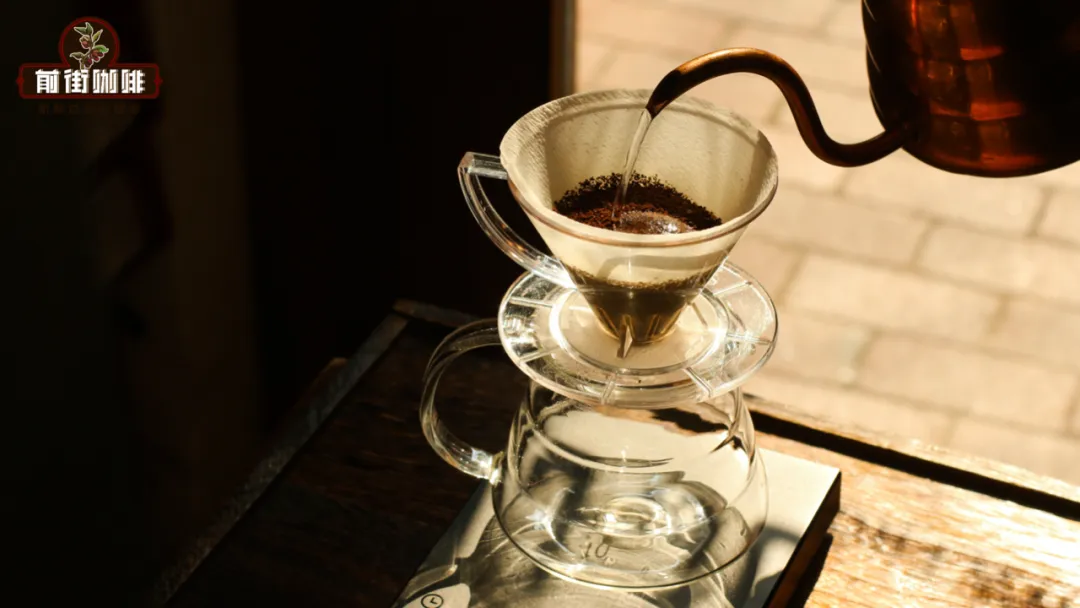
Many commonly found bottled water brands at home, such as Nongfu Spring, though widely praised, are actually natural mineral waters. Their hardness and mineral composition can vary depending on the source. Generally, the total hardness of Nongfu Spring typically falls withinthe 100–200 ppm range, placing it in the moderately soft category of mineral water. It is acceptable for pour over or extracting most coffee beans, but it is still recommended to experiment and fine-tune according to personal taste preferences. If you prefer a softer and smoother profile, choose filtered water or softened water with lower hardness; if you enjoy a brighter and slightly sweeter flavor, then water with medium hardness is more suitable.
For making Americano, the choice of water during the dilution stage is equally important. It is recommended to use filtered, impurity-free, and neutral-tasting water, avoiding tap water sources that may carry residual chlorine or off-odors. If conditions allow, options such as household water filters, RO reverse osmosis filtered water, or bottled water with hardness controlled within80–150 ppmcan help highlight the coffee’s inherent aroma and acid-sweet balance, resulting in a more refreshing and layered Americano.
In summary, the role of water in coffee preparation is far from being just a solvent—it is one of the core elements that influence flavor and mouthfeel. Understanding water hardness and the function of its minerals can help you more precisely adjust extraction and dilution strategies. Whether you’re pour over brewing or making Americano, you can find the most suitable water source based on your personal preference. Remember, there is no absolutely “best” water—only water that is “most suitable for your taste.”

The above content is compiled by CoffeeHunters, a coffee news website.


