







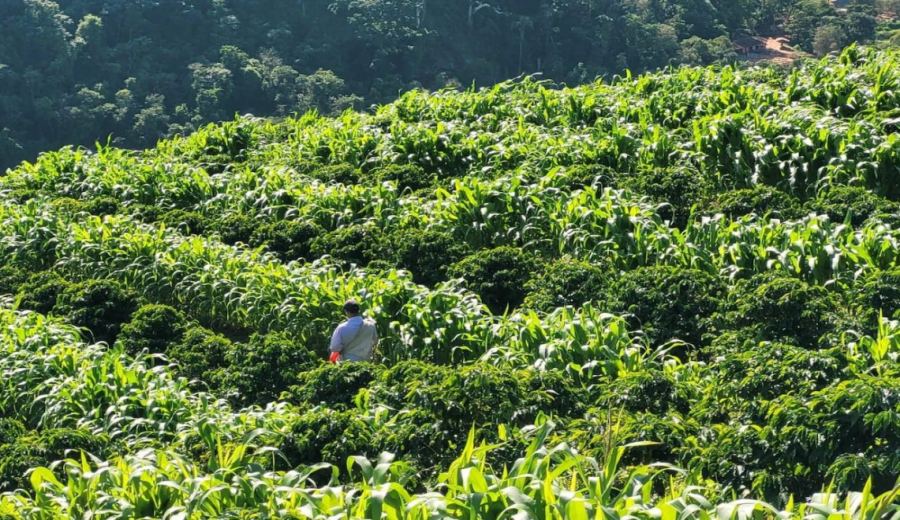
Introduction:Brazil is the world's largest coffee-producing country, with its beans characterized by nutty and chocolatey flavors that are stable yet somewhat one-dimensional. This article delves into two representative Brazilian specialty coffees—Cerrado Red Bourbon and Fazenda Rainha Yellow Bourbon—exploring their origin altitudes, variety traits, processing methods, and Brazil’s unique grading system to uncover the origins of their nutty profiles. Practical pour over suggestions and extraction parameters are also included, making it ideal for coffee enthusiasts seeking clear flavors and everyday drinking options.
When it comes to global coffee production, Brazil is undoubtedly number one. This South American country is not only a major exporter of commercial-grade beans but also actively promotes specialty coffee development through the COE (Cup of Excellence) competition. However, only two Brazilian regional coffees are currently selected for listing, and there is a reason behind this. Although Brazilian coffee boasts a clear flavor profile and high stability, it also tends to have a relatively concentrated flavor spectrum and lacks diversity. The goal is to highlight the most representative flavor characteristics of each region through careful selection, which is why two bean varieties that showcase the essence of Brazilian coffee—Cerrado Red Bourbon and Fazenda Rainha Yellow Bourbon—have been chosen, allowing enthusiasts to deeply appreciate the charm of Brazil’s nutty notes.
Cerrado Red Bourbon: Nutty & Chocolatey Notes from the Plateau
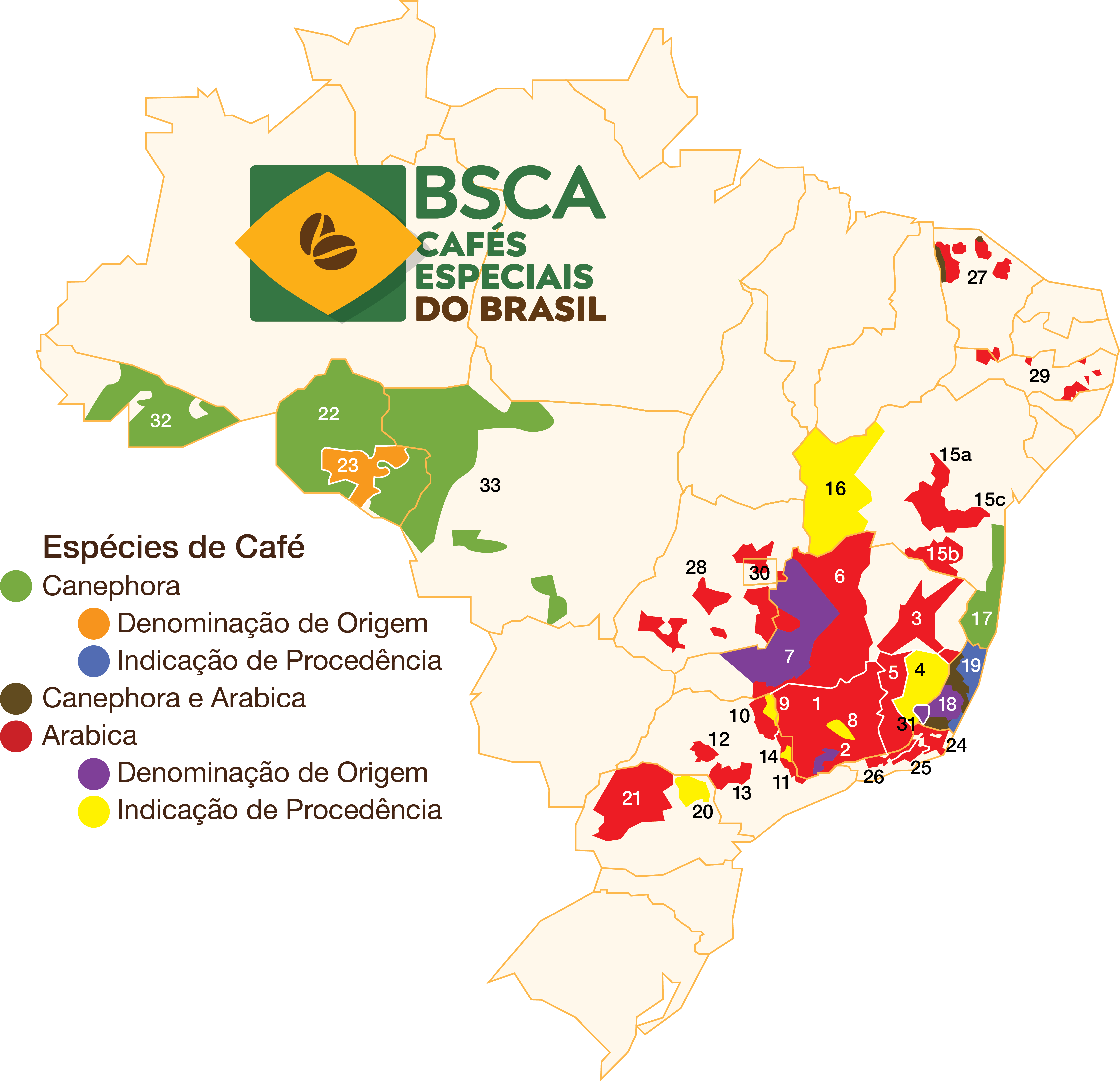
This bean hails from the South Minas region in the state of Minas Gerais, Brazil, which is part of the Cerrado area. Cerrado is located in the western part of Minas Gerais, a flat plateau situated at an altitude of approximately 750 to 1200 meters, with a dry and stable climate that is very suitable for coffee cultivation. The South Minas region features a hilly terrain, with elevations ranging between 700 and 1200 meters. Since 1999, the majority of winning farms in Brazil’s Cup of Excellence have been located in this area, demonstrating its terroir potential. Choosing a red bourbon variety from this region for a daily drinker bean emphasizes a stable and distinctive flavor performance.
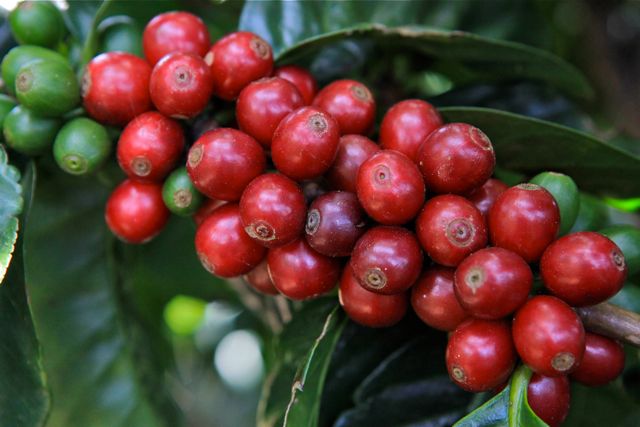
Red bourbon is one of the most common bourbon varieties, with ripe cherries appearing wine-red and beans being slightly rounder. Red bourbon grown in high-altitude environments often exhibits richer aromatic layers and brighter acidity, occasionally with a red wine-like aftertaste. However, the reason why this Cerrado red bourbon showcases intense nutty, creamy, peanut, and caramel notes is closely related to thePulped Natural processing methodused.
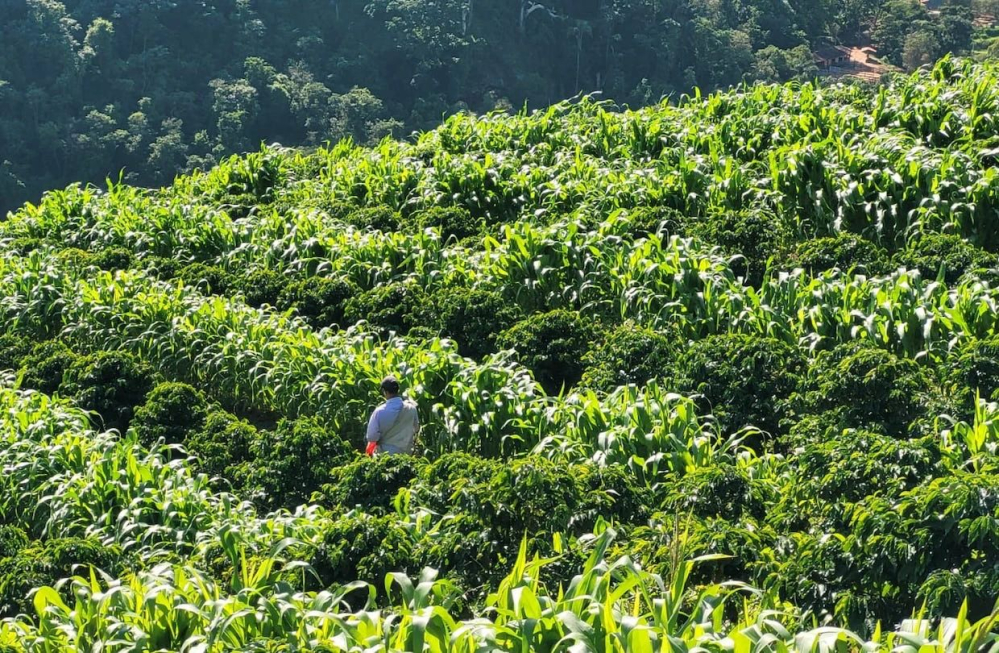
The Pulped Natural method is an innovative processing technique developed in Brazil in the late 1990s, primarily to address the issue of mold susceptibility during traditional sun-drying. This method removes the coffee cherry’s skin and pulp but retains the mucilage layer, then undergoes moderate fermentation and drying under the sun—without the water tank fermentation and washing used in the washed process. As a result, it shortens processing time and reduces risks. Additionally, it increases the likelihood of removing underripe beans, leading to more consistent bean ripeness and cleaner, more uniform flavors.
It is worth noting that the Pulped Natural method is not mainstream in Cerrado, but this particular bean deliberately employs this technique to achieve better flavor concentration and minimize external environmental influences. Compared to traditional sun-drying, Pulped Natural highlights sweetness and a nutty core, delivering a smooth and mellow mouthfeel for pour over brewing.
Fazenda Rainha Yellow Bourbon: Sweetness Highlighted by High-Altitude Sun-Dried Refinement
The second coffee introduced is the Fazenda Rainha Yellow Bourbon from the Mogiana region of Brazil. This region is geographically close to the southern part of Minas Gerais, featuring a terrain of hills covered with shrubs and grass, at altitudes ranging from 1400 to 1950 meters—one of the few high-altitude coffee-growing belts in Brazil. The local growing environment combines natural vegetation with modern agronomic management, with some family-run smallholder farms and others being small-scale modern farms, all maintaining relatively strict overall quality control.
Yellow bourbon is a rarer variety within the bourbon family, with fruits ripening to a yellow color rather than red. This variety was first discovered in Brazil in the 1930s and is believed to have evolved possibly from a cross between red-fruited bourbon and a yellow-varietal typica known as ‘Amerelo de Botocatu’. Yellow bourbon typically yields lower and demands stricter climatic and management conditions, but under high-altitude conditions, it can exhibit extremely soft, delicate sweetness and a rich mouthfeel.
Fazenda Rainha insists on usingthe refined sun-drying process—that is, by retaining the full mucilage layer and strictly controlling temperature while turning the beans multiple times, allowing the coffee to fully ferment during drying. This brings out a unique cane sugar sweetness and a rich caramel finish. This method differs significantly from the previously common coarse, large-batch sun-drying in Brazil and is a key reason why the farm can consistently produce high-quality green beans.
The Secret Behind Brazilian Coffee Grading: Rigorous Quality Control from Defects to Cupping
When examining Brazilian green bean packaging, you’ll often see labels such as ‘Brazil NY.2 SC – 17/18 FC’, which represents Brazil’s unique three-tier grading system. Due to its vast territory and massive production, Brazilian coffee often requires blending to meet export needs, so quality control relies more on scientific cupping-based grading rather than the reputation of a single region or processing method.
Brazilian grading is mainly assessed from three aspects:
1. Defect Rate: Based on the number of defective beans per 300 grams of green coffee, using a ‘deduction system’ divided into seven grades from No.2 to No.8. No.2 is the market-recognized highest commercial grade (No.1 is extremely rare and supply is unstable, hence not listed as standard).
2. Bean Size: Screened using mesh sieves measured in 1/64-inch units, commonly ranging from 14 to 20 screens, with17/18 screensconsidered the highest grade, indicating plump, dense beans that help extract richer flavors.
3. Cupping Quality: Divided into various grades such as Fine Cup (FC) and Good Cup (GC), representing the overall performance of the coffee in terms of flavor, acidity, sweetness, and aftertaste.
In the past, Brazilian coffee was often criticized for prioritizing yield over quality, with instances of foreign matter contamination, leading to a poor international reputation. However, with the promotion of the COE competition and the establishment of the grading system, Brazilian specialty coffee has gradually shaken off the stereotype of being ‘low-quality beans’.
Practical Pour Over Recommendations and Parameter Settings
To fully appreciate the nutty and sweet profiles of these two Brazilian beans, the following pour over parameters are recommended:
• Dripper: KONO
• Coffee dose: 15 grams
• Water temperature: 90°C
• Grind size: Medium grind (approximately 70% passing through a #20 sieve)
• Coffee-to-water ratio: 1:15
Specific steps are as follows:
1. First, pour hot water equivalent to twice the coffee dose (about 30 grams) for blooming, for 30 seconds.
2. Then, pour water in small circles until the total weight reaches 125 grams, performing the first pour.
3. When the water level drops and is about to expose the coffee bed, continue pouring until 225 grams, keeping the total extraction time around 2 minutes.
This extraction method fully highlights the nutty, peanut, creamy, and chocolate layers of Cerrado Red Bourbon, as well as the caramel sweetness and cane sugar notes of Fazenda Rainha Yellow Bourbon—ideal for coffee lovers who enjoy stable everyday flavors and a smooth mouthfeel.
The above content is compiled by CoffeeHunters, a coffee news website.


