







Introduction:A Heytea store at Xi'an Dayuecheng was reported by a customer for unsanitary conditions in its operation area, sparking widespread discussion about hygiene management in chain tea beverage brands. This article delves into the incident, official responses, and explores common cleaning blind spots in tea shops, along with advice for consumers to protect themselves—helping you enjoy your drink with peace of mind.
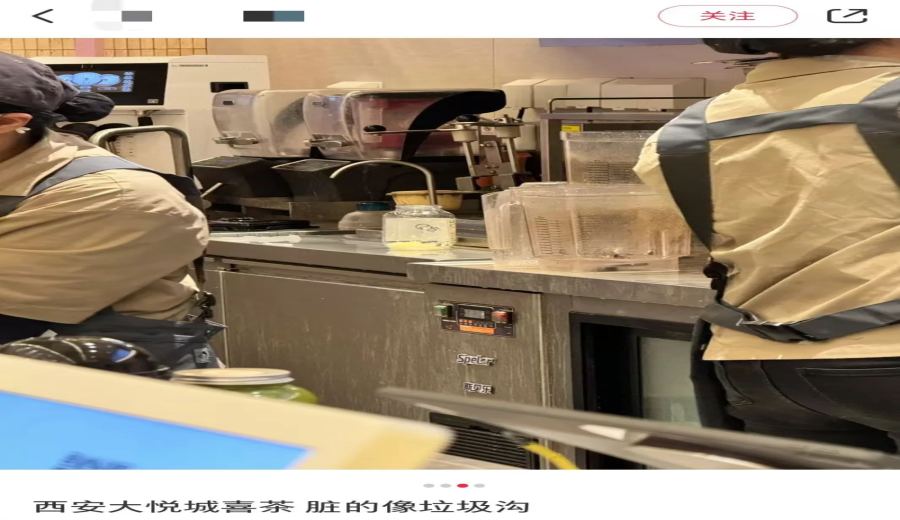
Recently, a Heytea outlet at Xi'an Dayuecheng was publicly reported by a customer for its poor environmental conditions in the preparation area, with related images quickly spreading on social media. According to the customer, she ordered a drink via an online platform and upon arriving to pick it up, found the counter, refrigeration equipment, and juicer covered in dried milk tea stains. The workspace even emitted a foul odor, allegedly a mix of rotten fabric and stale fruit, which was unbearable, leading her to cancel her order.
The on-site photos clearly show that multiple pieces of equipment—including the counter surface, refrigerator door, cabinets, smoothie machine, and tea extractor—are all stained with noticeable white milk tea residues. Especially under the tea extractor, traces of an unidentified liquid leak were visible, and some mechanical crevices had accumulated thick black grime, indicating long-term neglect in cleaning.
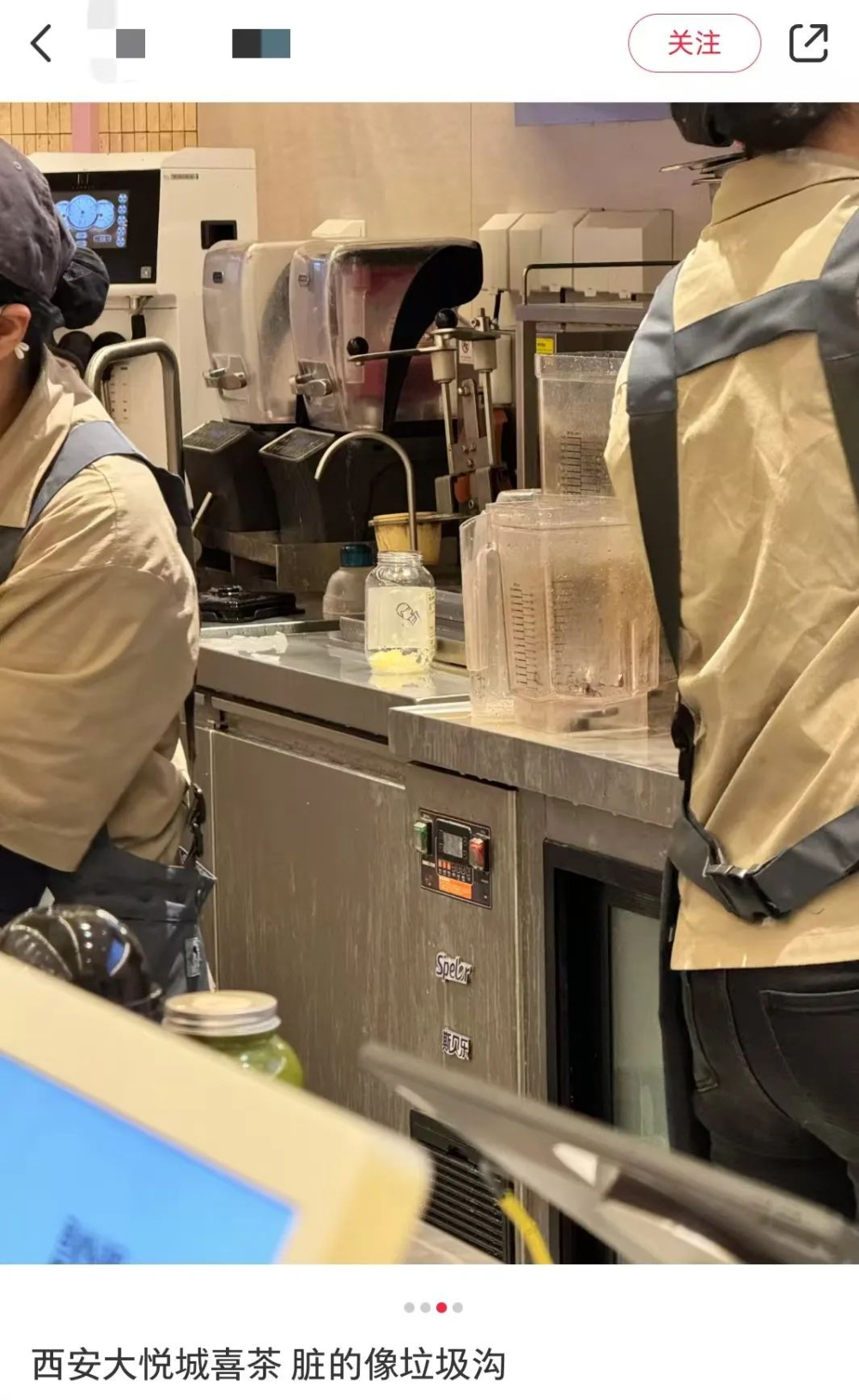
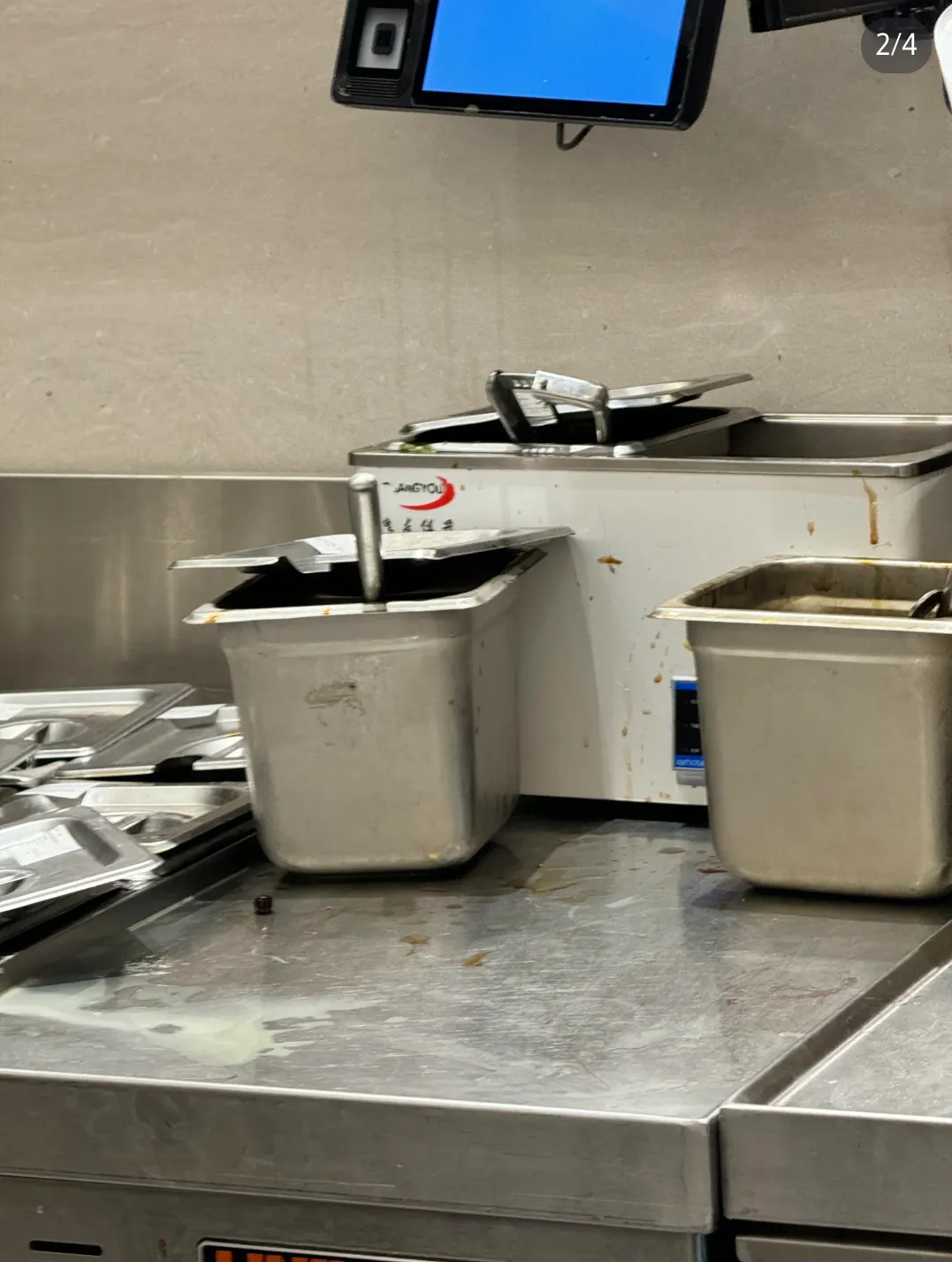
Another set of photos shows that several ingredient containers placed on the beverage station had juice residues on their outer surfaces, with some containers left uncovered, increasing the risk of foreign objects falling in or bacterial growth. Additionally, unwashed cloths and a metal topping basket with traces of brown sugar pearl syrup were found in the operation area, while staff continued to prepare drinks nearby, raising concerns about the store’s daily hygiene management.
Initially, many netizens speculated that this store might be a franchise, as company-owned stores are generally believed to have stricter quality control and hygiene standards. However, after verification through the mini-program, it was confirmed that the store is actually a company-operated Heytea location. This revelation shocked consumers even more and prompted a re-examination of the brand’s overall quality management processes.
Under public pressure, Heytea’s official team responded swiftly—not only issuing a public apology but also confirming that the store had been temporarily closed for rectification. They emphasized that they would comprehensively strengthen employee hygiene training and optimize operational standards. Currently, the store is marked as “temporarily closed” on the official ordering system and has suspended external operations.
Some netizens analyzed that the store is located in a busy commercial area with high foot traffic, and under the pressure of a large number of orders, employees may struggle to maintain cleanliness if they lack adequate support or cleaning time. However, other observers pointed out that the dirt in the photos clearly wasn’t accumulated in just one day, appearing to be the result of long-term neglect, suggesting that the store may have had systemic management flaws all along.
This incident has once again drawn public attention to the hygiene oversight of chain tea beverage brands. Experts suggest that when purchasing freshly made drinks, consumers should not only pay attention to taste but also observe the overall cleanliness of the shop—such as whether the counter is tidy, whether employees regularly clean the workspace, or even prioritize stores that offer transparent preparation processes or open kitchens to enhance drinking confidence.
In summary, hygiene issues are not just the responsibility of a single store, but a core management challenge that the entire chain brand must continuously strengthen amid rapid expansion. For consumers, staying vigilant and choosing reputable stores is the most effective way to reduce food safety risks.
The above content is compiled by CoffeeHunters, a coffee news website.


