







Introduction:The charm of pour over coffee lies in its bright and layered freshness, yet as the temperature drops, this delicacy often fades quickly. This article delves into the flavor retention limits of hot pour over coffee, analyzes the actual impact of thermos storage on coffee quality, and through scientific principles and empirical data, helps you grasp the critical window from brewing to optimal drinking time—ensuring every cup is enjoyed at its best.
A freshly brewed pour over coffee often presents a rich aroma and smooth mouthfeel upon the first sip, but as the temperature gradually decreases, the once-vibrant flavor layers slowly diminish, and even unpleasant sharpness may emerge. This phenomenon isn’t merely subjective perception but is closely related to the human tongue’s sensitivity to temperature and the continuous loss of volatile aromatic compounds in coffee.
So, how soon after brewing should pour over coffee be consumed to experience its fullest flavor? And can pouring it into an insulated container effectively slow down flavor degradation? This article explores the reasons behind coffee quality changes as it cools from a scientific perspective, and with practical testing, provides useful storage recommendations.
Many coffee enthusiasts have had similar experiences: freshly brewed coffee not only emits an inviting aroma but also tastes round and balanced. However, as time passes—especially when the temperature drops noticeably—the overall performance of the coffee declines significantly: the aroma becomes dull, and the taste may turn harsh. This “flavor fading” process actually reflects the rapid loss of volatile compounds in the coffee.
Most of the flavor components in coffee are volatile substances. From the moment of roasting, these compounds that give coffee its unique aroma continuously dissipate. After grinding and high-temperature brewing, the rate of volatilization increases dramatically. That’s why freshly brewed coffee delivers the most robust aroma, and as time and temperature change, these precious aromatic molecules gradually disappear, resulting in noticeably inferior final flavors.
Beyond aroma loss, the effect of temperature on taste bud perception is also a key factor. The human sensitivity to basic tastes—such as sour, sweet, bitter, salty, and umami—varies with temperature. When coffee cools, the stimulation signals received by the taste buds also change, further affecting the overall flavor presentation. Coupled with the ongoing loss of aroma, coffee left standing for a while naturally struggles to maintain its initial allure.
To address this challenge, a thermos with good insulation and sealing properties can theoretically delay flavor degradation on two fronts: slowing the cooling rate of the coffee through insulation, and reducing the volatilization rate of aromatic substances via its sealed structure. Based on this principle, storing pour over coffee in a suitable thermos may indeed extend its “optimal drinking window.”
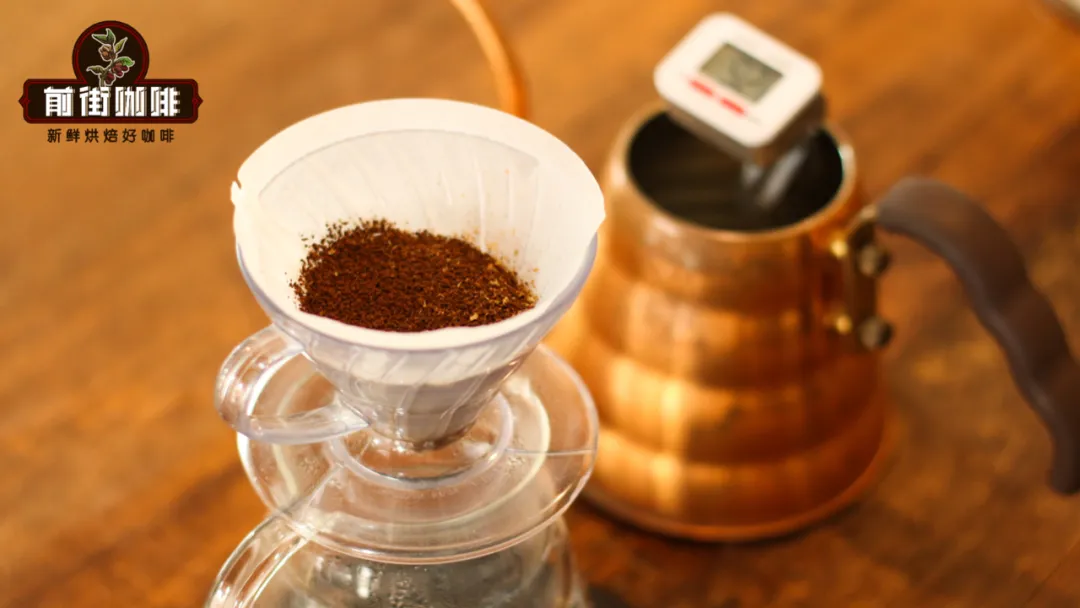
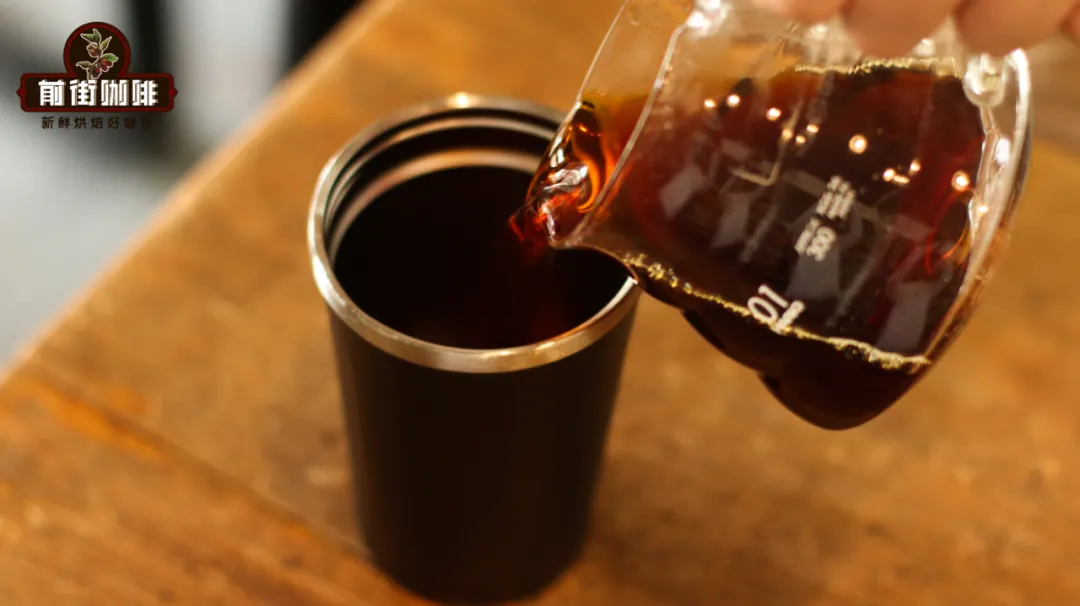
To test this hypothesis, this experiment specifically used a professional thermos advertised to retain heat for up to 12 hours. During the procedure, all utensils that might come into contact with the coffee were preheated to minimize additional temperature loss caused by heat absorption from the equipment—ensuring the test results more accurately reflect real-world usage scenarios.
The above content is compiled by CoffeeHunters, a coffee news website.


