







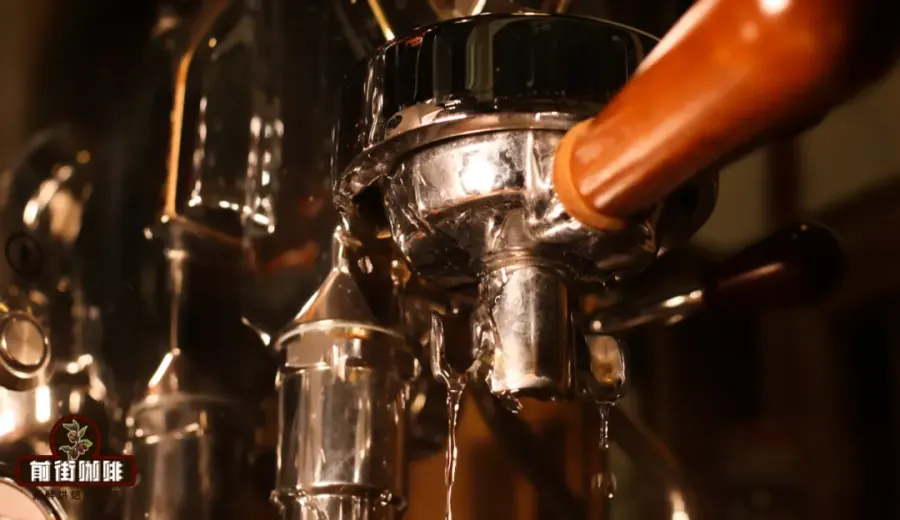
Introduction:When an espresso machine leaks during the extraction of espresso, it’s a common issue faced by many baristas and coffee enthusiasts. This type of "bypass water" not only dilutes the coffee concentration, interfering with the assessment of extraction results, but may also affect the establishment of brewing pressure, leading to unstable extraction. This article delves into the causes of leakage, the mechanism behind bypass water formation, and its actual impact on espresso quality, helping you troubleshoot from the root and improve extraction consistency.
During the operation of an espresso machine to extract espresso, if water is observed seeping from unexpected parts of the machine, this is typically referred to as a "leak." From the perspective of how the machine works, the water used for extraction should be entirely contained within the machine, only passing through the coffee puck under pressure to form the espresso liquid. However, once there is any tiny gap or poor seal in this sealed system, water will find a path of lower pressure to escape, resulting in what we call bypass water.
The appearance of such bypass water is often not immediately noticeable, but its impact on the extraction result should not be underestimated.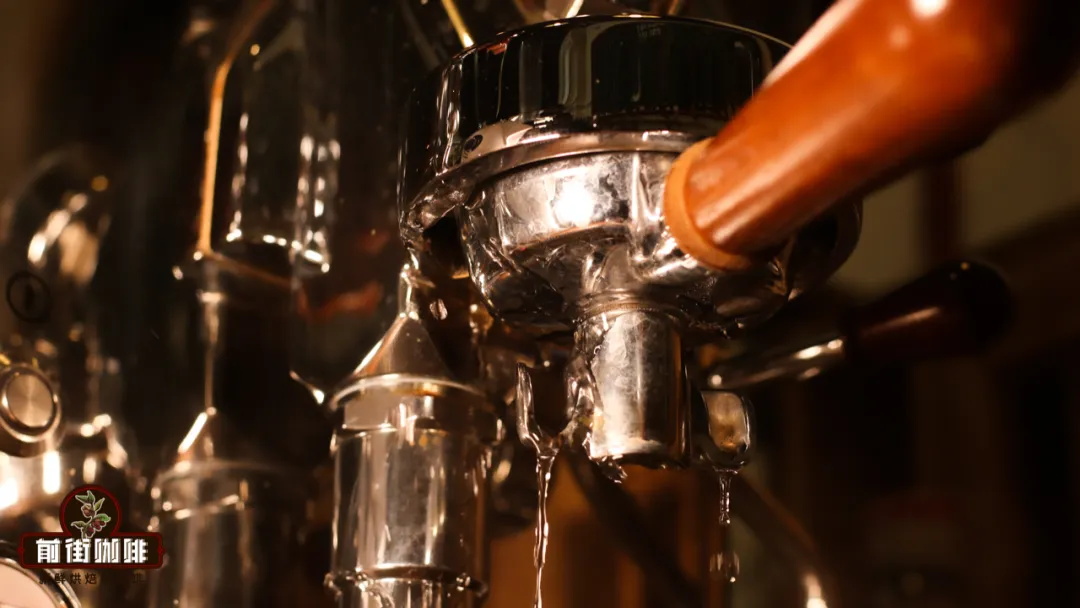 When bypass water mixes into the final coffee liquid, it directly dilutes the overall concentration, making the intended flavor profile appear flat, and may even lead you to misjudge whether the grind size, tamping, or pressure settings are appropriate.
In addition, if multiple areas of the machine have leaks or poor seals, it will prevent the entire system from building up sufficient brewing pressure. As everyone knows, ideal espresso extraction usually requires 9 to 10 bars of pressure to effectively extract the flavor compounds from the coffee. But if the pressure dissipates due to leakage before it can fully take effect, it not only affects extraction efficiency but may also result in a coffee that tastes weak and lacks complexity.
So, what exactly are the reasons behind leaks and bypass water when using an espresso machine for extraction? Common causes include uneven tamping of the coffee puck, worn gaskets in the portafilter handle, incomplete sealing between the group head and the portafilter, or even aging internal tubing or failed gaskets within the machine.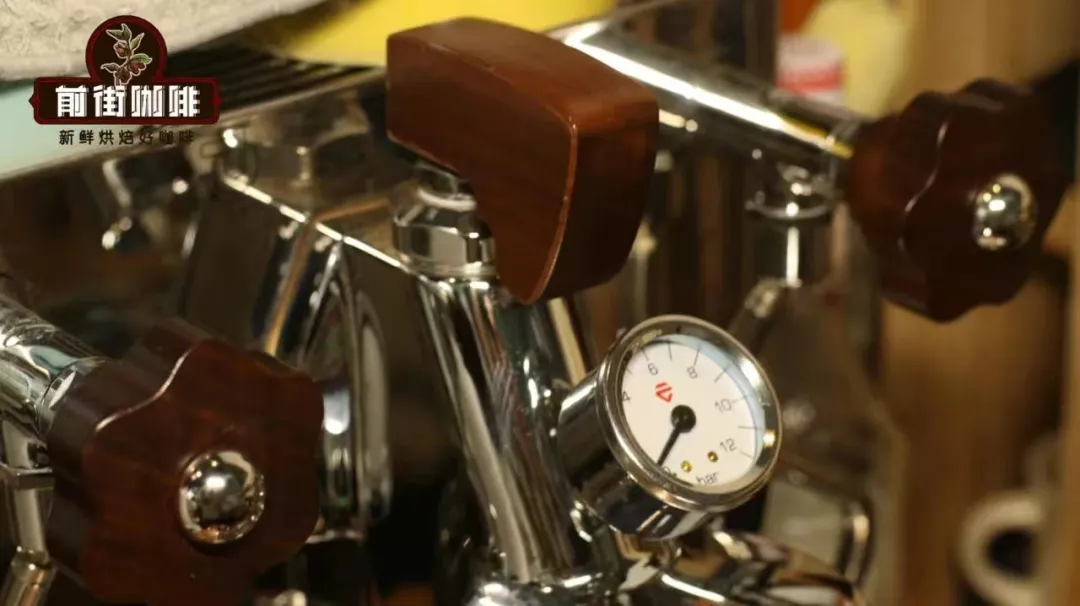 These issues, though seemingly minor, are enough to allow the water flow during extraction to find a "bypass," thereby affecting the final coffee quality.
For users who frequently use home or semi-professional machines, regularly checking the gaskets on the group head and ensuring that the portafilter is tightly attached to the machine before each extraction are basic steps to prevent leaks.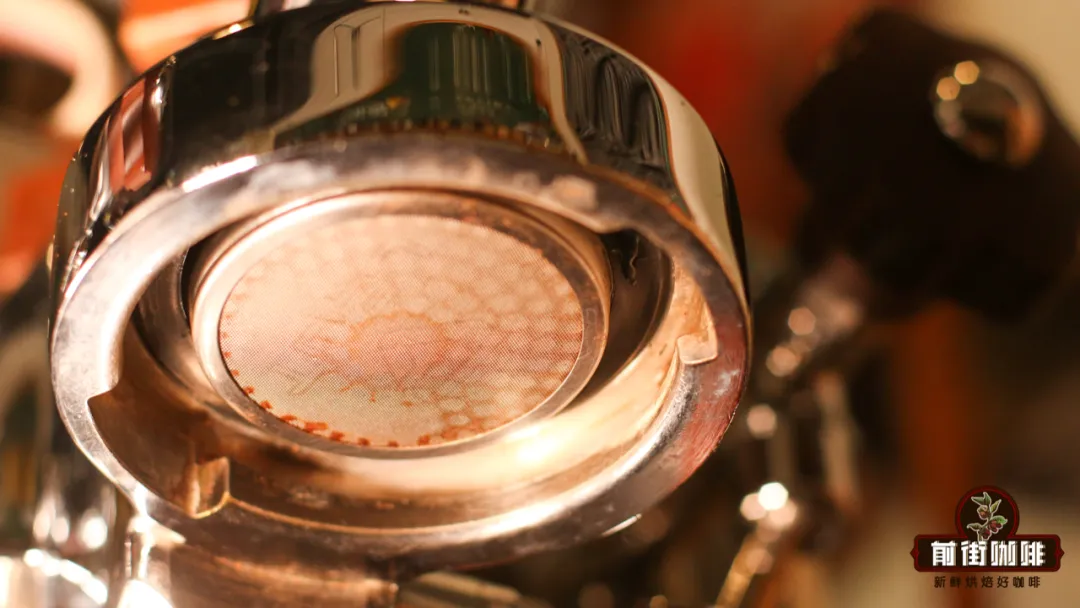 In addition, when tamping the coffee grounds, consistent pressure and an even coffee bed surface should be maintained to avoid a loose puck structure or localized channels, which can cause uneven pressure distribution and result in leaks.
In some cases, the leak problem may stem from more internal components, such as aging gaskets around the pressure valve, drain pipe, or pump.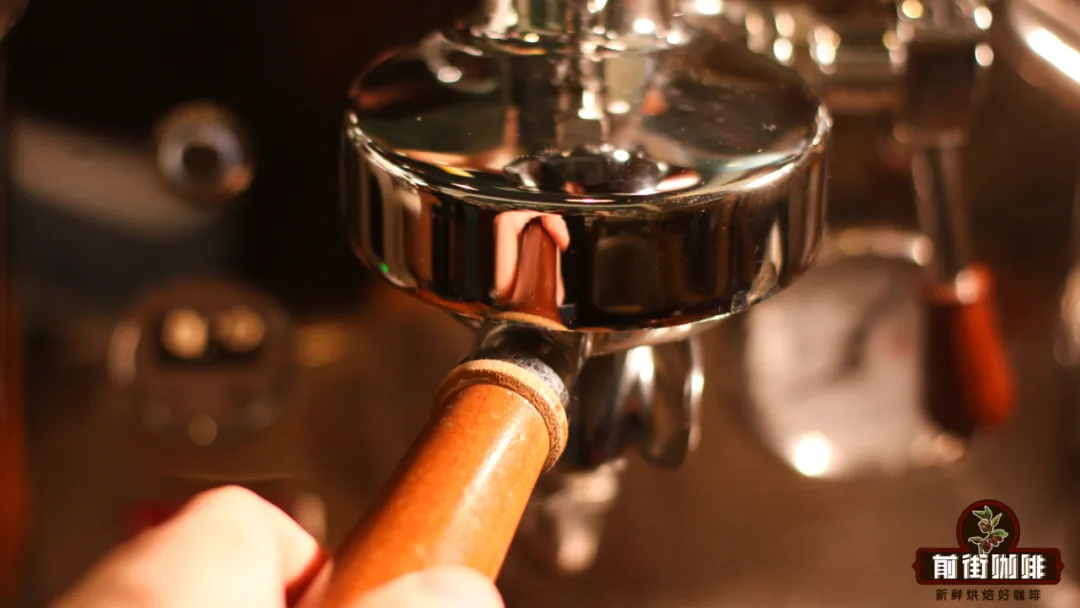 Such problems usually require a professional technician to disassemble and replace the parts, but users can still make a preliminary judgment about the scope of the issue by observing the location and timing of the leaks, and then seek appropriate repair solutions.
Reminder: if you often notice unexplained water appearing during or after extraction, be sure to stop and check the machine’s various joints and sealing conditions. Don’t overlook these "small leaks." They not only dilute the carefully brewed espresso you’ve prepared, but can also make it difficult to maintain stable extraction parameters, affecting the consistency of every cup of coffee produced.
In summary, the issues of leaks and bypass water during espresso extraction with an espresso machine involve multiple factors including machine sealing, puck structure, and pressure management.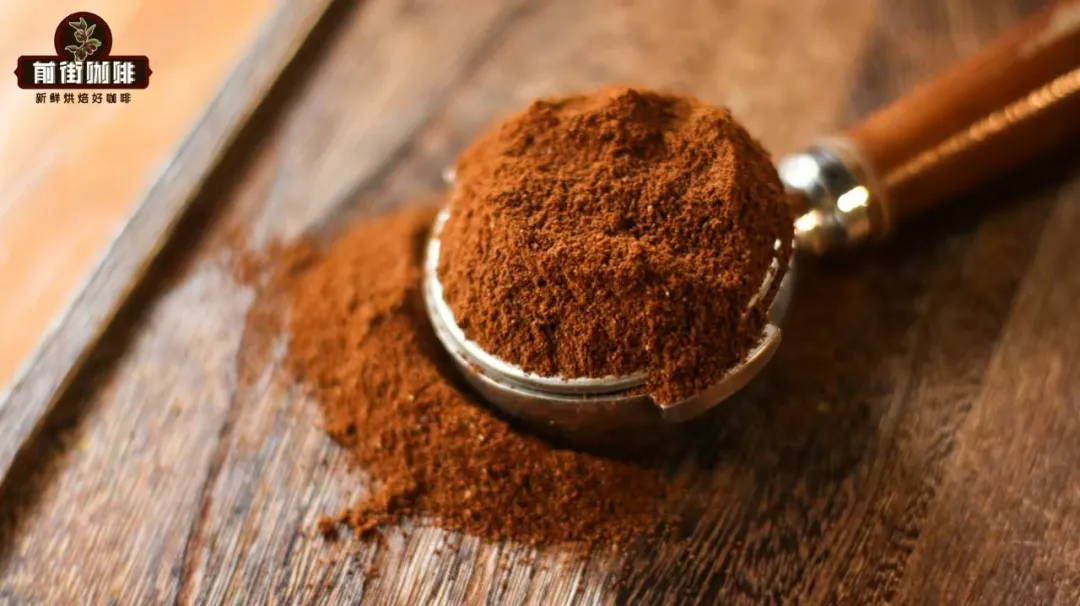 Only by fundamentally understanding these mechanisms can you effectively troubleshoot the problems, ensuring that every cup of espresso is made under ideal extraction conditions, showcasing the most authentic and rich flavor profile.
The above content is compiled by CoffeeHunters, a coffee news website.


