







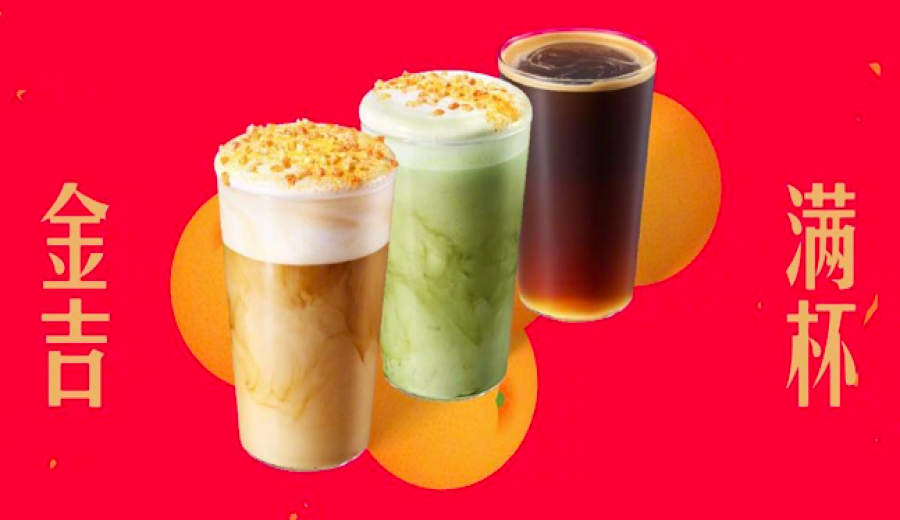
Introduction:Starbucks has launched a new series of Lunar New Year beverages — Tangerine Cloud Latte, Tieguanyin Tea Latte with Tangerine Flavor, and Tangerine Flavored Americano. Themed around “prosperity in a tangerine” (大桔大利), these drinks aim to attract customers. However, especially the Tangerine Flavored Americano, they have received a wave of negative feedback on social media, with descriptions ranging from “tasting like cold medicine” to “herbal medicine flavor.” This article takes an in-depth look at real consumer reactions, explores the challenges Starbucks faces with this localization effort, and offers suggestions on how to choose and enjoy these drinks.
As Lunar New Year approaches, Starbucks has introduced three limited-edition festive drinks — Tangerine Cloud Latte, Tieguanyin Tea Latte with Tangerine Flavor, and Tangerine Flavored Americano — hoping the symbolic meaning of tangerines (prosperity) will draw in customers. These beverages quickly became a hot topic, particularly the Tangerine Flavored Americano, which sparked considerable debate online.
Many consumers had expected the Tangerine Flavored Americano to deliver a refreshing citrus taste, but the actual experience fell short of expectations. Numerous netizens shared their thoughts after trying it, describing it as “like cough syrup,” “with a strong herbal medicine flavor,” or even reminiscent of “fever-reducing sachets from childhood.” Some comments went as far as saying it tasted “like gasoline mixed with essential oil and cough syrup.” Though exaggerated, these comparisons reflect widespread disappointment with the flavor.
Some customers who had been looking forward to the new release had hoped the Tangerine Flavored Americano would resemble Luckin Coffee’s Orange C Americano — with a bright, citrusy profile. But after the first sip, they found the taste “bitter, and neither sweet nor sour,” entirely missing the expected citrus freshness. One comment bluntly described the drink as “weird,” while others joked it might be a collaboration with a pharmaceutical company, since even with an added pump of syrup, it still had “a faint, melancholic taste of cold medicine.”
Notably, some customers attempted to improve the taste by paying an extra 1 RMB to upgrade to ristretto espresso, but this still failed to salvage the overall flavor imbalance. This suggests the issue isn’t solely with the coffee base, but rather with the formulation and overall flavor blending.
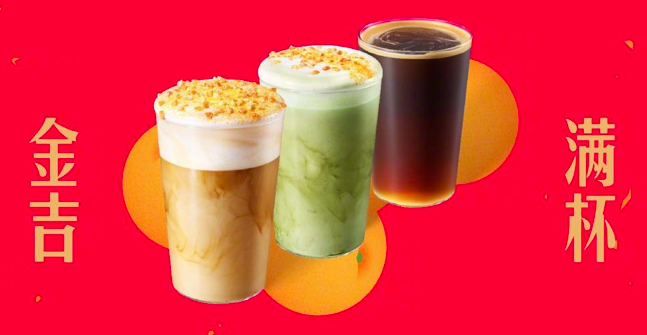
As for the other two drinks in the same series — Tangerine Cloud Latte and Tieguanyin Tea Latte with Tangerine Flavor — although they didn’t receive the same overwhelming negative reviews as the Tangerine Flavored Americano, feedback was generally lukewarm. Many customers said they tried them out of curiosity but wouldn’t buy them again, as they did not meet their expectations for a “citrus-flavored New Year special drink.”
In fact, this is not the first time Starbucks has experimented with localized holiday drinks featuring Chinese elements. In the past, they’ve released creative products like the Donkey Roll Thick Glutinous Rice Latte. Each launch captures market attention. However, despite their creativity, these “Chinese-style” drinks often struggle to gain widespread acclaim due to issues with flavor balancing or ingredient selection.
According to sources, the Tangerine series does not use freshly squeezed tangerine juice or jam, but rather tangerine-flavored syrup. Such syrups often contain heavy artificial flavoring components, which can produce a noticeably synthetic aroma — particularly for customers sensitive to smell — further detracting from the overall drinking experience.
Additionally, if customers opt for the iced version, uneven mixing or sedimentation of the syrup with the coffee or other bases may result in a disjointed flavor profile, creating a jarring mix of “sour and bitter” notes. This is one of the main reasons many find the iced Tangerine Americano particularly hard to accept.
In summary, while the Starbucks Lunar New Year Tangerine series has good intentions and aligns with the festive theme, there’s a clear gap between the actual flavor experience and consumer expectations. For those keen to try, it’s recommended to opt for the hot version first, and pay attention to the ratio of syrup to base to suit personal taste, avoiding issues caused by artificial flavors or poor integration.
The above content is compiled by CoffeeHunters, a coffee news website.


