







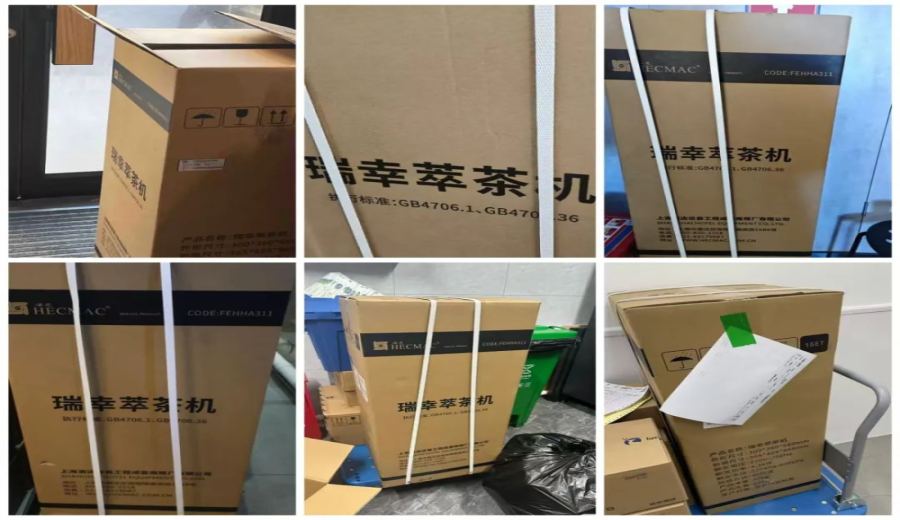
Introduction:Since December last year, Luckin Coffee has been piloting fresh-brewed tea machines in some of its stores in Guangzhou, aiming to replace tea powder with freshly brewed tea leaves to enhance the flavor and health profile of its Light Milk Tea series. However, this equipment, which was originally intended to improve quality, has become a mere display item on many store counters nationwide due to its complicated cleaning process and poor efficiency. This article delves into the challenges of using the tea brewing machine, real feedback from staff, and the gap between brand promotion and frontline execution.
Starting from December last year, Luckin Coffee introduced fresh-brewed tea machines in some stores in the Guangzhou area, attempting to replace traditional tea powder in Light Milk Tea drinks with freshly brewed tea. The goal was to elevate the flavor complexity of the beverages and meet consumers' demand for healthier drink options. However, this initiative—originally seen as an upgrade—was met with skepticism by frontline store employees during the testing phase, who described it as "all looks, no substance."
According to feedback from multiple employees, the tea brewing machine not only takes up valuable counter space but also involves a relatively complex operation. The machine can only brew one type of tea at a time, and requires separate disinfection and drying of the front and back sections, making it less efficient than traditional manual tea brewing. Some experienced staff even flat out said that hand-brewing is faster and simpler.
Despite doubts among frontline employees about the device’s practicality, Luckin continued to roll out the fresh-brewed tea machines nationwide. In some locations, engineering staff had already modified the counter wiring and reserved space for the machines before any clear usage guidelines were provided. As a result, once the new devices arrived, they could be quickly installed—but their actual usage often fell short of expectations.
From the perspective of actual staff use, the tea machines not only failed to boost work efficiency but became an added cleaning burden. Many stores wrapped the new machines in cling film and labeled them “Do Not Use,” leaving them sitting idle in a corner of the counter for long periods. Employees privately remarked, “This isn’t a helper—it’s just extra hassle,” with some joking, “How many more cleaning points (cleaning tasks) is this going to add?”
According to multiple on-site photos shared by staff, these sizable tea brewing machines are often heavily wrapped and placed within the operational area but rarely, if ever, used. Although the brand hoped to enhance tea consistency and freshness through fresh-brewing technology, the complex operation and high maintenance requirements of the equipment led most stores to simply ignore it.
Notably, due to differing regional management strategies, some stores were allowed to decide flexibly whether to use the tea machines based on order volume, or even temporarily store them in the warehouse; however, other stores were required to install and activate the machines immediately upon receipt. Even so, many staff revealed that they only turned the machines on at the start of their shift and off at the end, just to pass automated system checks—while still using traditional tea powder for actual drink preparation.
For high-volume stores processing thousands of orders daily, the fresh-brewed tea machines might provide a stable supply of tea during peak hours, reducing wait times. But for the majority of stores with ordinary daily order volumes, the machines not only fail to deliver tangible benefits but also add to cleaning and maintenance burdens, while further crowding already limited counter space.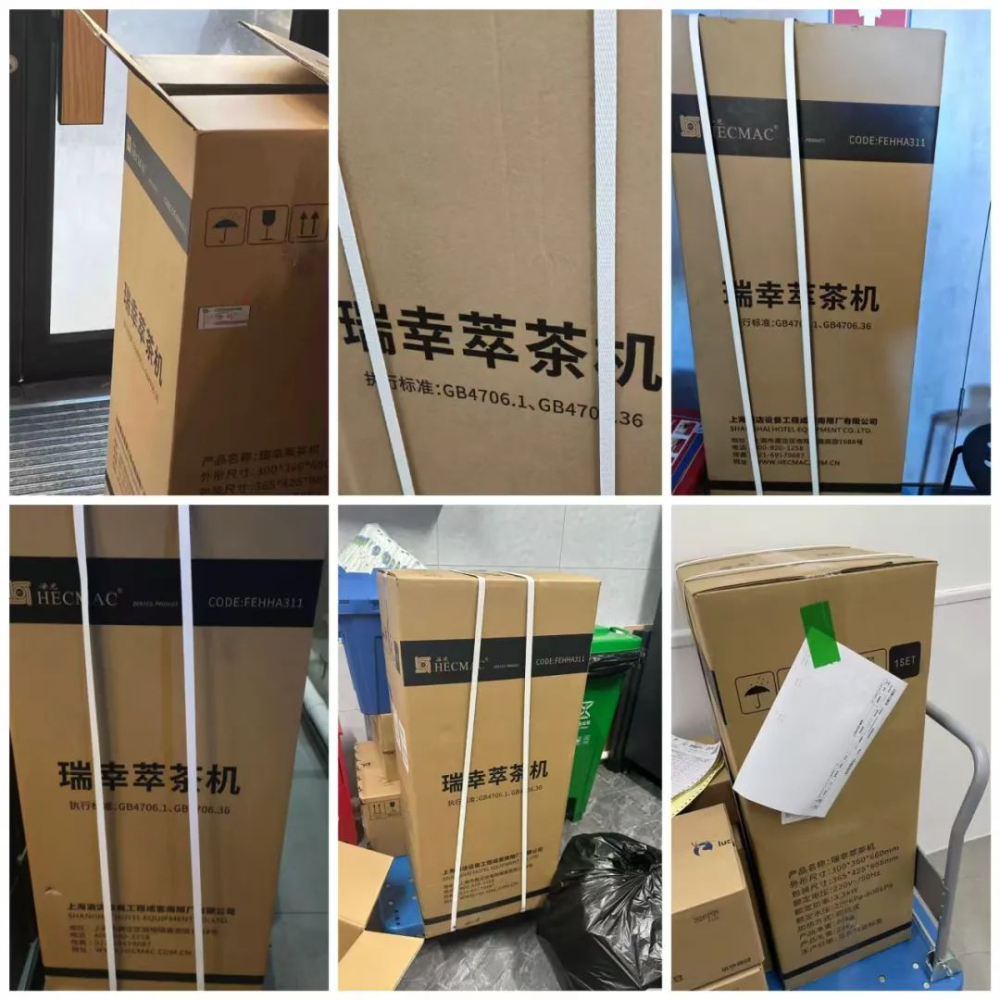
Taking into account both on-site feedback and real-world operational performance, Luckin’s strategy to promote fresh-brewed tea machines—though well-intentioned—is clearly facing a significant disconnect in execution. The brand’s clear aim to elevate product flavor is evident, but without fully considering the actual working environments of stores and the needs of frontline staff, it may ultimately result in more unused counter equipment and resigned coping from the staff.
The above content is compiled by CoffeeHunters, a coffee news website.


