







Introduction:Starbucks has recently adjusted its store operation policies in North America, fully implementing a new "consumption required to stay" rule, along with the introduction of a code of conduct to maintain a safe environment. What exactly are the specific changes in the new policy? How will they affect customers and staff? Will stores in China follow suit? This article takes you through the background of the policy, implementation details, and the differences between the two regions, offering practical information for reference.
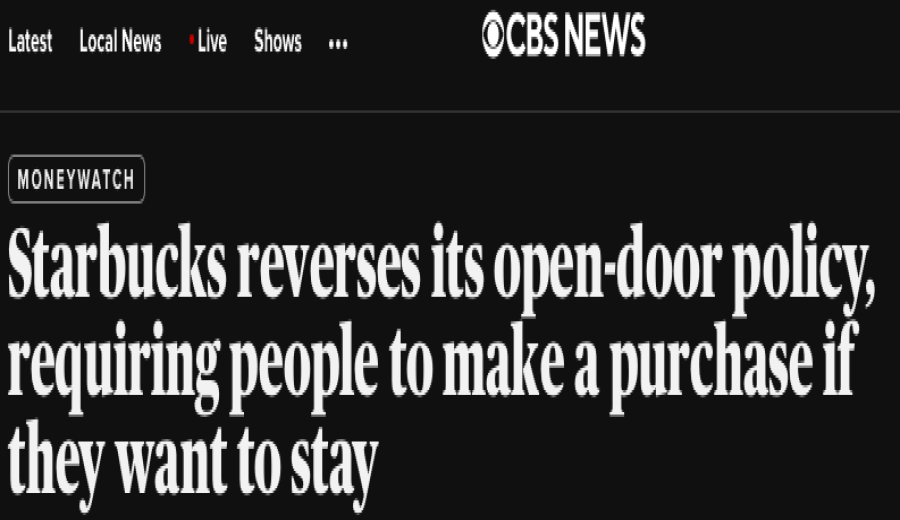
The globally renowned coffee chain Starbucks has recently launched major operational changes in North America, announcing the cancellation of its long-standing open-door policy that allowed non-paying customers to stay. The reform is accompanied by a new customer code of conduct, aiming to create a more friendly and safe shopping environment. The changes are set to officially take effect on January 27.
According to an official statement from Starbucks, after the new policy takes effect, baristas across all North American stores will receive specialized training to handle violations based on the new code of conduct, and they may ask non-paying or disruptive individuals to leave if necessary. This measure aims to address a range of longstanding issues arising from the unrestricted open-door policy, including customers occupying seats for extended periods, negatively impacting other consumers’ experiences, and even engaging in drug use or disruptive behavior that endangers public order.
Looking back at the catalyst for this policy shift, as early as 2018, Starbucks was embroiled in widespread public controversy after an incident in a Philadelphia store where two Black men who had not made a purchase were arrested for trespassing after being asked to leave. In an effort to quell the backlash, Starbucks decided to allow all customers—regardless of whether they made a purchase—to enter its stores and use facilities such as restrooms. While this move initially boosted the brand’s image and foot traffic, over time it gradually revealed underlying management risks.
In recent years, numerous safety incidents have been reported at North American stores, such as individuals using the open-door policy to smoke or use drugs in store restrooms, homeless people occupying seats or sofas as temporary shelters, and even outbreaks of violence and harassment. In 2022, Starbucks shut down 16 stores in the United States due to repeatedly occurring similar issues, with six closures each in Los Angeles and Seattle, primarily due to difficulties in managing in-store safety.
To thoroughly improve the current situation, Starbucks has decided to terminate the old policy of “allowing anyone unrestricted access to shared spaces,” repositioning its stores as “community coffee shops primarily for paying customers.” The new code of conduct explicitly prohibits a number of behaviors, including harassment, violent altercations, outdoor drinking, smoking, and begging. Notices outlining these rules will be prominently displayed in all North American stores starting January 27 to ensure customers are aware of the regulations.
Notably, Starbucks emphasizes that store employees will receive comprehensive training, and in the future, if customers violate the code of conduct, baristas will have the authority to ask them to leave—an explicit power not clearly granted under the old policy. In serious cases, stores can also seek assistance from local law enforcement to handle the situation, thereby strengthening the safety management mechanism.
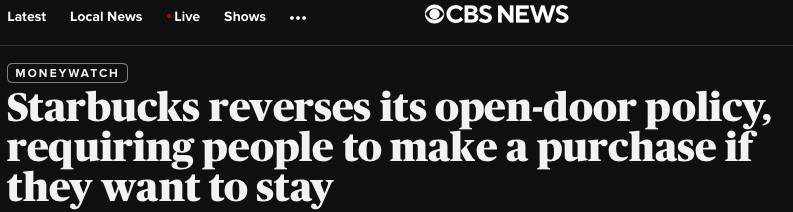
As for the current situation in China, local stores have not yet adopted the North American new policy. According to inquiries by Chinese media, Starbucks China’s official customer service stated that domestic stores continue to maintain their original flexible management approach, with individual outlets making case-by-case judgments based on on-site conditions regarding whether to allow non-paying customers to stay. While most stores ideally prefer that customers make a purchase before using seating, if there is ample seating available, they generally do not actively ask non-paying individuals who are only briefly staying or using the restroom to leave.
However, when seating is in high demand and paying customers need it, store staff usually negotiate with non-paying individuals, suggesting they make a purchase to continue using the seat or offering priority to those with purchasing needs. This flexible approach maintains basic service quality while also accommodating the needs of different customers. Currently, there is no nationwide mandatory “no loitering without purchase” policy.
The above content is compiled by CoffeeHunters, a coffee news website.


