







Introduction:When making pour over coffee, have you ever wondered why some baristas add extra water to the filter cone after the dripping is complete? This technique is called "by pass" and is primarily used to adjust coffee concentration and flavor, as well as to address extraction issues such as over-extraction or pooling at the end of the brew. This article will delve into the principles, proper usage, and emergency troubleshooting tips for by pass water, helping you master the finer details of pour over brewing more precisely and improve your extraction quality.
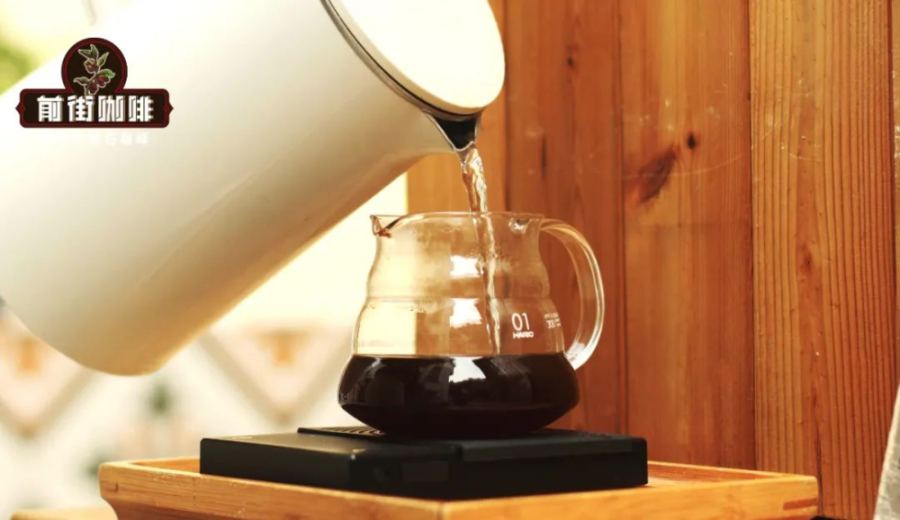
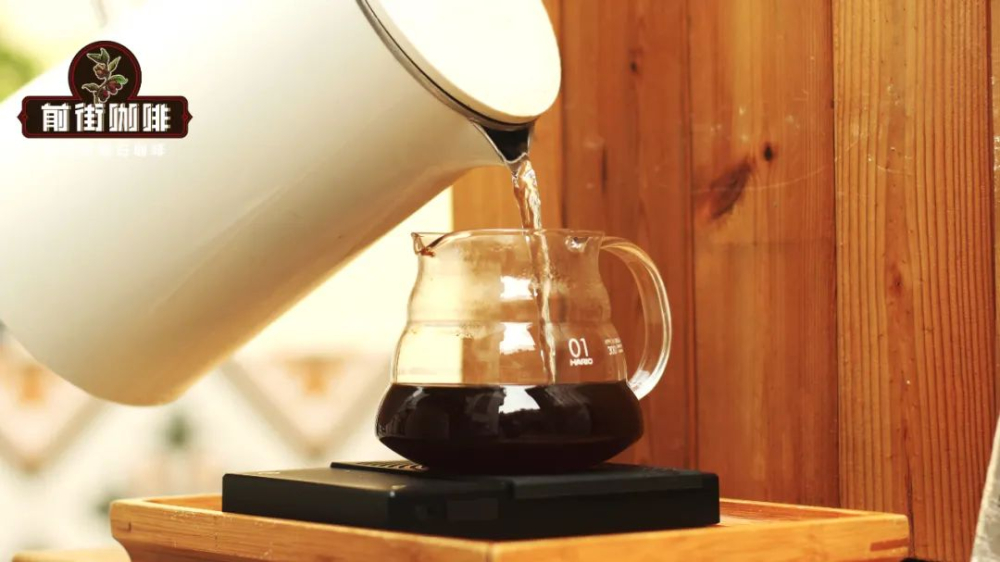
During the pour over process, you may have noticed a barista pouring additional water into the filter cone after the normal pouring is done. This seemingly simple action is actually a common and practical technique known as "by pass". Through this method, the concentration and overall flavor profile of the coffee can be adjusted, and it can also effectively rescue small mistakes that occur during extraction.
Simply put, the pour over coffee we usually refer to involves pouring hot water directly onto coffee grounds, extracting soluble substances through the filter paper—this process is called the "main route". Bypass water, on the other hand, is water added after the main extraction is completed. This water does not participate in extraction but instead dilutes the already extracted coffee liquid, thereby adjusting the overall intensity and balance of the flavors.
So, when is it necessary to use bypass water? For example, if you find that the brewed coffee is too strong, heavy-bodied, or shows obvious signs of over-extraction such as woody, bitter, or even throat-catching flavors, you might consider adding an appropriate amount of bypass water to dilute it. Additionally, bypass water is often used when making Americano or iced pour over, serving as a key method for adjusting concentration.
For instance, an Americano is typically made by using espresso as a base, then adding hot water or ice to adjust the strength—the hot water or cold water added here is a form of bypass. Similarly, in iced pour over, many baristas first extract the coffee at a high concentration with hot water, then add ice to cool and dilute it, where the volume taken up by the ice actually also counts as non-extracted bypass water.
Beyond adjusting concentration, bypass water can also help mitigate the risk of over-extraction. For example, during brewing, if you notice that the flow rate slows down in the final stage and water tends to pool, it could be due to fine particles clogging the filter paper, leading to prolonged extraction time and the release of more bitterness and off-flavors. In such cases, stopping the main extraction early and diluting with bypass water can effectively improve the final flavor and avoid unpleasant tastes caused by over-extraction.
It’s worth noting that the temperature of bypass water also matters. Generally, if the coffee is close to room temperature, it is recommended to use hot water at 75–80°C as bypass water to avoid significant cooling that might affect the overall flavor presentation. If the original coffee temperature is still acceptable, or if you're making an iced pour over, you can also choose room-temperature water or ice as part of the bypass.
When facing sudden issues during extraction—such as pooling in the final stage due to excessive fines, flavor confusion from over-soaking, or an overall brew that is too strong and lacks layers—bypass water can serve as an immediate remedy. However, before using bypass water, it’s advised to taste the original brew first to determine whether dilution is truly needed and roughly how much water should be added. It’s recommended to add water in small increments (about 5–10 grams) gradually, tasting as you go, until the desired flavor is achieved.
In summary, bypass water is a flexible and practical tool for adjusting pour over coffee, enabling baristas or enthusiasts to react and fine-tune in various brewing situations. However, the more crucial aspect is still to control various parameters well in the early stages of brewing—such as grind size, water temperature, pouring technique, and timing—to reduce the likelihood of over-extraction or flavor imbalance at the source. While relying on bypass water can provide a quick fix, achieving consistently high-quality coffee ultimately comes down to mastering the fundamentals.
The above content is compiled by CoffeeHunters, a coffee news website.


